Building Disaster-Resilient Tourist Destinations: A Record of the Seminar Co-hosted by Oyo Geology and JTB Tourism Research & Consulting (Held on July 13)

As natural disasters become more frequent and severe, what preparations are necessary to ensure the sustainability of the tourism industry and build “disaster-resilient tourist destinations”?A discussion was held with Koichiro Tsuruta, President and CEO of Tsuruta Hotel Co., Ltd. and Director of the NPO Hatto Onpaku; Ko Kamata, Representative Director of the Tourism Crisis Management Research Institute; Yasunori Hata, Associate Professor at Yamanashi University Graduate School; and Naoki Nakamura of the Co-Creation Lab at Oyo Geology Co., Ltd., who shared perspectives from the fields of local government, academia, and industry.
1. Estimated Impact of the "Fukkou-Wari" Discount Program Following the Kumamoto and Oita Earthquakes
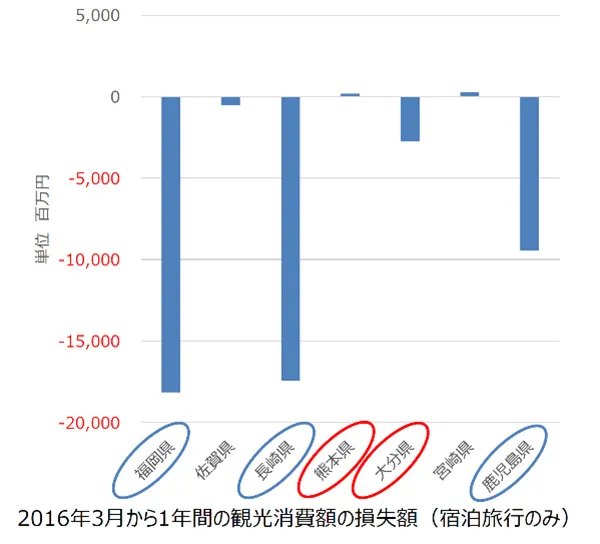
A quantitative analysis of the impact of the earthquakes on the tourism industry revealed that in Fukuoka, Nagasaki, and Kagoshima Prefectures—where direct damage from the earthquakes was minor—the impact on tourism demand was significant. Conversely, in Kumamoto and Oita Prefectures, where damage was severe and the total amount of the "Fukkou-wari" discount and the discount rate were high, the impact on tourism was found to be minimal.
2. Overview of the Panel Discussion
Based on the above data, participants discussed key points for future efforts to “build disaster-resilient tourist destinations” from the perspectives of industry, government, and academia. The panelists were as follows (Moderator: Kono).
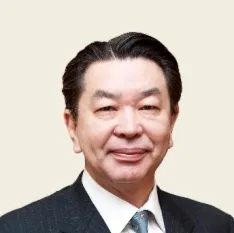 | Mr. Koichiro TsurutaPresident and CEO, Tsuruta Hotel Co., Ltd. / Director, NPO Hatto Onpaku. While managing a hotel with a 100-year history, he launched “Hatto Onpaku” and led the revitalization of Beppu’s Eight Hot Springs. He actively provides guidance to other regions and has received numerous public appointments and awards, including being named a “Tourism Charismatic” by the Japan Tourism Agency and a “Regional Revitalization Evangelist” by the Cabinet Office. |
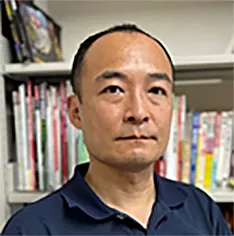 | Mr. Yasunori HataAssociate Professor, Department of Civil and Environmental Engineering, Faculty of Engineering, Graduate School of Integrated Studies, University of Yamanashi. Member of the Working Group on Countermeasures Against Widespread Ash Fallout During Large-Scale Eruptions, under the Disaster Prevention Measures Implementation Council of the Central Disaster Prevention Council, Cabinet Office. His areas of expertise include regional disaster prevention, disaster information, and tourism disaster prevention. He also serves as a director of the Phase-Free Association. |
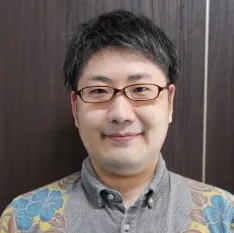 | Mr. Ko KamataRepresentative Director, Tourism Crisis Management Research Institute (General Incorporated Association). Assumed current position after serving at the Okinawa Convention & Visitors Bureau. Continues to oversee the “Tourism Crisis Management System Tabletop Exercise” and “Churashima Rescue” programs implemented in Okinawa Prefecture. During the COVID-19 pandemic, he worked on supporting foreign visitors through multilingual assistance and support for accommodation-based medical care. |
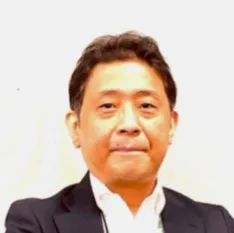 | Mr. Naoki NakamuraOyo Geology Co., Ltd. / Co-Creation Lab Consultant: Engaged in a wide range of activities at a consulting firm, including corporate natural disaster risk management and environmental assessment. Currently involved in supporting local governments with the formulation of decarbonization plans and working on the introduction and commercialization of renewable energy. Certified Professional Engineer (Construction and Environment Divisions) |
Kono:
Even before the start of this year’s typhoon season, flood disasters have already occurred across the country. While we cannot prevent disasters from occurring altogether, the tourism industry has a structure that is extremely vulnerable to natural disasters and the spread of infectious diseases. Looking at the Kumamoto and Oita earthquakes, which served as the basis for the simulation calculations mentioned earlier, aside from budgetary measures like the “Fukkou-wari” discount, what other factors do you believe influenced the pace of tourism recovery?
Tsuruta:
Regarding the “Fukkou-wari” program, it is certainly true that the early implementation of various measures by the government and local authorities—based on lessons learned from the Great East Japan Earthquake—proved effective. I believe that by allocating a massive budget of 18 billion yen and implementing the program from July to December of that year—covering both the summer vacation and the autumn travel seasons—we were able to reliably secure demand. Given the large budget allocations—5.3 billion yen for Oita Prefecture and just under 6 billion yen for Kumamoto Prefecture—demand recovered quickly in these two prefectures.
One factor contributing to the limited impact on other prefectures was that approximately 40% of tourists in the Kyushu region come from within the Kyushu market itself. Consumers tend to choose destinations offering larger discounts, leading to competition for demand within the Kyushu region. In hindsight, it is clear that designing a system to attract demand from outside Kyushu was crucial.
Furthermore, I believe that disasters and crises “accelerate gradual trends that were already underway.” When looking at individual tourist destinations, it is important to keep in mind that areas where visitor numbers had been declining even before the earthquake saw an even steeper decline following the disaster, while those that had been experiencing growth recovered quickly.
Kono:
Okinawa Prefecture was the first among all prefectures in Japan to formulate a tourism crisis management plan, and it actively supports municipalities in developing their own plans and conducts annual tabletop exercises. Amidst these efforts, the prefecture faced a major crisis with the burning of Shuri Castle, a World Heritage site.
Kamata:
The Shuri Castle fire occurred in 2019. Through the “Shuri Castle Reconstruction Project” (a project utilizing crowdfunding and the “Furusato Nozei” tax donation system), which Naha City implemented ahead of the prefecture, over 940 million yen in support was raised, while Okinawa Prefecture as a whole collected nearly 5.4 billion yen. These efforts were inspired by the precedent set by the “Kumamoto Castle Reconstruction Lord” initiative, which relied on donations for restoration and reconstruction.
In terms of our response structure, Naha City and the prefecture held discussions on the very day the Shuri Castle fire broke out. We formed a committee for monitoring and response coordination, and in collaboration with the Okinawa Convention & Visitors Bureau, we disseminated information through our media network and promptly requested assistance from the national government. Furthermore, regarding the physical reconstruction, we are focusing on “visible reconstruction.” This approach also follows the precedent set by Kumamoto Castle. It can be said that we were able to respond so swiftly because we had studied the various measures taken during the Kumamoto and Oita earthquakes and their effectiveness.
Kono:
During the Great East Japan Earthquake, “self-restraint” was the initial response. However, reflecting on that experience and taking the Kumamoto and Oita earthquakes as a turning point, the shift toward “visiting and spending to show support,” “the region itself actively inviting visitors,” and “communicating the reconstruction process” is of great significance.
In terms of response and recovery, local governments and businesses must maintain close cooperation during normal times to be able to act effectively when an emergency strikes. From the perspective of strengthening collaboration and fostering awareness among stakeholders, what kinds of initiatives are being undertaken in various regions?
Kamata:
In Okinawa Prefecture, we conduct annual tourism crisis management drills for large-scale disasters. Some are conducted on-site in collaboration between municipalities and the prefecture, while others are tabletop exercises where many stakeholders gather in one place.
It is crucial that the tourism and disaster prevention departments within the administrative organization collaborate on a regular basis. Starting with the creation of opportunities for these departments to participate in each other’s study sessions, seminars, and drills, it is essential to foster an awareness among both sides that they view these matters as their own responsibility.
Hata:
During disasters, tourists are treated as people unable to return home, so priority is given to considering how to ensure their safety and facilitate their early return. However, in many cases, the perspective of how to protect the local tourism industry is missing. Since this is an industry dominated by small and micro-enterprises, the reality is that efforts to address the tourism industry as a whole are significantly lagging behind.I believe that, drawing on the initiatives of Okinawa Prefecture—a leader in tourism—the government should also prioritize preparations and planning from the perspective of “how to protect the tourism industry.”
In 2015, when the volcanic alert level was raised to Level 3 (mountain access restrictions) at Owakudani in Hakone, an evacuation order was issued for a 1-kilometer radius centered on Owakudani. Tourists unfamiliar with the area began to avoid visiting Hakone-Yumoto, located 8 kilometers from Owakudani, resulting in a sharp decline in tourists throughout the entire Hakone region.Based on this experience, we have now begun to communicate information more effectively by visualizing the restricted areas on maps—for example, by clearly indicating that “only this specific part of Hakone is a restricted area, while all other areas are safe.” The DMO shares information with tourism businesses and collaborates with them to determine the most appropriate methods and content for public communication. The Hakone example is highly instructive in terms of minimizing the decline in demand through the dissemination of accurate information that avoids causing unnecessary anxiety.
Nakamura:
In terms of recovery, it is crucial to restore the affected areas to their normal environment and landscape as quickly as possible. For a region to welcome tourists again, it is necessary to clear away “disaster debris” at the earliest opportunity. During the Kumamoto and Oita earthquakes, a staggering 1.4 million tons of disaster debris—seven times the normal amount—was generated all at once.
Although the national government is encouraging local governments to formulate guidelines in advance to address this issue, more than 30% of municipalities nationwide have not established rules regarding this. We need to give constant thought to the relationship between tourism and waste management, as well as the creation of sustainable tourist destinations.
Kono:
Are there any insights for the future regarding the provision of information to travelers, the market, and society in support of recovery efforts?
Tsuruta:
During the Kumamoto and Oita earthquakes, the extent of damage varied by region, making it impossible to standardize the content or timing of information dissemination and promotional activities—whether across the entire Kyushu region or within individual prefectures. In Beppu, safety could be ensured at about 80% of facilities—excluding the northern area, which suffered significant damage—so there were many requests to “take early action toward recovery.” In contrast, Yufuin delayed the launch of its promotional campaign due to damage caused by subsequent aftershocks.
In Beppu, where the damage was relatively minor except in the northwestern region, the mayor took the lead in declaring, “Beppu is safe,” and consolidated authority over tourism and disaster prevention teams under the mayor. Within a week of the earthquake, a council was established to determine future measures. With an eye on the Golden Week holiday period—which fell two weeks after the quake—the city consulted with a public-private council and launched the “Beppu Safety Campaign” exclusively within the prefecture, aiming to attract tourists ahead of other regions.
Additionally, the private-sector social media campaign “We Love Beppu,” which launched without waiting for government support, further bolstered the local momentum toward recovery. The fact that Beppu’s community development NPOs and other organizations were led primarily by people in their 40s, marking a solid generational transition, also played a key role.
Hata:
While it is impossible to list every single risk, we must avoid a situation where travelers say, “I didn’t know about the disaster risks.” Following the Great East Japan Earthquake, tsunami risks were widely reported nationwide, leading to an increase in elevation markers along the coast. A clear example of this is the provision of information—such as elevation markers and evacuation sites—on signs throughout town.
Unlike group travelers, independent travelers must obtain accurate information on their own. While they can certainly access information from tourism association websites, it is extremely important for tourism businesses that interact directly with travelers—such as inns and hotels—to provide detailed and up-to-date information about the traveler’s immediate surroundings, either in person or online. This not only reassures travelers but also encourages them to take appropriate action.
However, if the information disseminated varies depending on the source, it could undermine travelers’ trust; therefore, it is essential for the region to present a unified front. It is crucial to establish a manual for information coordination and dissemination—involving collaboration between local governments, DMOs, and businesses—during normal times.
Kono:
The key points for a swift initial response by the government are the “top-level message” and the “immediate establishment of a decision-making council.” Furthermore, to ensure immediate information dissemination, it is essential to maintain close networks among private-sector stakeholders during normal times and align their awareness regarding emergencies. It is also crucial to establish rules for information collection and dissemination in advance so that businesses do not panic in the midst of a crisis when they are overwhelmed with responding to tourists.
What kind of administrative support or services do you think are necessary to accelerate facility restoration and ensure that reception systems are in place as early as possible?
Nakamura:
To accurately report the extent of damage, it is crucial to assess the damage to buildings and other structures early on, but there are cases where a full picture is slow to emerge. There is also a dilemma, such as having to wait until insurance companies complete their damage assessment surveys for insurance payouts.
The Ministry of Land, Infrastructure, Transport and Tourism’s “Real Estate ID” initiative (which identifies domestic real estate using a 17-digit number, applicable to all types of properties including condominiums, single-family homes, and commercial facilities) has only just begun. I believe it is crucial to establish a system that utilizes such mechanisms to enable rapid assessment and information sharing during disasters.
Kono:
Finally, I would like to ask about “what hardware and software are necessary for creating disaster-resilient tourist destinations” and “what tourism operators and local governments facing disaster risks can start doing immediately to build disaster-resilient tourist destinations.”
Tsuruta:
I realized we had not addressed communication methods during normal times at all, so I would like to begin considering this as soon as possible. Furthermore, while the foundation lies in conducting repeated training exercises in collaboration between the public and private sectors that simulate various scenarios—such as location, disaster type, and scale—I have reaffirmed that this is of utmost importance.
Kamata:
The response cycle during normal times and wide-area cooperation (collaboration with neighboring municipalities) are crucial. If the network functions smoothly during normal times, we can respond without confusion during a crisis.
Furthermore, to ensure the continuity and effectiveness of plans and measures, they must be tied to the budget. Going forward, Okinawa Prefecture will consider introducing a tourism tax and a lodging tax, as well as establishing a fund. However, securing a budget that can be disbursed immediately without going through standard approval procedures during emergencies, and securing and training personnel capable of responding to these crises, will also be key.
Hata:
I would like to introduce the concept of “Phase Free,” which aims to eliminate the distinction and barriers between normal times and emergencies. Implementing initiatives intended “only” for emergencies requires setting up separate operations and budgets, raising the barriers to implementation. However, building systems where everyday mechanisms can also be utilized during emergencies offers budgetary benefits and increases the likelihood of a smooth response when the time comes.For example, if the back of an admission ticket is completely blank, it becomes waste; however, if evacuation routes and other instructions in the event of a disaster are printed on the back, people can simply look at the back to find the information they need when the time comes. In this way, it is important to incorporate information and systems applicable to emergencies into our everyday operations.
Furthermore, to achieve an early recovery in demand, efforts to increase the repeat visitor rate are necessary. In regions with high substitutability, travelers tend to shift to other areas when a disaster occurs; however, survey results indicate that businesses with high repeat visitor rates saw customers return more quickly even after a disaster by enhancing the added value and uniqueness of their region and facilities. Since tourist destinations that rely heavily on group tours, such as school trips, have high substitutability and experience slow recovery, we believe that increasing the repeat visitor rate also contributes to disaster preparedness.
3. Summary
Many opinions converged on the importance of learning deeply from past disaster responses in both one’s own and other regions, as well as the importance of preparing during normal times to ensure smooth operations when a disaster occurs, in order to create “disaster-resilient tourist destinations. ”It is extremely difficult to immediately implement measures or actions intended “only” for emergency situations when the time comes. In initial response, where speed is critical, it is essential to establish appropriate leadership messaging and response systems, as well as mechanisms for rapid information gathering and dissemination. Furthermore, the importance of budgetary measures to ensure this speed and of preparing response systems in advance during normal times was highlighted.
著者