Oh, French wine!
French wine has established an unshakable global brand. What is the secret behind its brand power?
In France, the term “bon vivant” is often used. It refers to enjoying life and living well, particularly taking great pleasure in eating and drinking. For the French, food and drink are essential elements of a happy life.
Furthermore, “alcohol” has appeared in the myths and folktales of various countries since ancient times—as represented by Bacchus in Rome, Rama in India, and the deities Ōmononushi and Sukunabiko in Japan—and has held an important place in each country’s culture. In Christianity, wine is considered the blood of Christ and is used in sacred rituals.
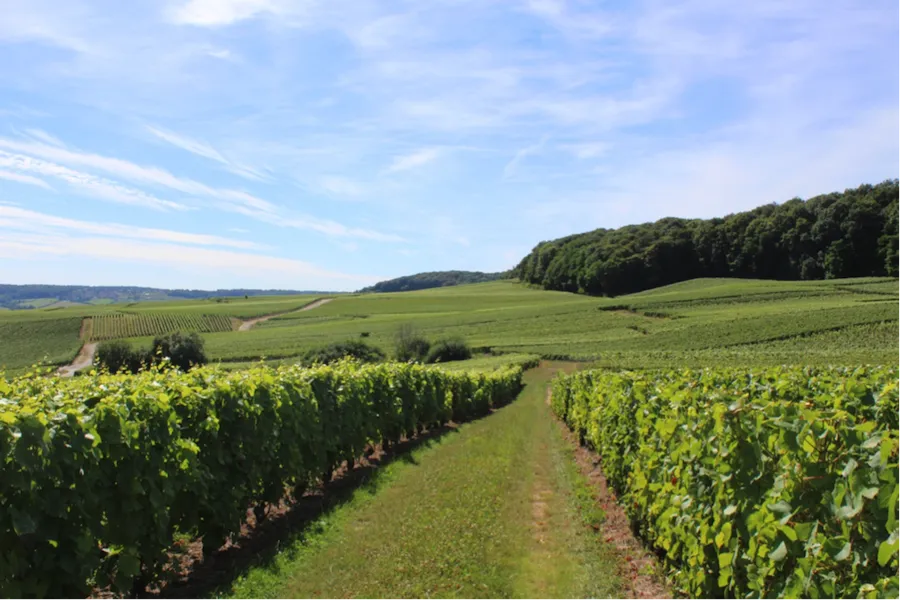
Today, France is home to vineyards covering 10% of the world’s total vineyard area, where 17% of the world’s wine is produced. However, it is not just the volume that has made French wine famous worldwide. What underpins the French wine brand is the protection afforded by laws and regulations, along with a relentless commitment to innovation.
Founded in 1935 by Baron Roy, the I.N.A.O. (Institut National des Appellations d'Origine, National Institute of Designations of Origin) is the official body in France responsible for establishing the criteria required for A.O.C. wines (*1).Traditional French wine regions each have their own unique styles regarding grape varieties, cultivation methods, and winemaking techniques, and AOC regulations are the legal framework designed to protect the distinct character of these regions. These regulations have extended beyond France to become the foundation for global standards of wine quality.
Another key factor in the history of French wine is the establishment of oenology as an official academic discipline at universities. Beginning with the creation of a specialized department at the University of Montpellier in 1955, a university dedicated to wine studies was founded in the Sousse region of southern France in 1978. This academic focus contributed to building the brand of “world-class French wine.”
While French wine is renowned worldwide, Champagne holds a particularly special place. Thanks to its exceptional taste, effervescence, and the elegance conveyed by its unique appearance, Champagne has been the choice for toasts by many celebrities among the countless sparkling wines available globally.Winston Churchill, the former British Prime Minister who is said to have drunk 42,000 bottles of champagne in his lifetime, famously remarked during the war, “We are not fighting merely for France. We are fighting for Champagne as well.”
By law, the term “Champagne” cannot be used for sparkling wines from any other region, nor can it be applied to non-wine products such as perfumes, soft drinks, or tobacco. This example clearly demonstrates how crucial branding is for imparting a sense of exclusivity to a product and enhancing its value.
In this way, the shared vision among industry, government, and academia to make French wine the best in the world, combined with their sustained efforts, has solidified the value of French wine in just a few decades. Furthermore, French wine plays a role not only as an export industry but also as a tourist attraction that draws visitors. According to the French Tourism Development Agency, an estimated 10 million travelers visited French vineyards in 2016, generating 5 billion euros in spending.
Recently, driven in part by the inscription of Japanese cuisine on the UNESCO World Heritage List, interest in sake from overseas markets has been growing. Will sake one day be able to build the same global brand value as French wine? The answer is YES. I believe the day will come when sake becomes the “French wine of Asia.” To achieve this, the private and public sectors must share a common vision, establish legal frameworks to protect the sake brand, and jointly develop long-term strategies. It is also important to create an environment where visitors to Japan can easily visit sake breweries to tour the facilities and sample the products.
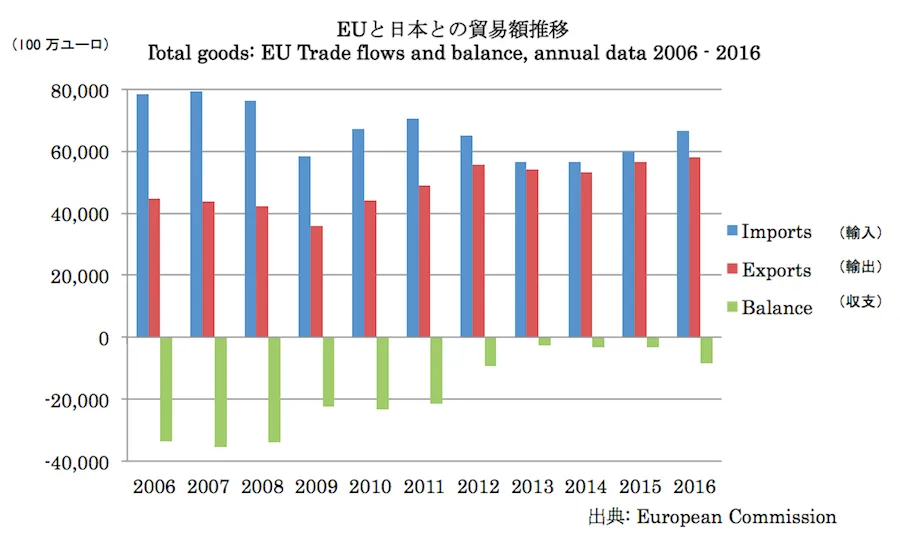
On July 6, 2017, Prime Minister Abe announced that Japan and the EU had reached a broad agreement on the Economic Partnership Agreement and the Strategic Partnership Agreement. This is one of the most significant trade agreements in history. If tariffs on many products are eliminated between Japan and the EU, the flow of French wine to Japan and Japanese sake to France will become even more active. I sincerely hope that Japanese sake will seize this opportunity and make a significant leap forward.
(*1) Abbreviation for Appellation d'Origine Contrôlée (AOC)