An Interview with Takanori Takebe, Author of It’s Too Late for Treatment: What Travel Will Look Like Five Years Ahead
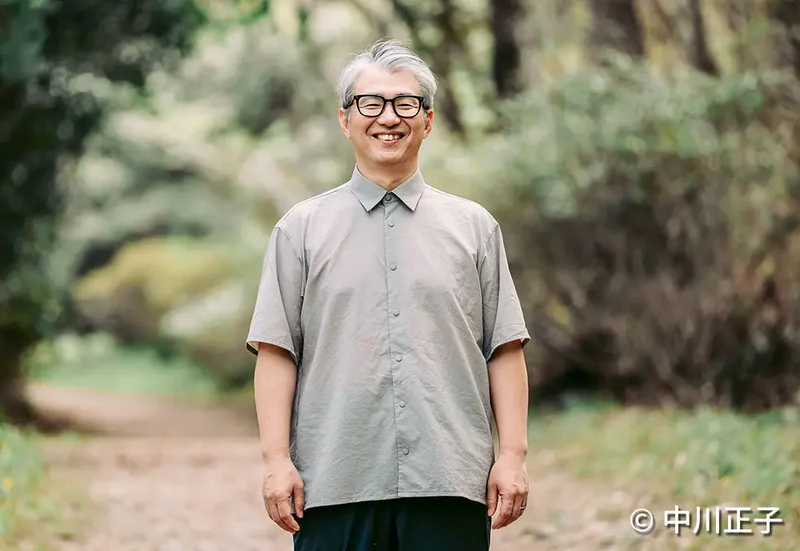
Guided by the principle “Treat the person, not just the illness,” Dr. Takanori Takebe, who is engaged in initiatives that transcend the boundaries of conventional medicine, discusses the essence of “communication.” In this column, with the aim of identifying future trends in tourism and travel and capturing signs of change (i.e., the seeds of new tourism), we present “exploration reports” (i.e., interview transcripts) featuring leading experts from a variety of fields beyond just the travel industry. In this installment, we spoke with Dr. Takanori Takebe, who conducts cutting-edge regenerative medicine research while also leading the “street medical” initiative—an effort that transcends the boundaries of hospitals and research institutions by integrating medicine into daily life through the power of ideas and design.
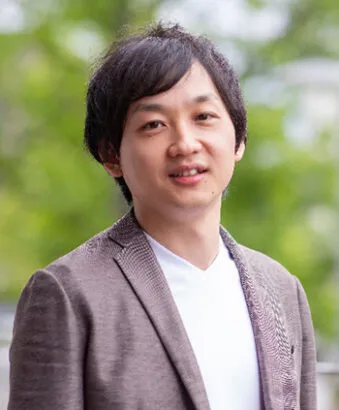
Born in Yokohama, Kanagawa Prefecture, in 1986. Graduated from the School of Medicine at Yokohama City University. In 2013, he became the first in the world to successfully create human liver primordia (mini-livers) with vascular structures from iPS cells. Professor (Emeritus) of Organ System Engineering, Department of Genomic Biology, Graduate School of Medicine, Osaka University.Research Institute, Tokyo University of Science. Deputy Director and Associate Professor, Organoid Medical Research Center, Cincinnati Children’s Hospital. Director and Special Professor, Center for Communication Design, Yokohama City University.
The thought process that led me to conclude, “It’s too late for treatment”
Explorer Squad: Mr. Takebe, could you tell us again about how you came to become a doctor?
Mr. Takebe: Regarding why I decided to become a doctor, from a slightly different perspective than what’s written in my book, I played various musical instruments from a young age. I played the violin, and starting in middle school, I also played the alto saxophone. My older brother, who is three years my senior, was a musician all along and seemed intent on continuing to play the guitar. I was also serious about music, but since I wanted to become a doctor as well, I made the decision to aim for medical school during my senior year of high school. I think it was a somewhat passive final decision. Going back to my great-grandfather’s generation, everyone was in the humanities and worked at companies or held part-time jobs. If there was anything a bit unusual, it was that my paternal and maternal grandfathers were involved in what we would now call startups. I’ve heard that my maternal grandfather built a car dealership from the ground up, and my paternal grandfather worked in a trading company that sold goods in the U.S. These two grandfathers might have had an identity similar to how I work now. However, there are no scientists or doctors in my family lineage.
Explorer Squad: Given that background, what made you consider becoming a doctor?
Mr. Takebe: My father’s illness was a major factor. When I was in third grade, my father suffered a stroke. From that day on, my mother was gone and didn’t come home for several months. My grandmother came to stay with us, and about three months later, when I went to the university hospital, I saw my father lying in bed through the window of a small room with a “No Visitors” sign hanging on the door. Peering through a small gap, he looked like a completely different person. My father, who had once been plump, was terribly thin, with an unkempt beard and a face I’d never seen before. On top of that, his gaze was vacant. That scene was truly shocking. Ultimately, he made a full recovery and was able to return to society. I heard the odds of that were very low, but I was truly relieved that he made it. My father’s situation had a profound impact on everyone—my colleagues, family, and relatives. If something had happened to him, I might have started working right after graduating from middle school, or I might have given up on high school or college altogether. I truly realized how saving a single life can drastically change a person’s life.
Explorer Squad: I see. So your childhood experiences and your thoughts on career choices led you to become a doctor. In that context, could you tell us how you came to the idea behind your book, *It’s Too Late for Treatment*, and about your current activities?
Mr. Takebe: Looking back, my father was in a state—in terms of medical risk—where he was highly susceptible to developing serious conditions such as obesity and hypertension. Nevertheless, like many people, he continued to lead a busy work life and simply didn’t have the time or mental bandwidth to focus on his health. Even in medical school, while we were taught standard protocols for treatable diseases—such as “prescribe this medication” or “perform this surgical procedure”—we didn’t receive sufficient training on how to address the pre-symptomatic stage, which isn’t typically considered a target for conventional treatment. In other words, we didn’t fully learn what to do in situations like my father’s, where someone hasn’t yet developed the disease but is clearly at high risk. Of course, we learn statistical risks—such as the probability of diabetes worsening—but just as it’s not easy to quit smoking even when you know it’s bad for you, we lacked practical tools for taking action even when we understood the risks. I became increasingly determined to address this issue. This is because I began to question the current situation—not just regarding my father, but also in our aging and digital society—where there are so many people who need solutions outside the scope of conventional medicine, yet no one is addressing their needs. From there, I started thinking about what technical fields could be applied in everyday life, and I began to realize that approaches from design and the creative fields could be our tools. This has led to the current activities of street medical and our approach to community development.
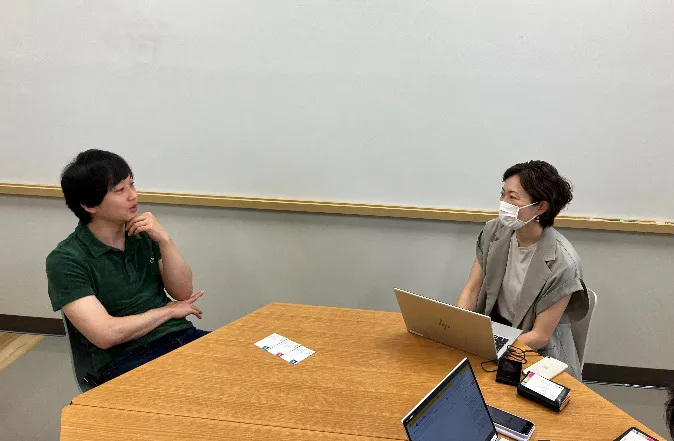
Explorer Squad: Thank you. So you’re working on how to provide support within daily life and how to offer assistance that goes beyond the framework of medicine at an early stage.
The Essence of Health and Happiness
Explorer Squad: For you, Dr. Takebe, who is engaged in such initiatives, what does “health” mean?
Mr. Takebe: I believe that, first and foremost, health means being able to live without feeling any physical or mental constraints. It’s important to be in that state without even having to think about it; if someone tells you, “You need to get healthy,” that in itself becomes a burden. With so many people already dealing with worries about work, family, and interpersonal relationships, I think adding the pressure of “being healthy” just makes things even heavier. In today’s incredibly busy information society, I believe being natural is the most important thing. At the root of that is the feeling that “I’m truly alive”—in other words, being happy. The most important thing is for that state of happiness to be naturally embodied. Actually, “happy” and “healthy” aren’t the same thing, and I truly believe that “being happy” should come first.
Explorer Squad: I agree completely. I think humans are the only ones who want to be healthy; other living creatures may want to live, but they rarely think, “I want to be healthy.” As you said, happiness comes first, and health is just a means to that end.
Mr. Takebe: Are you familiar with the Blue Zones—regions where many people live to be over 100 years old? It’s said that having a sense of purpose in daily life and engaging in healthy behaviors extends one’s healthy lifespan. In our daily lives, I think what matters is whether we can find meaning in life and keep striving. On the other hand, in non-routine situations—such as travel—it’s important to have plenty of unexpected events. Unexpected events are said to be powerful triggers for happiness. When it comes to travel, if everything is planned down to the last detail, the sense of excitement fades. I find joy in unexpected experiences—like being moved by unforeseen events or beautiful scenery. I want to cherish those travel mishaps and that sense of excitement.
Explorer Squad: These days, since we can get information on just about anything in advance, travel can easily turn into something that feels like checking off a checklist. Things like, “Let’s eat this dish at that highly-rated restaurant,” or “I got to see that view I saw on social media.”
Mr. Takebe: Speaking of current challenges in Japan, I feel that the content available in both rural and urban areas is starting to look somewhat similar. I feel it’s very important for each region to exercise a bit more autonomy. After all, I think it’s precisely because we can experience completely different environments that we want to travel and have various experiences.
Explorer Squad: I see. That’s a truly important point for the tourism industry as well.
Mr. Takebe: In that sense, isn’t the very fact that you can travel a sign of good health? I think the frequency with which people travel can itself be evaluated as a health outcome.
Invention and Innovation
Explorer Squad: That’s certainly true. Considering the financial and time flexibility required, as well as the planning process itself, the very fact that one is able to travel suggests a high level of health. Speaking of your “Healthy Community Development” initiative, I’ve noticed various “Medicine × [X]” models emerging in recent years. How are you approaching this initiative?
Mr. Takebe: I often mention this lately, but I believe “invention” and “innovation” are completely different things and should not be treated the same way. Invention refers to discovery or creation, while innovation refers to social implementation or social transformation. That initial spark—the realization that “This is a new way of thinking!”—is invention, and innovation is the state where that idea has become widely adopted by everyone. If anything, it is the innovation phase where true integration is truly necessary. I believe collaboration won’t work well unless there is a solid foundation of interesting insights or discoveries—moments where you think, “No one has thought of this before.” It’s crucial to have a solid core idea or concept that serves as the initial catalyst. If you start with a concrete proposal and then bring in collaborators, the discussion deepens and is more likely to yield meaningful results. It can be a concept or something concrete, but if there aren’t elements that are new to the collaborators—or perspectives they’ve never considered—it won’t work. Just because we talk about collaboration or open innovation doesn’t mean simply gathering people together will work; I feel that’s where universities and others often fail.
Explorer Squad: Are medical professionals best suited to create those inventions or core concepts? Or is it people from other fields?
Mr. Takebe: I think anyone can do it, but there are definitely certain types of people who are good at thinking this way. For example, children. Invention is best suited to people who are good at thinking differently from others—artists, for instance, or those with strong intuition who speak intuitively, or people who are a bit hard to understand. Often, it’s the people who say strange things or are hard to figure out who end up blazing new trails. Also, “fearless” people—those who don’t hesitate to take on challenges and just dive right in—are strong at invention. When it comes to innovation, I feel it tends to be driven by people who can rationally design solutions, calculate risks in detail, and approach things with a sense of balance—in a way, they’re often conservative. I think there are many of these types in Japan. Perhaps in places like the U.S., the startup culture has served to compensate for the lack of such talent. However, there are very few cases where a startup handles everything all the way through to societal implementation. In most cases, I believe it’s crucial to engage various stakeholders and pass the baton along as the project progresses. In the pharmaceutical industry, the standard model is for large corporations to acquire products developed by startups and implement them in society. Since large companies find it difficult to maintain such talent in-house, acquiring startups creates an ecosystem that bridges invention and innovation. In Japan, because there are few starting points for such startups, it feels like large companies have only recently begun to experiment with this on a small scale within their existing capacity.
Explorer Squad: I see. In that sense, would you say you yourself are entirely an “invention” type?
Mr. Takebe: Yes, I’m definitely an “invention” type. While I believe it’s necessary to have expertise in one’s own field while also having some knowledge of other fields, in my case, even if I don’t know much about a subject, I start by thinking about it and consider whether I can introduce new elements into that area. When I come up with an idea and think, “Could this work?” I take action first. I do the research afterward. I’m not good at reading books either. That’s why, even when I write a book myself, I hardly ever reread it. I’m also not good with long texts—my Japanese grades in middle school were absolutely terrible (laughs). I operate on a cycle of learning as I go.
Explorer Squad: With the rise of AI, do you feel it has made brainstorming more efficient? If you come up with an idea, input it into AI, and ask it to benchmark existing cases and present them in a table, it might just tell you, “That doesn’t exist.”
Mr. Takebe: That’s actually the best-case scenario. After all, if it’s a business model someone else is already using, it’s either already a success—or if it exists but hasn’t succeeded, that means it won’t work. So unless you create something no one else is doing to bring a fresh perspective to the world, you won’t produce anything that truly succeeds. If a case study comes up and hasn’t spread widely, I judge it to be a bad idea. The fact that no one else has thought of it is a benchmark in itself. What AI can research is limited to what already exists in the world today. Even if you try to use AI to create something that doesn’t exist, you won’t get anything outstanding at this stage. To create something new, it’s crucial to find that “aha!” moment on your own. For example, I’m thinking about something like “Enabling City,” which collects and visualizes the emotions of a city. Even though restaurants are linked to maps like on Tabelog, the emotions and joy of the experience at that moment aren’t being shared. We realized there isn’t anything like a “happiness social network” yet, so I’m currently thinking about creating one. In the UK, there’s something called the “Healthy Streets Index,” which displays the healthiness of each street using a heat map, and in the Netherlands and Europe, there are initiatives that map positive mental emotions. However, all of these have limited use cases, and I think there could be more diverse patterns. Even within the same city or neighborhood, the experiences of people in their 60s and 70s are completely different from those of younger people, and the things they focus on are bound to be different too. Since the scenery and how people perceive it differ even in the same place, I think if there were a tool that could create triggers for those differences to intersect or connect, everyone would use it.
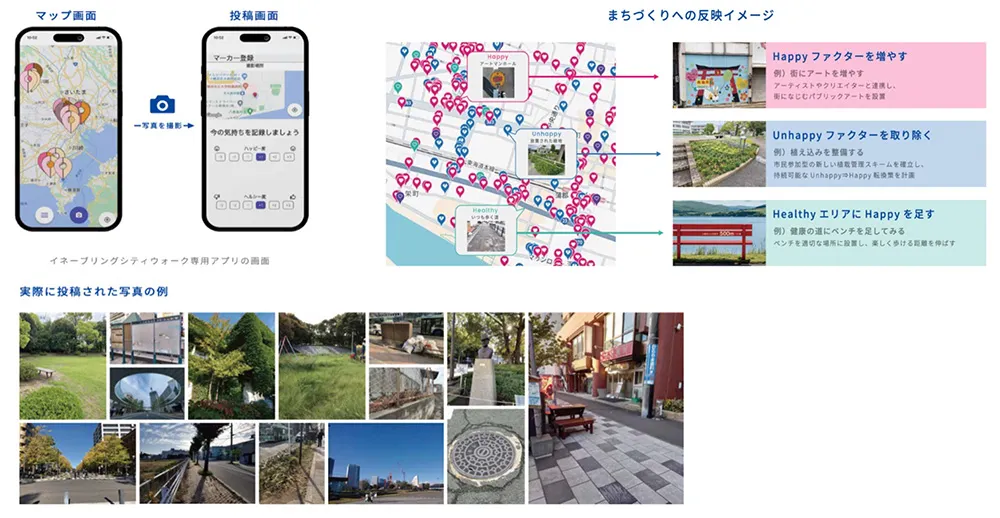
The specific action we’re taking to identify these key concerns is the “Enabling City Walk.” In this walking tour event, participants take photos of places or objects that make them feel “Happy/Unhappy” or “Healthy/Unhealthy” as they walk through the city, and post them to a dedicated app along with their location data and comments. By aggregating and analyzing this submitted data, we can visualize in high resolution which elements of the city make people feel happy or healthy (we call these “Enabling Factors”), and use this as the first step in urban planning to realize an Enabling City.
Diversity of Travel Preferences and Experiences
Explorer Squad: If emotional data can be visualized, it will spark people’s interest in both established tourist destinations and places that haven’t yet been developed for tourism, making them think, “I’d like to go there.” There’s a long-standing saying like “When you’re heartbroken, go to the sea,” and that relationship between emotions and places is fascinating.
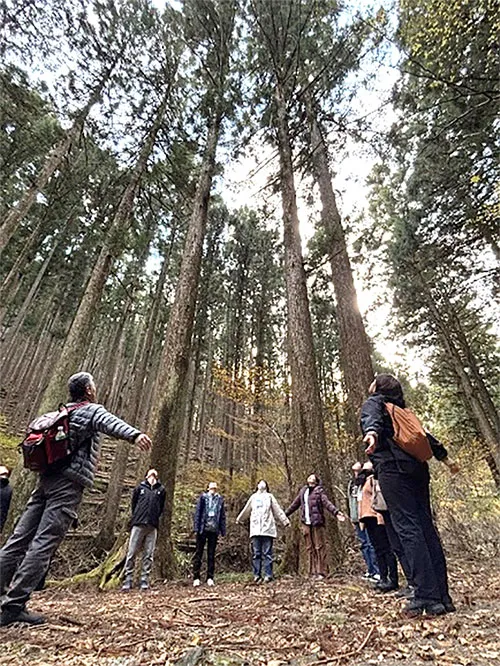
Mr. Takebe: I like mountains and forests. I can’t swim, after all (laughs). Taking into account those original preferences, past experiences, and current circumstances to decide where you want to go might become the new way of choosing travel destinations in the future.
Explorer Squad: Do you travel, Mr. Takebe?
Mr. Takebe: I’m traveling all year round for business trips and such… I’ve been to about six countries in the last month. Next week, I’m off to the U.S.
Explorer Squad: You must be very busy. Is there any country that left a lasting impression on you?
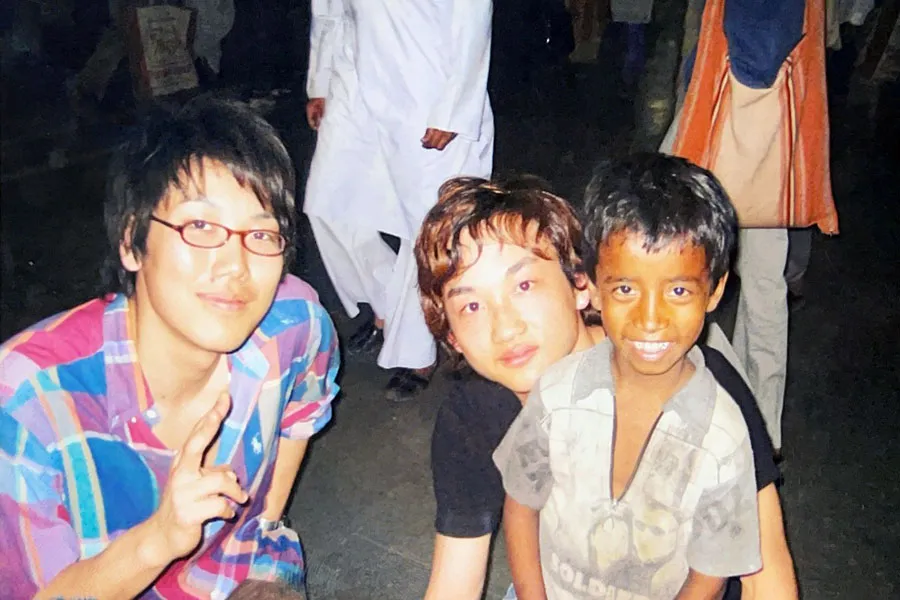
Mr. Takebe: The thing that has left the deepest impression on me so far was a night in a town just past Kolkata, India, where there was no electricity. It was truly wonderful.
Explorer Squad: Since there was no electricity, does that mean the starry sky was beautiful?
Mr. Takebe: The stars were amazing, but that day we were in a neighborhood with a pretty bad reputation—it was a dangerous place where people actually get held at gunpoint or robbed. However, there was a festival that night, and it turned out to be a wedding. For some reason, we were invited to join the local wedding procession, carrying torches. We all celebrated together, and while I thought, “I’ll probably never experience this again,” it was so much fun and remains a vivid memory to this day.
Explorer Squad: That sounds like a wonderful experience. Speaking of travel, could you share your thoughts on the essence of travel—what do people seek when they travel?
Mr. Takebe: Well, I think the travel style differs between true backpackers and those who just want to have a lively time with a group. I like aimless travel. I’m happiest when I go to a place and have a great experience with people I meet by chance, or at a café or shop I stumble upon. I think that joy found in the absence of a specific goal is my reason for traveling. But in a way, maybe that’s because I’m a bit of a “slacker.” I’m really bad at making plans; once I start researching, I get overwhelmed thinking, “This looks good, that looks good too,” and I can’t make up my mind.
Explorer Squad: I feel the same way. Even when I think, “I’d like to go there,” when it comes time to actually go, I don’t know where to look for information, and by the time I arrive, I’ve already forgotten about it. So, I end up just glancing at trips I like every month and leaving it at that.
Mr. Takebe: I think that’s fine. But if there were a system that let you book instantly on the spot, wouldn’t more people actually take action?
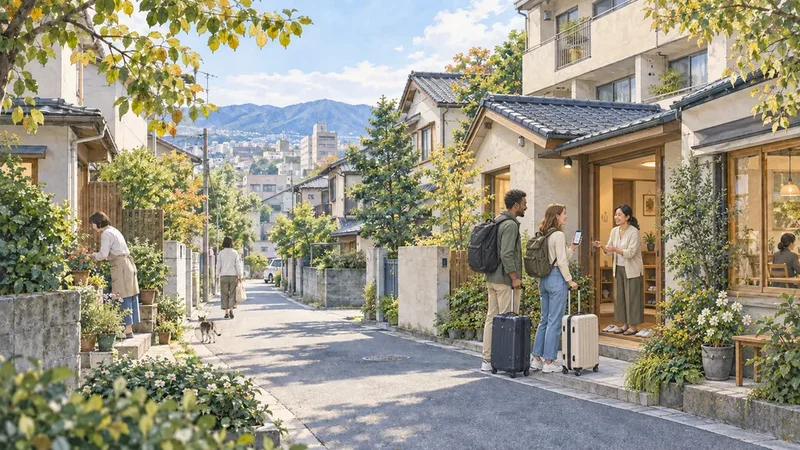
Explorer Squad: That’s absolutely true. Right now, it’s standard to look things up and book on a smartphone, but in the future, with AR smart glasses and the like, information about what you’re looking at might pop up instantly, and you might be able to book right then and there.
Mr. Takebe: MetaGlass (smart glasses) and the like are truly amazing, aren’t they? I feel like an evolution significant enough to replace today’s smartphones is just around the corner. With tools like these, you could perform most operations using just your voice, and I think the potential for voice navigation is enormous.
"Happiness" in Travel and the Value of the Extraordinary
Explorer Squad: Let me ask just one more question to wrap things up. Earlier, you mentioned that “happiness is more important than health.” What do you think constitutes a “happy state” when it comes to travel?
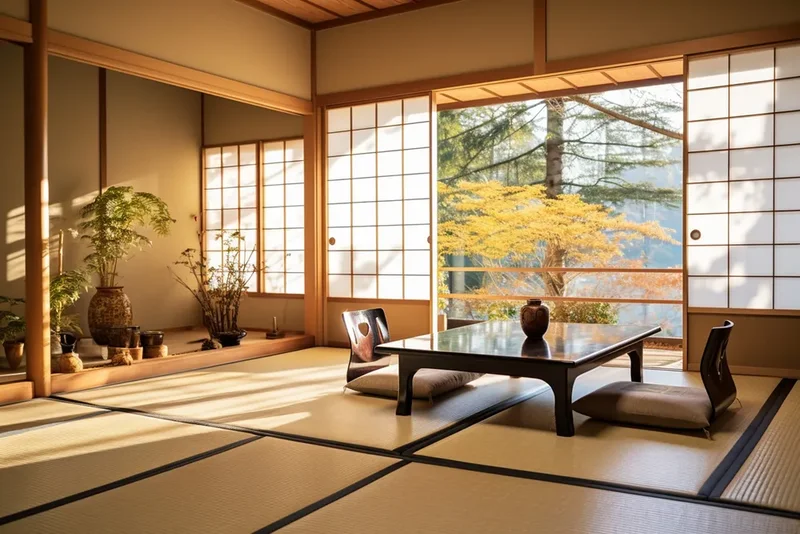
Mr. Takebe: Well, yes. I think our very perception of “happiness” is shifting toward placing greater emphasis on the “uncertainty” and “unpredictability” we discussed earlier. As our options increase, the focus of our happiness will likely shift as well. I believe one form of happiness comes from unplanned encounters and unexpected experiences while traveling. Another is having time completely cut off from the everyday world. I think this is a point that’s becoming increasingly important precisely because of the times we live in. For example, emails rarely make us feel positive, do they? They always seem to be asking for something, and since we receive so many of them every day, they easily become triggers for unhappiness. But when you go on a trip, it’s easier to disconnect from all that. Or there are situations where it’s acceptable to say, “I couldn’t reply because I was traveling.” What I want from my future travels is time where there’s no cell service—time where I can intentionally “subtract” from my life. I feel like the value of that kind of time will only increase in the future.
Explorer Squad: That’s absolutely true. In the past, you couldn’t be reached if you were on a plane, but now we’re connected everywhere.
Mr. Takebe: To take it a step further, I think that kind of time is also a time to boost creativity. When we’re completely cut off from various obligations and “things we have to do,” I feel like we can really tap into our imagination. When we’re free to think on our own, with no one demanding anything of us, don’t people naturally start engaging in creative activities? The anime “Chi.” has been popular lately, and just as the meaning of “Chi” suggests, I believe “the creation of knowledge” is what’s important. Now that we’ve entered the AI era, I think what’s fundamentally important for humans is precisely this kind of “intellectual activity.” Travel might just be the best catalyst for stimulating creativity.
Explorer Squad: And when you return to everyday life from that extraordinary experience, that experience comes into play again, right?
Mr. Takebe: Yes, I think that’s exactly right.
Explorer Squad: Thank you very much for sharing such valuable insights with us today.
The “Seed” We Found on This Expedition
Through our conversation with Mr. Takebe, I’ve come to realize once again that travel is not merely about moving from place to place or sightseeing, but rather a “cognitive activity” rooted in physicality—one that engages all five senses and allows us to experience the world firsthand with our own bodies. As we live in the AI era, I believe we’ll continue to travel not only to utilize these technologies but also to seek out serendipitous encounters and unexpected moments of wonder that aren’t found in existing data—and to gain the wisdom that comes from physically experiencing and reflecting on them.
著者