The Appeal of Cannes Goes Beyond the Film Festival

Cannes is famous as the host city of the film festival, but it also has many other attractions. What can Japanese regions learn from Cannes, a small European city?
Located in southern France, the Côte d'Azur is home to cities such as Nice, Monaco, and Cannes, making it one of the world's leading tourist destinations, attracting millions of visitors each year. While Cannes is particularly famous as the host city of the film festival, it is less well known that its residents are actively involved in advancing city initiatives—including tourism promotion—and that the city is aiming to become the No. 1 destination for outdoor sports.
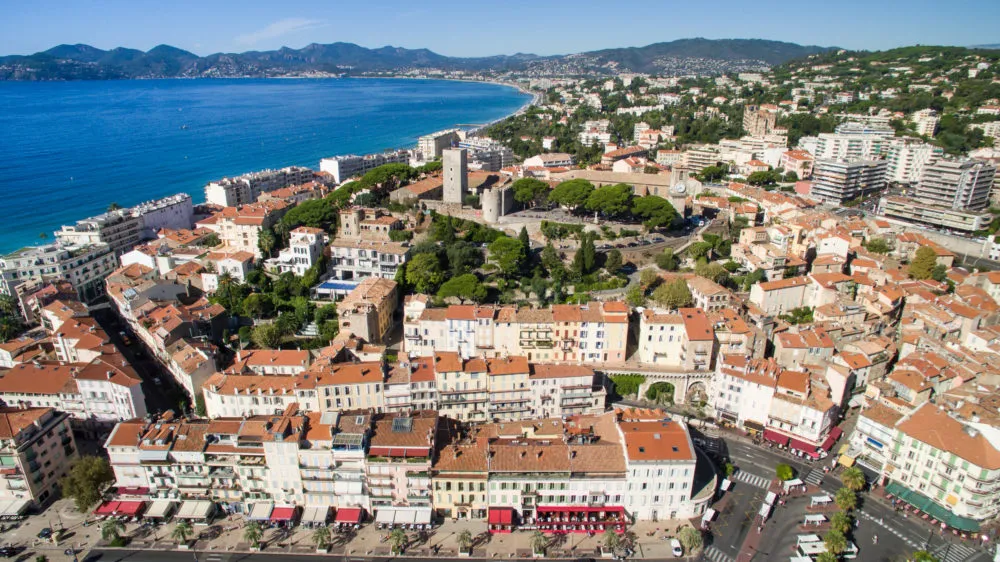
Until the mid-19th century, when Lord Henry, then Prime Minister of the United Kingdom, built a villa there, Cannes was just an ordinary small town in the French countryside. However, many aristocrats subsequently began building villas there, and it gradually gained recognition as an exclusive resort area.
Cannes gained worldwide recognition in 1946 when the French government selected it as the venue for the film festival. The Cannes Film Festival garnered significant attention and media coverage as the first international cultural event held in France after World War II. Since then, with the exception of 1947 and 1950, it has been held annually without interruption, solidifying the city’s image as the “City of Stars.”
However, Cannes’ appeal does not end there. It has many facets, including its status as a mecca for golfers with numerous nearby courses, and as France’s second-largest MICE city, hosting numerous international events and conferences each year.
In 2017, new attractions are set to be added. The first is the development of a 5.2-kilometer promenade called Boccacabana. Featuring green spaces, rest areas, sports facilities, and picnic areas, it is expected to allow everyone to enjoy the outdoors and significantly advance the city’s goal of becoming the “No. 1 City for Outdoor Sports.”
The second is France’s first city-led counter-terrorism initiative. Recognizing that “providing safety and security for residents and travelers is essential for a tourist city,” the city has allocated a budget of 5 million euros over five years for its own initiatives. These efforts include infrastructure improvements such as enhanced security at event venues, school routes during commuting hours, and port facilities; the installation of security cameras in downtown areas; and the establishment of a hotline connecting schools and the police.
The third initiative is the “Library and Media Center,” scheduled to open in June. The construction of this large media facility—featuring separate book sections for children, teenagers, and adults, as well as multimedia spaces, study rooms, and seminar rooms—is expected to enhance Cannes’ cultural image beyond just film.
In formulating these city plans, which include tourism promotion, Cannes places great importance on opportunities for dialogue with its citizens. A meeting between the city and residents held in early 2017 was attended by 2,500 people—representing 3% of the population—demonstrating the high level of resident interest in municipal affairs and a shared commitment to working together to create a more attractive city.
Over the past 50 years or so, Cannes has grown into a tourist destination attracting 1.9 million visitors annually (2013). However, the city’s appeal likely stems not only from its association with the Film Festival but also from its constant pursuit and realization of new possibilities, as well as the active involvement of citizens alongside the administration. There appears to be much that Japanese cities and towns can learn from the challenges faced by Cannes, a small city in France.
Source: City of Cannes, Côte d'Azur Official Website
著者