From Osaka to All Corners of Japan! ~The Role and Significance of "Visitor-Generating Facilities" in the Osaka IR~

The Osaka Integrated Resort (IR), scheduled to open in the fall of 2030, will play a pivotal role in driving Japan’s tourism industry. As a key component of the IR, the distribution facility will serve as a hub for directing domestic and international visitors from Osaka and the Kansai region to destinations across Japan, thereby stimulating regional tourism and generating widespread economic benefits. This article examines the significance of the distribution facility within the Osaka IR, its strategic positioning, and specific strategic policies.
1. The "Gateway to Japanese Tourism" Concept Aimed for by the Osaka IR and the Significance of its Feeder Facilities
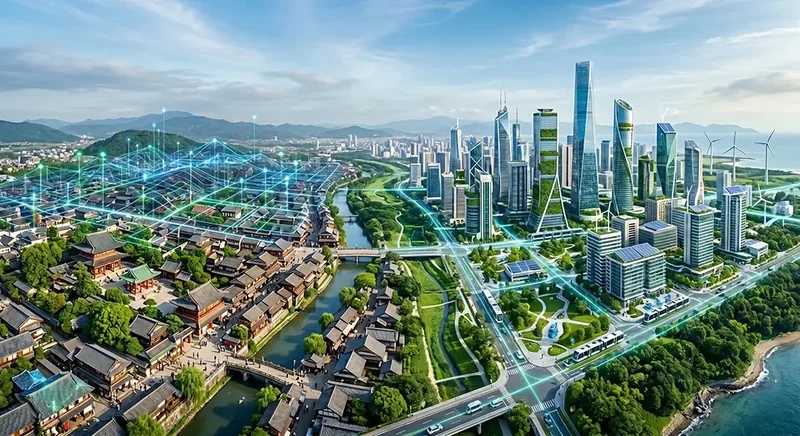
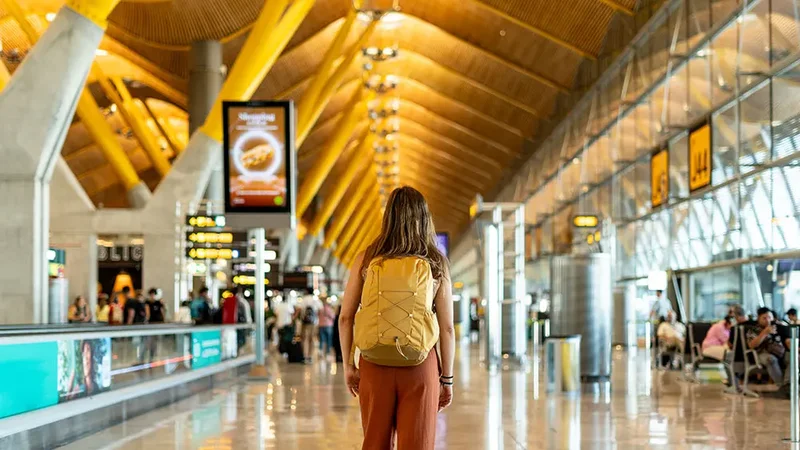
As the name suggests, the visitor distribution facilities at the Osaka IR (Integrated Resort) serve to “distribute” visitors from the IR to the surrounding areas and, by extension, to various regions across Japan. This role enables the Osaka IR to further enhance its own value by promoting its appeal against the backdrop of two powerful tourism resources: “Osaka,” a mecca for entertainment, and “Kansai,” a hub for historical and cultural tourism.
Underpinning this is the concept of the “Gateway to Japanese Tourism,” a key strategy designed to position the Osaka IR as the starting point for tourism in Japan and to draw out the appeal of the entire region. This initiative aims to maximize the use of each region’s attractive tourism resources by systematically integrating the diverse tourism resources outside the IR and leveraging the Osaka IR’s role as a hub. As a result, the travel experience for guests visiting the IR will be enriched; while tourism resources outside the IR will serve as a motivation to visit the Osaka IR, this will also lead to improved satisfaction with the stay at the IR itself. Facilities that send visitors to the IR are indispensable to the realization of this concept, and through their functions, they will contribute to the economic revitalization of the entire region.
2. The Diverse and Attractive Tourism Resources of the Osaka IR
Backed by an unparalleled wealth of tourism resources, the Osaka IR’s feeder facilities can meet a wide range of customer needs.
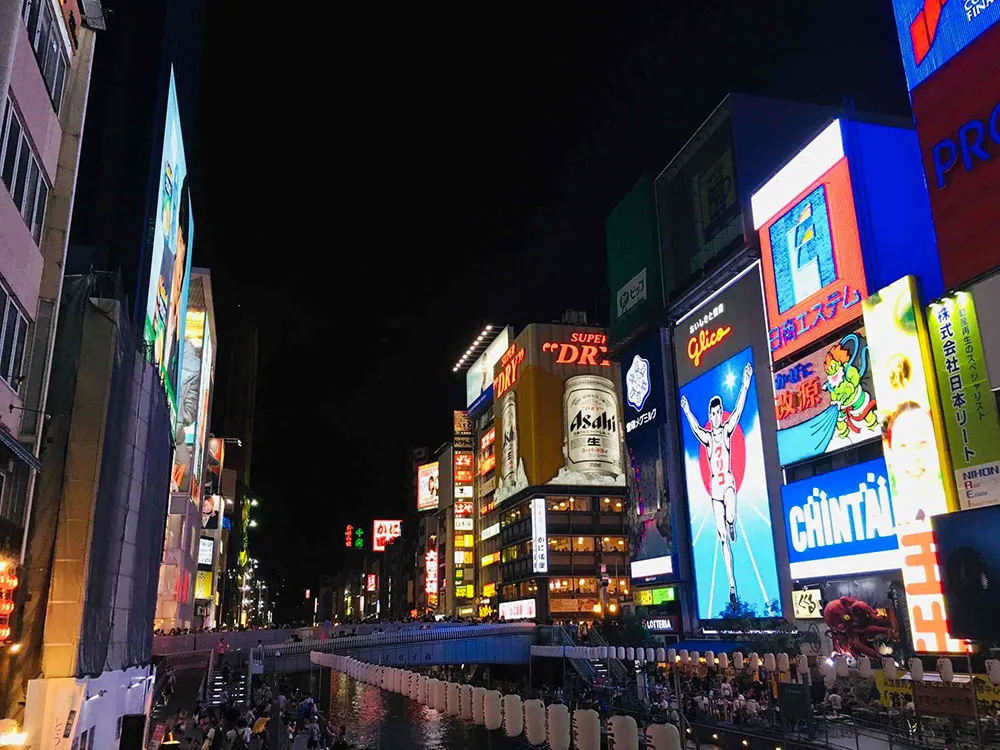
Osaka, with its abundance of tourism and entertainment elements, forms the core of this vision. Historically, Osaka has been exceptionally rich in “food culture,” “nightlife,” “entertainment shows,” and “urban commercial facilities,” making it a major draw for international tourists visiting Japan. The vibrant cityscape, diverse culinary experiences, world-class entertainment, and cutting-edge shopping will offer the true essence of urban tourism.
Next is the fact that “the entire Kansai region is a cultural and historical theme park.” The historical and cultural resources found in ancient capitals like Kyoto and Nara—such as shrines and temples, traditional culture, and festivals—can deeply appeal to international tourists seeking Japan’s traditional culture. The wider Kansai region is dotted with numerous historical structures and cultural assets, including World Heritage sites, and touring these allows visitors to experience Japan’s profound history and culture.
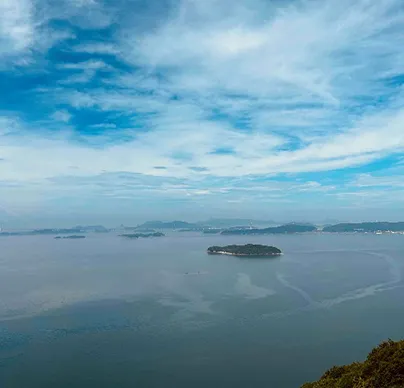
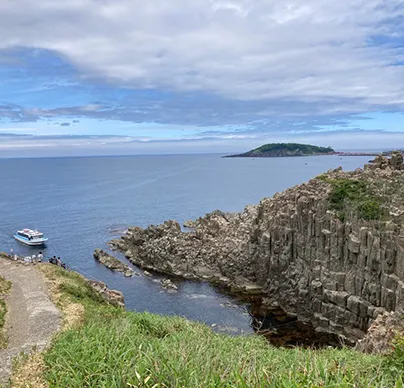
Furthermore, “accessibility to nature and World Heritage sites” is another major strength of the Osaka IR. Areas rich in Japan’s beautiful natural landscapes and World Heritage sites—such as the Seto Inland Sea, the Kii Peninsula, and Fukui Prefecture—are located relatively nearby. This makes it easy to incorporate day trips or short stays to these regions into travel plans alongside a stay at the IR. Consequently, it is possible to meet the diverse needs of visitors who wish to enjoy both an urban stay and sightseeing in the surrounding areas.

3. Strategies of Major Global IRs and Regional Visitor Traffic
The differentiation that Osaka IR’s visitor facilities aim to achieve as a “gateway to Japanese tourism” clearly demonstrates its competitive advantage when compared to major IRs worldwide. Here, we will examine Osaka IR’s strategic advantages by organizing and reviewing the strategies and regional visitor traffic of major global IRs such as Las Vegas, Macau, and Singapore.
Las Vegas
- Strengths: Las Vegas boasts an overwhelming presence in the fields of entertainment, shows, nightlife, large-scale events, and sports—areas honed over many years—and its strength lies in the very high proportion of non-gaming revenue. It possesses a broad customer base comprising MICE participants, business travelers, local residents, and short-term tourists.
- Strategy: The city is pursuing a strategy centered on diversifying revenue by strengthening its non-gaming sectors (accommodation, dining, shopping, and entertainment), introducing sports facilities, hosting large-scale events, and enhancing its brand and marketing capabilities.
- Challenges: Concerns have been raised regarding the risk of over-reliance on gaming should the industry decline, high infrastructure, land, and environmental costs, and a perceived weakness in responding to the changing needs of travelers in recent years (cultural experiences and local tourism).
- Basic Approach to Tour Promotion: The official DMO (LVCVA) actively promotes day trips and sightseeing tours to destinations such as the Grand Canyon, Hoover Dam, and Red Rock Canyon, and maintains a permanent “Day Trips” section on its official website. Multiple operators offer combo tours, and seamless transportation is provided via shuttle services from the integrated resorts (IRs).
Macau
- Strengths: The scale and profitability of the gaming industry are overwhelming, with visitors from mainland China forming the core of the market. The region possesses a unique charm that blends the history and culture of the Portuguese colonial era with modern integrated resorts (IRs).
- Strategy: The government is actively promoting policies to strengthen the “non-gaming” sector. Under the “1+4” industrial strategy (tourism and leisure, healthcare, technology, traditional culture, etc.), the goal is to expand experiential facilities such as MICE venues, art and cultural events, and family-oriented and wellness facilities.
- Challenges: Since tourists from China constitute the core visitor base, potential weaknesses include policy risks, land and space constraints, gaps in labor supply, service quality, and diversity of experiences compared to more advanced regions, as well as the impact of COVID-19 and mainland China’s entry and exit policies.
- Basic Approach to Attracting Visitors: The government is strongly promoting non-gaming investment and regional tourism. Through the “Macau-Hengqin Multi-Entry Scheme,” a new entry and exit management measure for mainland China, it is promoting tours to the UNESCO Historic City District and Hengqin (Chimelong Ocean Kingdom).
Singapore
- Strengths: The country boasts a strong brand image due to its high standards of governance, infrastructure, safety, and tourism services. By providing world-class services, it differentiates itself through the experiential value of its MICE, shopping, dining, and overall tourism offerings.
- Strategy: The city is strengthening its premium and luxury orientation, constructing the new ultra-luxury resort facility “IR2,” and enhancing multi-targeting by developing content and attractions that cater to families and multigenerational visitors.
- Challenges: The scale and variety of tourism resources—such as nature, history, and culture—are limited, and due to the country’s small geographical footprint, integration with surrounding tourist destinations is weak. High land and accommodation costs also make it difficult to attract price-sensitive segments.
- Basic Approach to Driving Visitor Traffic: The DMO (Singapore Tourism Board) oversees the IR as a national tourism asset through a cross-governmental effort. Under the “Pre-Sync MOU,” the goal is to attract visitors to the entire district. This is achieved by offering integrated passes for surrounding attractions—such as the Sentosa Fun Pass—and by officially guiding pedestrian routes from the IR to neighborhoods and parks, thereby systematizing the flow of visitors to natural areas.
Compared to the major IRs described above, the Osaka IR can differentiate itself by positioning itself as a “gateway-type IR for Japanese tourism” that allows visitors to experience “Osaka’s urban tourism” alongside “traditional Japanese culture” and “surrounding natural landscapes” in an integrated manner. In addition to the entertainment of Las Vegas, the history and culture of Macau, and the planning of Singapore, it holds an advantage in terms of scale and depth of experience due to Japan’s culinary culture, natural landscapes, historical sites, the diversity of traditional culture, and its deep connection with the local community.
4. Five Strategic Guidelines for Osaka IR’s Feeder Facilities
The role of Osaka IR’s feeder facilities is to maximize the advantages mentioned above and contribute to the promotion of tourism across the entire region. To achieve this, we believe the following five strategic policies are necessary.
・Enhancement of Overnight Tourism Programs
The first is to expand beyond mere stays within the IR facilities to include not only urban tourism in Osaka but also day-trip or extended-stay tourism programs to surrounding areas such as Kyoto, Nara, and the Seto Inland Sea. This will extend visitors’ stays and provide opportunities to experience the charm of Japan more deeply and broadly.
・Integration of cultural and traditional experiences
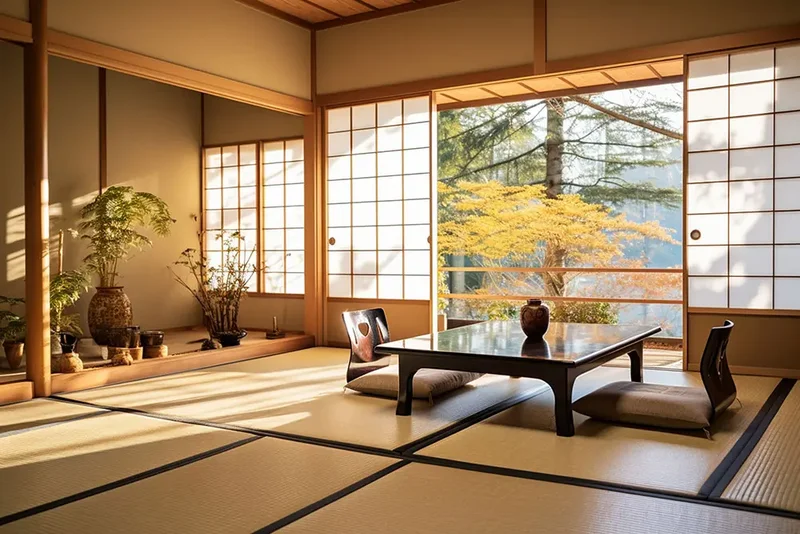
Second, we must develop facilities and programs that allow visitors to experience Japan’s rich culture and traditions. Through festivals, craft workshops, traditional performing arts, and culinary workshops, we will satisfy tourists’ cultural desires and make their IR stay more memorable. This will be a major draw for international tourists seeking to experience Japan’s “Wa” culture.
・Providing High-Quality Service and Peace of Mind
Third, we aim to achieve service standards that guarantee “safety,” “comfort,” and “convenience,” similar to those established by Singapore’s IRs. This will create an environment where visitors can enjoy their stay in Japan with peace of mind. This includes enhancing language support and providing smooth transportation options.
・Securing Diverse Revenue Streams
Fourth, we will move away from a reliance on gaming and enhance non-gaming elements such as shopping, dining, cultural entertainment, nature exploration, and wellness. This will diversify our revenue structure and enhance the overall stability and sustainability of the IR. Through a variety of attractions and facilities, we will attract visitors of all ages and interests.
・Pursuing Sustainability and Strengthening Regional Collaboration
The fifth point is to promote collaboration with local communities and regional cultures while conducting environmentally conscious operations. For example, this includes developing transportation infrastructure and aiming to strengthen coordination with the region’s overall tourism system. In doing so, we believe it is crucial to contribute to the promotion of tourism across the entire region through collaboration with local DMOs and other entities, thereby establishing a sustainable model where the Osaka IR coexists and prospers alongside the local community.
5. Summary
Given their strategic positioning and multifaceted appeal, the visitor-attracting facilities at the Osaka IR will play a crucial role that extends far beyond being mere components of an integrated resort. Drawing on Osaka’s unique strengths—including urban tourism, the history and culture of the Kansai region, and Japan’s rich natural landscapes and World Heritage sites—the Osaka IR is striving to establish itself as a “gateway-type IR for Japanese tourism” with unique advantages that rival those of major IRs worldwide.
By implementing the five strategic policies outlined above, the Osaka IR’s visitor-attracting facilities will be able to attract visitors with diverse needs—from MICE participants to general tourists, and from high-net-worth individuals to families—enrich their stays, and generate repeat visitors. The success of these visitor attractions is the key to developing the Osaka IR into a “world-class integrated resort” that contributes to enhancing the value of the entire region, ushering in a new era for Japan’s tourism industry, and further solidifying the country’s status as a tourism-oriented nation.
著者