Looking Ahead to the Post-COVID World: What Kind of Future Should We Envision? — An Interview with Tomohiro Iguchi, Representative Director of the Snow Country Tourism Region and CEO of Issen Co., Ltd.
The spread of the novel coronavirus has led to global restrictions on travel and movement, dealing a severe blow to the world economy. While tourism is often described as an activity that promotes human interaction under conditions where freedom of movement is guaranteed, we have come to realize firsthand just how crucial that freedom truly is. With preventing the spread of the virus now the top priority, economic activities related to transportation and tourism have been forced to a standstill, and cash flow has become a matter of survival for businesses of all sizes. I believe the current priority is to utilize support programs, pool all our wisdom to resume operations, and ensure our survival. However, shouldn’t we also be thinking about the “post-COVID world”? In this article, through a dialogue with Mr. Tomohiro Iguchi—Representative Director of the General Incorporated Association Snow Country Tourism Region and Representative Director of Issen Co., Ltd., who is active on the front lines of tourism—I would like to explore how we can envision a better post-COVID future from the various perspectives of those involved in the tourism industry.
1. Envisioning the Future of Japanese Tourism While Grounded in Facts
At the core of my work at this company lie the words of an executive from back when I was in the corporate PR department delivering tough financial results announcements during the Lehman Shock and the Great East Japan Earthquake. “Economic crises, infectious diseases, and large-scale disasters do more than just have a massive impact on current performance. They serve as catalysts that accelerate the pace of various changes already underway or completely transform people’s values and social norms. It is a critical management challenge to quickly grasp the nature of these changes and take the initiative.”
It is difficult to make detailed market forecasts for travel and tourism under the current travel restrictions. One major hypothesis is that trends that had been progressing gradually—namely, new services born from digitalization and deregulation, along with the accompanying new values and behaviors, the evolving nature of tourism, and generational shifts in consumption—may be “accelerated” by the COVID-19 pandemic*.Furthermore, while the number of foreign visitors in March of this year fell by over 90% (according to preliminary figures from the Immigration Services Agency’s immigration statistics as of April 14), it is possible that Japan’s tourism industry—which has expanded dramatically in recent years as a leading tourism nation—will undergo a period of scrutiny, resulting in some elements surviving and others disappearing. (*Reference: JTB Tourism Research & Consulting, “Domestic Travel by Japanese People: Evolving and Expanding Its Scope, 2019”)
However, waiting until concrete predictions become clear would be too late, and there is a lingering concern that we will be left behind in the future market if we only consider measures that are an extension of the past. Shu Yamaguchi, author of *The Era of the New Type* (Diamond Inc.), states in his book that “the future is not predicted but conceived.” Isn’t it important, then, to grasp the various small facts emerging today and freely discuss hypotheses—in other words, to conceive of the future?
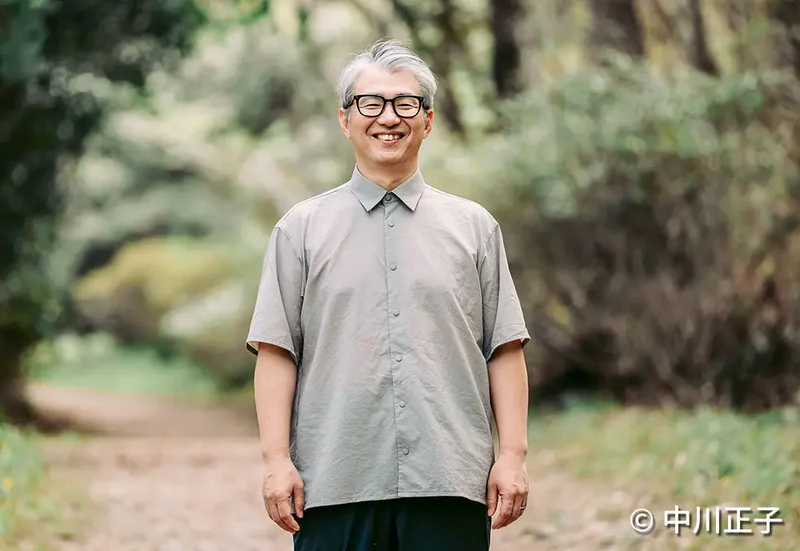
Facing such a crisis, the leader who came to mind as someone who envisions the future and drives his business forward on the front lines is Tomohiro Iguchi, Representative Director of the Snow Country Tourism Region and CEO of Issen Co., Ltd.
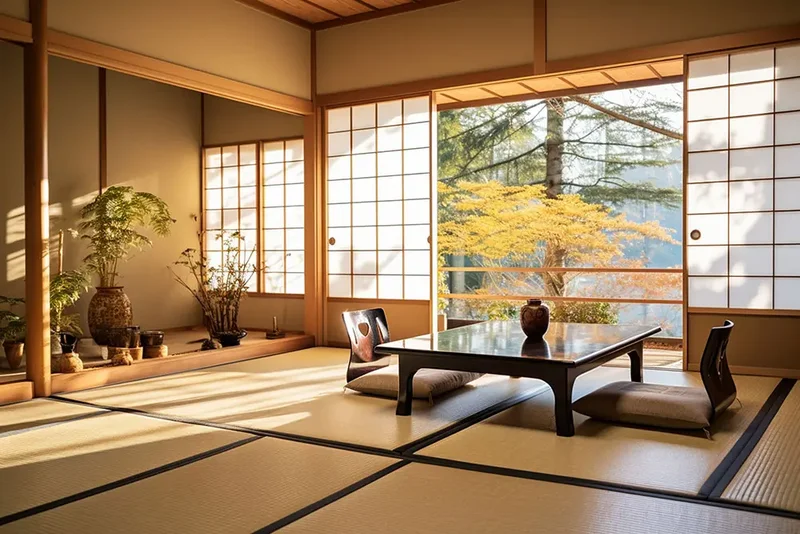
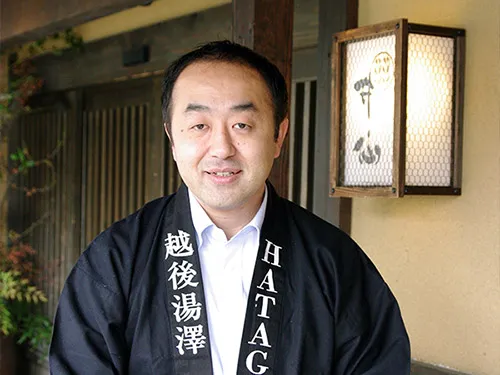
Mr. Iguchi is the fourth-generation owner of a traditional inn in Echigo-Yuzawa, Niigata Prefecture. After studying in the United States, he reopened “Echigo-Yuzawa HATAGO Isen” in 2005. He modernized the inn’s original functions and charm as a hub for interaction in a hot spring resort, introducing innovative practices for the time—such as separating lodging from dining and promoting locally sourced food—to manage the business. At the same time, viewing the ryokan as a “regional showroom,” he recognized the need for unified regional branding. In 2008, he organized the “Snow Country Tourism Region” across three prefectures and seven municipalities. In 2013, the group was incorporated as a general incorporated association, and he assumed the role of Representative Director. Currently, the Snow Country Tourism Region continues its activities as a DMO (Destination Management Organization), working to commercialize the culture of the snow country—which has coexisted with snow—as a regional asset.
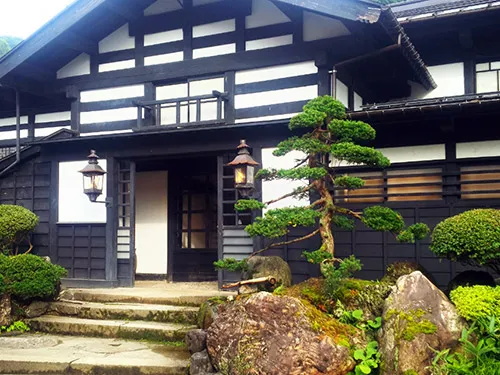
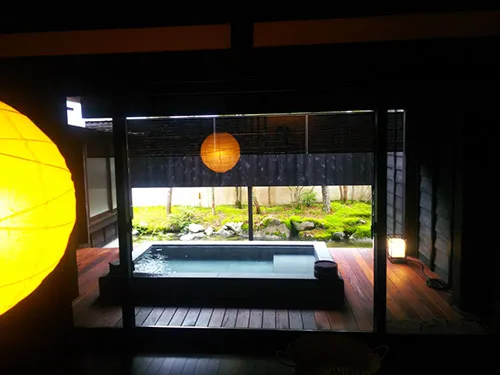
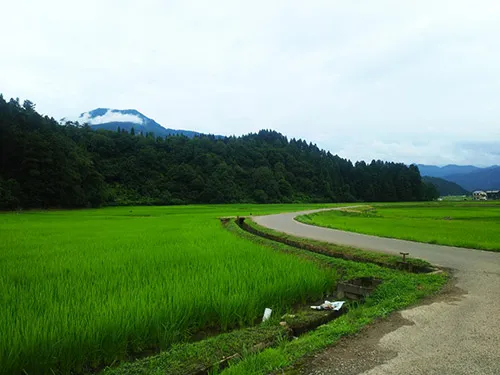
Meanwhile, a new challenge began in July 2019. We took over the operations of “Onsen Oyado Ryugon,” a long-established inn in Minamiuonuma City, located a 30-minute drive from Echigo-Yuzawa. We renovated a former residence of a wealthy farmer and samurai family from the late Edo period and opened “ryugon.” Just as we were poised to welcome international visitors drawn to the culture of the snow country, the spread of the novel coronavirus began.
I would like to hear about their current situation and share their wisdom and positive mindset here.
2. Interview with Representative Iguchi on “ryugon,” Born at a Turning Point for Tourism, and the Snow Country Tourism Region
(1) The “Ryokan 3.0 Revolution” and a Turning Point in Tourism
—Please tell us about the current situation
“Both Echigo-Yuzawa HATAGO Isen (hereinafter HATAGO Isen) and ryugon were doing relatively well this spring, but our plans have changed drastically due to the coronavirus. Currently, both ryokans have reduced their operating days by half. However, even under these circumstances, both ryugon and HATAGO Isen are preparing for the next stage. I believe COVID-19 will drastically change tourism. In particular, I predict that the role of ryokans in tourism will undergo a major transformation. Signs of this have been evident for about five years now, and I’ve taken the liberty of defining this as the ‘Ryokan 3.0 Revolution.’”
—How do you currently view tourism promotion (in the Snow Country Tourism Region) and the management of your two ryokans?
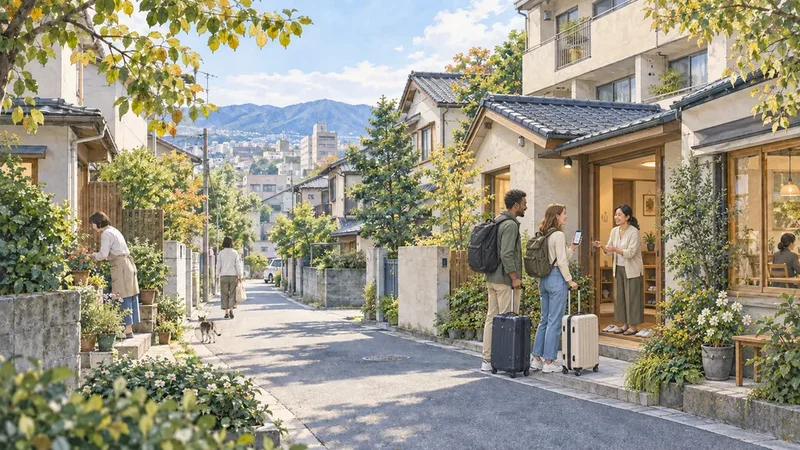
The “Ryokan 3.0 Revolution” refers to the following stages: 1.0 represents the large-scale ryokans catering primarily to group tours, which were prevalent during the industry’s early days. 2.0 refers to the small, high-end “retreat-style” ryokans that began gaining popularity in the 1990s.In both 1.0 and 2.0, staying at the ryokan itself was the purpose of the trip. However, I believe that from now on, it will be crucial how ryokans engage with travelers’ experiences within the local community. As the desire to “travel as if living there” and “blend into the local community” grows, I think the flow of people will gradually shift away from conventional tourist destinations toward regional areas where they can experience a different kind of everyday life. I define ryokans that develop while coexisting with the local community in this way as 3.0. Therefore, I believe tourism is also at a major turning point.
For the 12 years since its establishment, the Snow Country Tourism Region has centered on the unique regional value of “Snow Country culture.” By fostering various collaborations with surrounding municipalities and adopting an approach distinct from traditional tourism associations, we have created a system to develop and commercialize the region’s unique stories. In other words, we are building an “OS” (Operating System) to respond to the evolving landscape of tourism centered on the “other-than-daily” experience. At the same time, we have been rethinking the role of ryokans from the perspective of the region itself.
“Ryugon,” which opened last year in Minamiuonuma City as a traditional Japanese-style inn that embodies the essence of the Snow Country, was designed with ‘3.0’ in mind and serves as an application that functions optimally within the Snow Country Tourism Region’s OS. HATAGO Isen, however, is located right in front of the station, so it cannot be like Ryugon, which is surrounded by countryside.”
(2) The Need for a DMO That Consistently Expresses the Unique Value of the Region
—What are you currently working on?
“At ryugon, we still face challenges regarding staff maturity, but since late March, we’ve been able to steadily implement staff mindset reform and training—something we hadn’t been able to do much since opening. We’re also proceeding with renovations of the classic guest rooms and construction of a new café at this time.
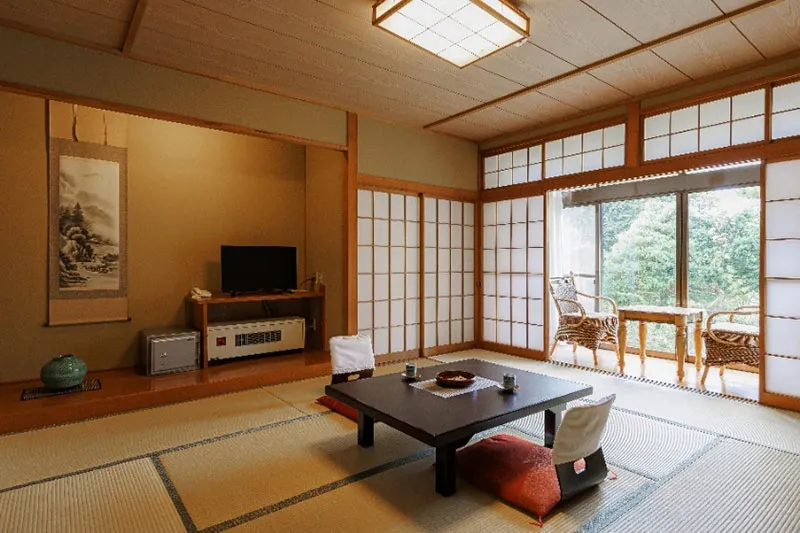
Since opening, we’ve gained a clear understanding of the subtle gaps in expectations with our guests, so we’re currently redesigning our website. Rather than promoting the facilities and cuisine—which is common for traditional inns—we’re shifting our focus to showcasing the unique way of spending time in this location. For our branding, we have deliberately chosen the term “Kominka Hotel” rather than “ryokan” or “inn.” We became convinced that “hotel” aligns better with our core philosophy as a base for experiencing the extraordinary, rather than a ryokan that offers an escape into the ethereal world of a designated Important Cultural Property.
—How do you envision the post-COVID world?
“I believe that once this pandemic subsides, people’s mindset will shift abruptly from globalism to localism. When that happens, I think the need for regions with unique value—and for DMOs to consistently express that value—will increase. This ties into the Ryokan 3.0 revolution I mentioned earlier.
In an era where how people spend their time in a region is more important than the accommodation itself, the role of a DMO becomes crucial. Until now, a single inn could attract a certain number of guests simply by telling its own story. From now on, it will be essential to establish a story for the entire region and create a system that consistently provides experiences aligned with that story. The DMO plays a central role in this, and there are limits to promoting tourism by constantly seeking guidance from the government. Although the Snow Country Tourism Region still has a long way to go in this regard, we are currently working to collaborate with like-minded local businesses and lodging facilities, with the goal of having the inns themselves act as DMCs (Destination Management Companies) to promote the region.”
—Message
“Ryugon was conceived from the perspective of the Snow Country Tourism Region, envisioning the ideal form an accommodation facility should take. I make it clear to visitors during inspections that this is not the kind of facility typically built around an owner’s personal vision or particular preferences, as is often the case with traditional ryokan. Being able to re-examine the ideal form of an accommodation facility not only from the perspective of a ryokan operator but also from the perspective of a regionally collaborative DMO has been an invaluable asset to me. Since this approach is completely opposite to our company’s previous strengths, I believe there were many things I would never have noticed if I had relied solely on the ryokan’s perspective. It’s a bit challenging right now, but I’m actually looking forward to the world post-COVID.”
3. A Post-COVID World Unlike Anything We’ve Seen Before
It is clear to anyone that the post-COVID world will bring about a shift in the landscape—that is, changes in people’s values and behaviors, as well as in the structure of society and industry. Leading economists and historians around the world are already discussing the future using keywords such as the role of technology, global fragmentation, and the surveillance society, though they also note that we are still in the stage of merely recording events. The ability to analyze various phenomena from multiple angles and organize insights will become even more critical going forward.
For example, while the environment for telework had been gradually improving due to efforts to reform work styles, its adoption accelerated dramatically following the state of emergency declaration. The same is true for online classes and seminars. Even after the COVID-19 pandemic subsides, these trends are unlikely to revert to exactly how they were before; rather, they are expected to improve and evolve into next-generation versions. As the aforementioned trend toward localism progresses and we enter the era of the “Ryokan 3.0” revolution, a time may come when the physical location of one’s work ceases to be an issue.
In my conversation with Mr. Iguchi, despite the challenging environment, terms like “recovery measures,” “support programs,” or “campaigns” never came up. Under normal circumstances, one might naturally turn to direct and rational means to achieve quick results. However, it is clear that Mr. Iguchi is a rational manager in a different sense—one who adheres to the “Three Realities Principle” without neglecting marketing.
In the world of Japanese manufacturing, digitalization and the modularization of parts have advanced to the point where even the most high-performance products are rapidly commoditized and exposed to fierce competition. In today’s marketing, the goal is no longer simply to sell; there is a growing tendency to prioritize “user experience”—that is, the experience customers gain from using a product—and the concept of “selling experiences rather than products,” over mere convenience or functionality. How does this apply to the travel and tourism industry? In my seminars, I often ask whether we’re too quick to dismiss it as mere “experience-based consumption” simply because it involves intangible elements. The statement mentioned earlier—“Instead of promoting the facilities and cuisine typical of a ryokan, we’ve shifted our focus to showcasing how guests can spend their time here”—seems to capture the very essence of the “user experience” concept used in business.
Even in difficult times, holding onto our convictions, “envisioning” a positive future, expressing that vision, and discussing it—isn’t this one of the most important things we can do right now as we look toward the post-COVID world?