The Potential for Responsible Travelers in the Spirit of "A Debt of Gratitude for a Night's Lodging and a Meal"
The phrase “a debt of gratitude for a night’s lodging and a meal” is widely used to encourage people not to forget the kindness and favors they have received from others. From the perspective of sustainable tourism, this concept is also referred to as “responsible travel.” The number of visitors—who come to these regions with respect and empathy—will continue to grow both domestically and internationally. It goes without saying that when tourists take responsibility for their actions alongside the local community, and when each individual shows consideration, this serves as the foundation for building sustainable tourist destinations.
There are countless proverbs and sayings related to travel. The phrase “a debt of gratitude for a night’s lodging and a meal” is one of them. Although it originally came from the world of gamblers, it is now widely used to encourage people not to forget the kindness and favors they have received from others. Unexpected troubles are, after all, an inevitable part of travel. When we receive kindness or help while traveling, how many of us actually take the time to express our gratitude to the person who helped us? In today’s society, where human connections are fading—partly due to the COVID-19 pandemic—mightn’t this be a lesson we should all revisit?
In recent years, the term “customer harassment” has made headlines. When consumers travel and stay at a lodging, they pay for the service. However, just because they have paid does not mean they can act however they please in violation of public etiquette or the establishment’s rules. In Japanese business culture, there is a mindset that “the customer is god,” but as this has escalated, a trend has emerged in some quarters where consumers, thinking “I’m paying for this,” impose unreasonable demands on the inn. It is necessary to reevaluate and build a better relationship where consumers and service providers respect one another.
Is Overtourism Limited to Foreigners?
In the tourism sector, attention is also focused on the number of foreign tourists visiting Japan, which is on the rise again following the COVID-19 pandemic. Over the past decade, the number of repeat visitors to Japan has continued to rise, with the percentage of foreign visitors coming to Japan two or more times reaching over 70% in FY 2022. Furthermore, the intention to revisit is stronger than it was before the pandemic, and the number of “Japan fans” is definitely growing. Among those who have already visited Japan’s famous tourist spots and finished their shopping, interest in learning about traditional Japanese culture and lifestyle is on the rise.
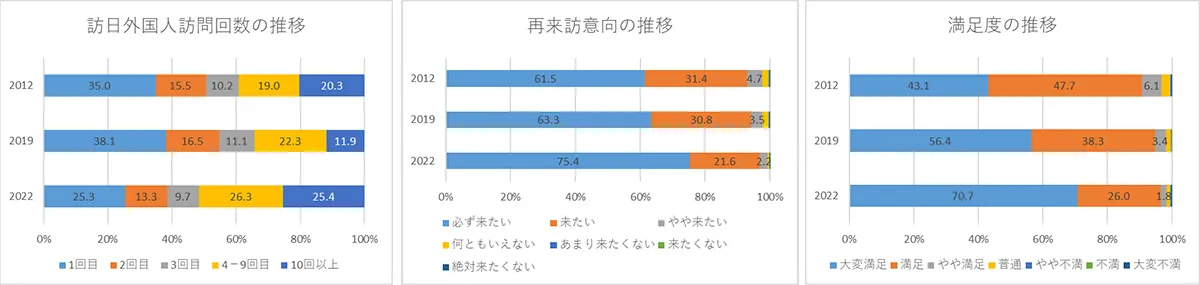
It has been one year since the spread of the novel coronavirus subsided and international tourists began returning to Japan in earnest. Foreign visitors are now flocking not only to urban areas but also to regional areas.
While concerns about overtourism (tourism-related pollution) caused by foreign tourists have recently been raised, it is not necessarily only foreign tourists who engage in disruptive behavior at tourist destinations. Last year’s domestic travel discounts for Japanese citizens had a significant effect in boosting the recovery of post-COVID travel demand, but they also served as an opportunity to highlight how Japanese tourists are contributing to local waste problems. At one tourist destination, while foreign visitors strictly observed silent dining during meals provided at traditional inns and behaved quietly in accordance with proper etiquette, it was unfortunately observed in some cases that Japanese tourists visiting under the travel discount program used the accompanying coupons to purchase boxed lunches at convenience stores, ate them outdoors, and left their trash lying around. Furthermore, due to the temporary surge in travelers taking advantage of the travel discounts, there were reports of repeat guests—so-called regulars—being unable to secure accommodations, and of them being fed up with the arrogant behavior of first-time visitors.
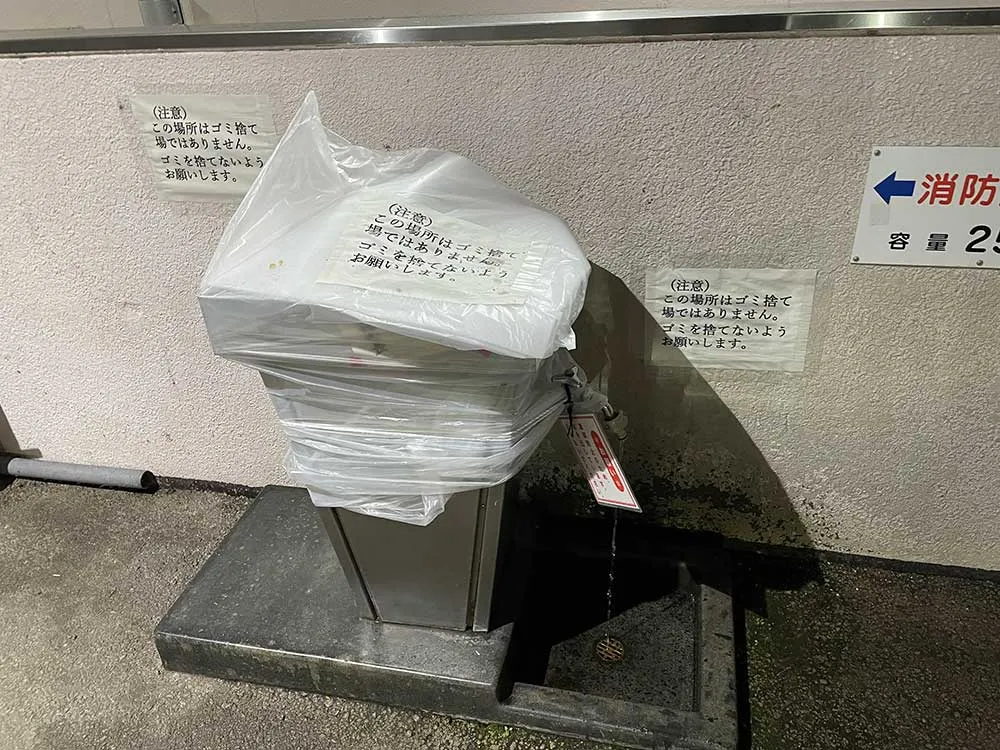
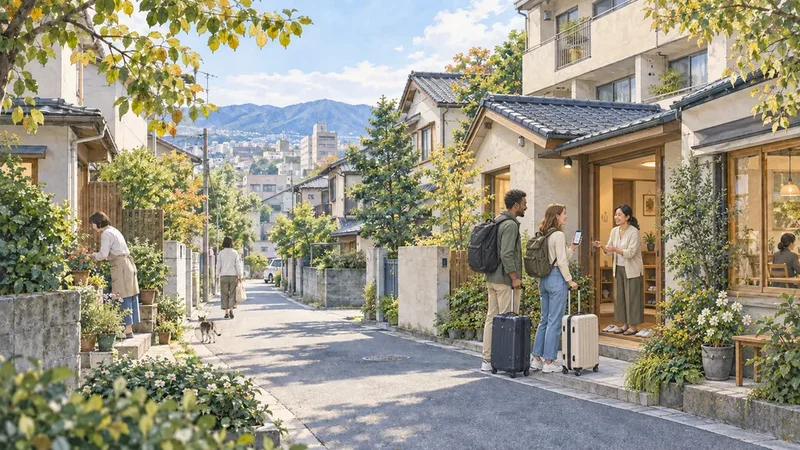
People working at tourist destinations are, in many cases, local residents. They make a living by receiving payment from tourists. However, I feel that the mindset that “tourists are always right” should be reconsidered for the sake of the healthy development of the tourism industry and, ultimately, to improve the satisfaction of the tourists themselves. Regular visitors and foreign fans of Japan visit tourist spots with a sense of respect. It is precisely because of this attitude that communication with hosts at accommodations and tourist sites flows smoothly, and mutual understanding is achieved. It is this sense of comfort that serves as a key factor in encouraging repeat visits to the region.
What Local Communities and Tourists Can Do to Ensure the Sustainability of Tourist Destinations
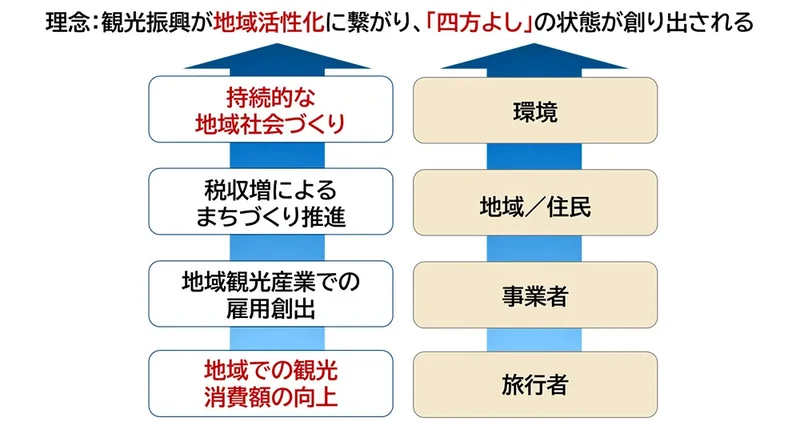
In Japan, the “Japanese Sustainable Tourism Guidelines (JSTS-D)” were established in 2020, and efforts to create sustainable tourist destinations are underway across the country. The concept of sustainable tourism has actually been implemented earlier in many other countries. People with relatively higher disposable incomes and a strong interest in environmental considerations and local culture support these initiatives, pay a fair price, and take satisfaction in knowing they have contributed to sustainable efforts. Sustainable initiatives are crucial for the survival of local communities moving forward. It cannot be denied that, in the past, the desire to please visitors sometimes led to over-accommodation, which placed a burden on the preservation and transmission of local nature, history, and culture. Furthermore, labor shortages resulting from staff reductions during the COVID-19 pandemic have also contributed to overtourism. Addressing this issue is an urgent priority for the tourism industry as a whole.
For example, if a region aims to survive as a tourist destination, it has the potential to continue as a viable destination if it operates within the capacity of its current staff—without increasing headcount—and generates enough revenue to sustain a modest livelihood. Conversely, if demand exceeds supply and we resort to short-term measures to attract visitors through overwork, both service quality and productivity will decline, potentially leading to a drop in revenue. If the goal is to become a sustainable tourist destination, it is also important to address the issues that have been overlooked amid the previous model of mass tourism and mass consumption. Even if this results in losing some visitors, carefully welcoming travelers in a sustainable manner can serve as an opportunity to rediscover the region’s natural environment and traditional culture—which have been preserved for generations—and to uncover new local attractions.
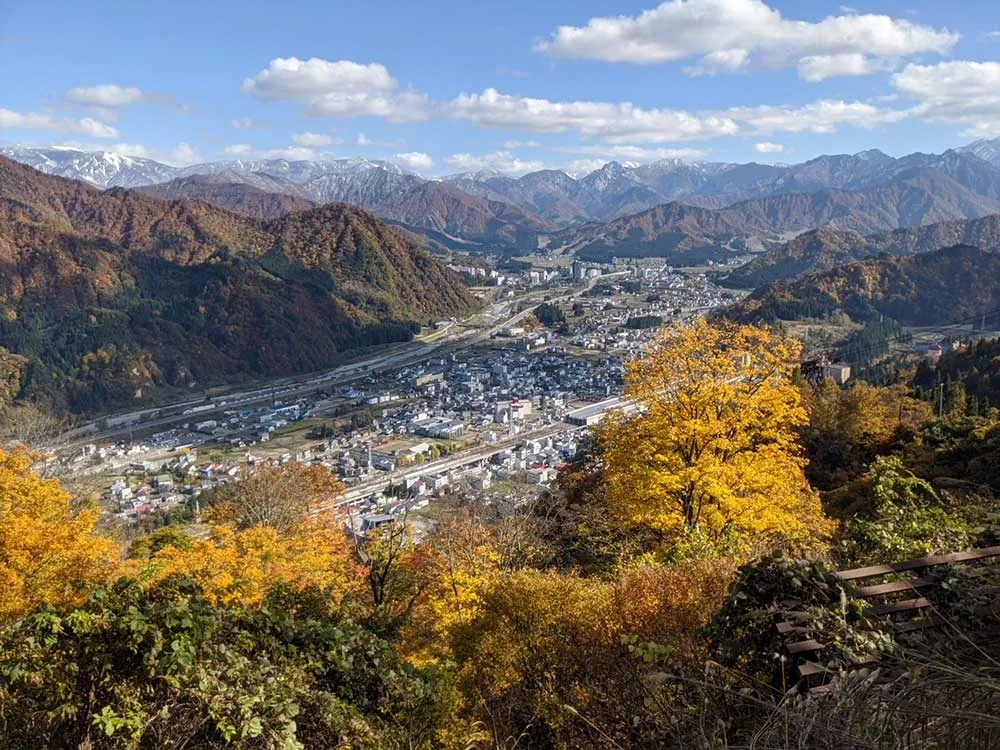
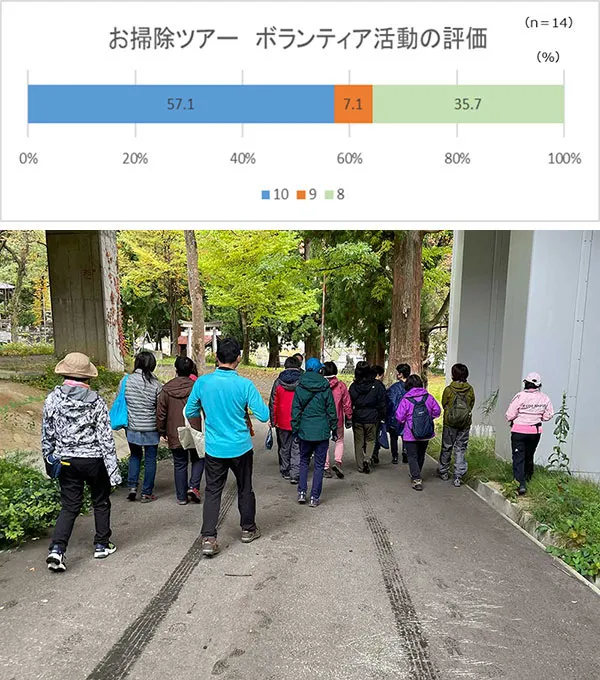
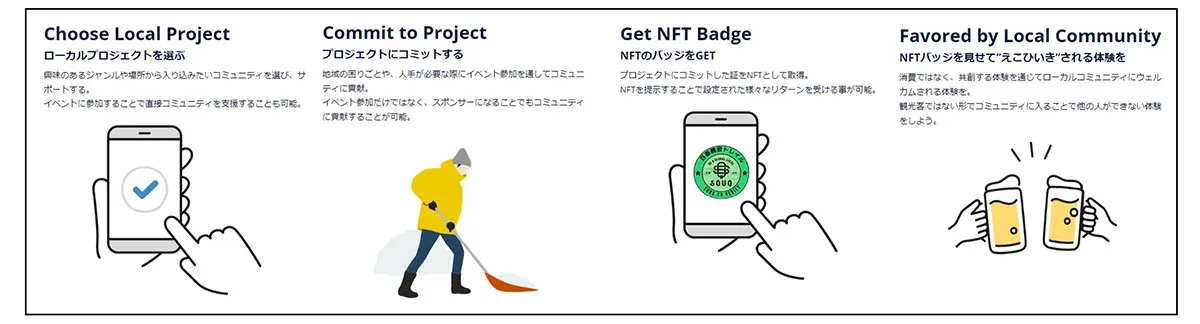
In Yuzawa Town, Niigata Prefecture, a trail route from the early Showa period—completed over 80 years ago—was revived during the COVID-19 pandemic. Amid an outdoor boom and increasing visitor numbers, the town organized a tour last year to clean the 100 Kannon statues lining the path. The smiles of participants who traveled from the Tokyo metropolitan area specifically to clean the statues were refreshing, and participant surveys revealed extremely high satisfaction rates. Furthermore, to visualize these priceless experiences and social contribution initiatives and create a system for the entire region to support them, the development and utilization of tourism NFTs (Non-Fungible Tokens) is underway. Services such as “FOUNDEE,” an NFT platform based on the concept of connecting with the local community through regional contributions, are being rolled out. It is hoped that such initiatives will help drive the potential for sustainable tourism in the region.
The number of fans visiting with respect for the region will continue to grow both domestically and internationally. While regions must meet their expectations in a sustainable manner, the visitors’ respect, empathy, and sense of mutual support toward the region will enhance their travel satisfaction. Regular visitors and fans of Japan are tourists who truly never forget the kindness shown to them through a night’s lodging and a meal. Recently, from the perspective of sustainable tourism, such people are also referred to as “responsible travelers.” They take responsibility for their own actions and, above all, visit tourist destinations with respect. It goes without saying that while initiatives led by the regions themselves are essential, the thoughtfulness of each individual tourist, like these visitors, is the source of a destination’s sustainability.