“Tourism × Food” – Exploring New Possibilities for Regional Development Through Gastronomy – From JTB Tourism Research & Consulting’s Travel Trends LIVE (Part 1)
On March 7, 2023, we held the “JTB Tourism Research & Consulting Travel Trends LIVE” event, focusing on the theme of how to leverage regional cuisine and food culture to promote tourism and revitalize local communities. We heard from Mr. Masaaki Honda, Associate Professor in the Department of Tourism at the Faculty of Regional Co-creation, Kyushu Sangyo University; Mr. Shuichi Hirakawa, Representative Director of Shinsaburo Shoten Co., Ltd., which produces “Mataichi no Shio” in Itoshima City, Fukuoka Prefecture;and Ms. Sakiko Yamada, Founding Representative of the Japan Gastronomy Society and CEO of FOOD LOSS BANK. Based on their insights, we have summarized key points regarding the approaches and challenges involved in initiatives for gastronomic tourism. This column will be presented in two parts; this is the first part.
1. “The 7th World Forum on Gastronomic Tourism (Nara Prefecture)” (Nobuo Ozawa)
Nobuo Ozawa
Senior Consultant, Global Marketing Division, JTB Tourism Research & Consulting Co., Ltd. Born in Osaka in 1974.After joining Nippon Kotsu Co., Ltd. in 1998, he worked in the sales department, the domestic product development department, and the inbound tourism division. In February 2017, he was dispatched to the United Nations World Tourism Organization (UNWTO) on the recommendation of the Japan Tourism Agency. For three years until March 2020, he served as a Senior Project Specialist in the Asia-Pacific Division, acting as the point of contact for tourism administrations in the Asia-Pacific region. Viewing the achievement of the 2030 SDGs (Sustainable Development Goals) as a catalyst, he is engaged in regional tourism planning, support for sustainability initiatives, and various research projects, with “sustainability” as his key focus.
(1) Definition of Gastronomic Tourism
The UNWTO (United Nations World Tourism Organization) has established guidelines in which it defines gastronomic tourism as follows:
“It is characterized by tourist experiences and activities linked to food and ingredients. In addition to authentic, traditional, or innovative culinary experiences, gastronomic tourism may also include other related activities such as visits to local production sites, participation in food festivals, and attendance at cooking classes. Wine tourism, a type of gastronomic tourism, involves visiting vineyards and wineries, tasting, and consuming or purchasing wine in the vicinity of wine-producing regions as the purpose of the trip.”
(2) A concise description of gastronomic tourism
The event was held for the first time in Japan in Nara Prefecture from December 12 to 15, 2022. The theme was “Gastronomic Tourism for People and the Planet: Innovate, Promote, and Sustain,” and it was attended by over 450 people from approximately 30 countries (300 from Japan and 150 from overseas).Online, there were reportedly over 1,000 participants from 125 countries. Regarding the content, lively discussions were held with invited experts on “sustainable social development,” “the use of food ingredients as valuable resources,” “promoting the active participation of young people and women,” and “the role of gastronomic tourism in human resource development.” An overview of the event can be found on the UNWTO website. To give you a brief overview of the discussions, the UNWTO Secretary-General stated, “Through this forum, it is important to share best practices from around the world to address challenges related to human resources, sustainability, innovation, and social inclusion, and gastronomic tourism can make a significant contribution.” Furthermore, the President of the co-organizer, the Basque Culinary Center (Spain), remarked, “Gastronomy faces many challenges, but at the same time, there are many opportunities. Through this forum, we have addressed the complexities of the gastronomic tourism sector and reflected its vast potential.” Furthermore, the host, Shogo Arai, then Governor of Nara Prefecture, remarked, “I believe the discussions held at this World Forum are of great importance for local communities and their sustainable development. I was inspired by the exchange of new ideas and insights provided at this forum.”
At this forum, the UNWTO and the BCC (Basque Culinary Center) presented the following 10 Key Takeaways: “① Mono no aware” conveys the idea that nothing lasts forever, and therefore we should cherish the present moment. Regarding “② Shuhari,” they discussed the nature of training and the master-disciple relationship.“③ Kaizen” literally means “improvement” and refers to refining something new into something better. “④ Omotenashi” emphasizes that the experience is what matters, and involves providing high-quality service without expecting rewards in return. “⑤ Wabi-Sabi” conveys that nothing is perfect, and we must move forward while accepting this imperfection."⑥Mottainai" means living without waste and never forgetting to be grateful for everything. "⑦Gaman" means making various efforts to break free from the status quo and being patient until then. "⑧Ichigo Ichie" means cherishing every encounter, as the same thing will never happen twice. Regarding "⑨Nature," it means we must never forget our connection to nature and further promote the concept of local production for local consumption. Finally, “⑩ Ikigai” means living passionately with a sense of purpose.
To conclude, I would like to share what I felt anew through this World Forum. Regarding “The Encounter and Synergy of Gastronomy and Tourism,” I believe it begins with visiting the region itself. I believe that by engaging with local people and culture, new values and a sense of fulfillment are cultivated. Visiting a region creates synergy between gastronomy and tourism; for example, encounters between local residents and travelers can bring a sense of happiness, satisfaction, and richness to both parties. I believe gastronomic tourism can make a significant contribution in this regard.
2. Gastronomic Tourism in Itoshima: Unraveling the Mechanisms Through Its Development Process (Masaaki Honda, Shuichi Hirakawa)
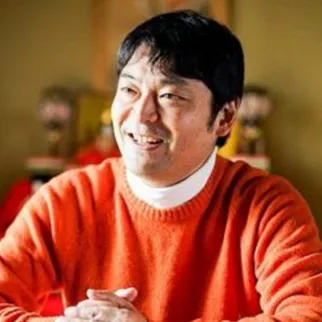
Masaaki Honda
Associate Professor, Department of Tourism, Faculty of Regional Co-creation, Kyushu Sangyo University / Representative
, Institute for Creating Lifestyles and Livelihoods Born in Hakata Ward, Fukuoka City. After graduating from the Graduate School of Engineering at Kyushu University in 2001, he worked as a consultant for regional and urban development, engaging in collaborative and exchange projects between universities and local communities, including the Kyushu University Academic Research City Initiative and the planning and operation of cultural and arts facilities such as the Kyushu Art and Culture Center. He became independent in 2018 and established the “Institute for Creating Lifestyles and Livelihoods.” Centered on Itoshima City, Fukuoka Prefecture, he works on problem-solving projects in communities struggling with a decline in local leaders and issues such as noise and traffic congestion caused by tourists. In 2022, he was appointed Associate Professor in the Department of Tourism, Faculty of Regional Co-creation at Kyushu Sangyo University, where he implements problem-based learning (PBL).
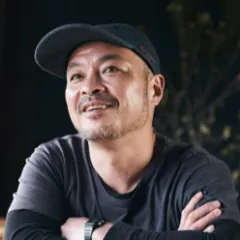
Mr. Shuichi Hirakawa
Representative
, Shinsaburo Shoten Co., Ltd. Born in Jonan Ward, Fukuoka City. Beginning at age 20, he gained experience as a chef in London, Sweden, and Canada. After returning to Japan, he worked as a Japanese cuisine chef. In 2000, he established “Kobo Tottan” in Itoshima City to produce “Mataichi no Shio” and began making salt. In 2006, driven by a desire to share the deliciousness of salt, he opened “Gohan ya Itaru.” Subsequently, in 2020, he opened “sumi cafe,” a spot for light meals, and “Shinsaburo Shoten,” a general store, on the same premises. In 2021, he opened “Oshinochiita Salt Soba.”
(1) About Itoshima
Itoshima City is located west of Fukuoka City and has a population of approximately 100,000. While some people may think of Itoshima as an “island,” it is technically a peninsula. Because it borders Fukuoka City, transportation is convenient: it takes about 30 to 40 minutes by car from downtown Fukuoka, and you can reach Fukuoka Airport via a direct train.
(2) Tourism in Itoshima
One of Itoshima’s defining features is the “sea.” People living near Fukuoka City tend to view it as a “town with beautiful seas,” much like Okinawa or Hawaii. Another key feature is its craft workshops. Many creators live here, and events such as craft festivals are held regularly. There are over 80 workshops located within the city, and many artisans produce leather goods, accessories, and woodwork. From another perspective, it is also characterized as a “place where the sun sets over the sea,” hosting music festivals and sunset concerts. As such, it gives the impression of being a “town that attracts young people.” Furthermore, it possesses the significant appeal of “farm-to-table” and “food,” which is the main theme of this seminar. A vast amount of “flowers,” “vegetables,” and “fruits” are also produced here. Among these, the “Ito Saishi” farmers’ market is the top-selling JA direct sales outlet in Japan, and there are other direct sales outlets generating over 400 million yen in sales. In this way, I believe Itoshima’s appeal is built on “diversity.”
(3) The Appeal of Itoshima’s Food
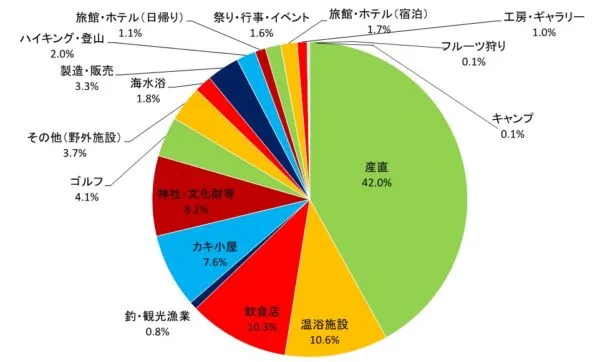
Before delving into the appeal of Itoshima’s food, I would like to examine what percentage of visitors’ purposes for coming to Itoshima is related to food. Looking at the percentage of visitors to Itoshima by purpose, those visiting for farm-to-table shopping account for over 40%. When we include those visiting restaurants and oyster huts, we see that nearly 60% of visitors come to Itoshima specifically for food. Furthermore, when we look at the data by age group, we see a consistent number of people visiting for food across all age groups from their 20s to their 60s. Thus, the broad appeal across age groups is another characteristic of Itoshima’s food culture.
As mentioned earlier, the variety of food is also diverse, with a wide range of vegetables, fish, and other products being produced and harvested in Itoshima. Even for barbecues, most ingredients can be sourced locally. There is also a rich variety of citrus fruits, possibly numbering over 20 types. Regarding processed foods, all livestock products are processed by the producers themselves, offering a full range from dairy products to ham and sausage. Regarding seasonings, there is a strong emphasis on quality, not only in salt but also in sake and soy sauce. Regarding the
concept of gastronomic tourism, some researchers distinguish it from food tourism (which focuses on produce and food/drink) and culinary tourism (which focuses on cooking and cuisine). In that context, I believe the distinctive features of gastronomic tourism lie in food culture and local character (regionality).
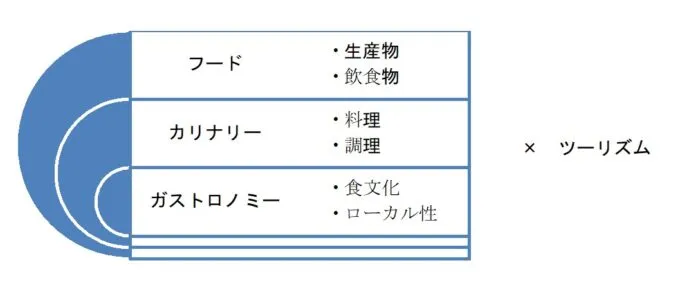
Gastronomic Tourism Source: Reprinted from Takeo Oie (2017), “A Study on the Development of Food Tourism Based on the Concept of Gastronomy”
On the other hand, it can be said that Itoshima is relatively weak in terms of food and food culture rooted in history and tradition. While there are traditional local dishes such as “Somen-chiri,” the reality is that these are only eaten locally and are unknown to tourists. So, what is it that attracts visitors? It is, after all, the diversity of ingredients and the regional character. The coastal scenery, the personalities of the local residents, and the proximity to the city are also attractive features.
(4) Promotion of Itoshima’s Appeal and Development Process
Looking at the trend in tourist arrivals in Itoshima City, the number of visitors actually began to increase only recently, starting in 1995. Until then, there weren’t many tourists, and Fukuoka City residents generally viewed it as a place visited only during the summer for swimming. It didn’t become known nationwide until around 2013. Even so, since people from within Fukuoka Prefecture account for 80% of visitors, it seems that the pattern of leisure travel (such as swimming and fishing) from nearby areas like Fukuoka City has not changed. Until around 1990, there were virtually no visitors coming for gastronomic experiences.
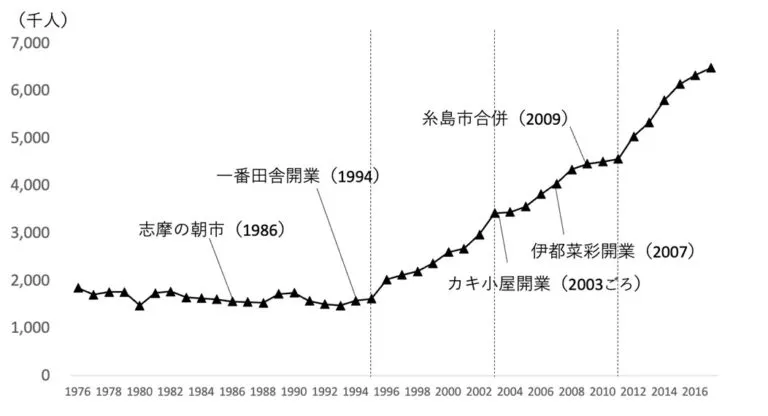
in Tourist Arrivals in Itoshima City Source: Compiled by Mr. Honda based on the Fukuoka Prefecture Tourist Arrival Estimation Survey (1976–2017)
The turning point in this situation was the severe damage to rice crops caused by the brown planthopper*) in 1985. At the time, pesticides were being used in Itoshima’s rice farming, and about 30% of the total crop was affected. In contrast, neighboring Fukuoka City had been working to reduce pesticide use, and damage from the brown planthopper was limited to just 0.3%. In response to this situation, Itoshima also began working to reduce pesticide use. Farmers began holding study sessions and seminars, and started using “insect observation boards” to make their own decisions about whether to apply pesticides. Furthermore, farmers adopted methods such as duck farming, cultivated red and black rice—varieties developed from ancient rice strains—practiced organic farming, and implemented no-till farming (natural farming) where weeds and vegetables are indistinguishable. This diversity in agriculture is also being nurtured in Itoshima.
*) Leafhoppers (Oryzophilidae) are insects that cause significant damage to rice harvests and transmit viral diseases to rice (source: National Agriculture and Food Research Organization website).
In parallel with these developments, morning and evening markets began in the late 1980s. These markets allowed producers to sell vegetables, fish, and other products directly to consumers, and by the 1990s, they had expanded to more than 10 locations. At these venues, producers and consumers established direct connections, enabling producers to listen to consumer needs and fostering cooperation among producers who might otherwise have been competitors. Spurred by these morning and evening markets, producers have continued to evolve. For example, livestock farmers who used to sell at morning markets have established their own direct-sales outlets and are now also operating restaurants and community gardens. Additionally, one vendor who sold oysters at the morning and evening markets built a plastic greenhouse and began serving grilled oysters in response to customer requests asking, “Please grill the oysters for us.” Today, the number of oyster huts operating in this style has grown to nearly 30 in Itoshima. In this way, various initiatives inspired by the morning and evening markets have emerged in Itoshima.
Another noteworthy point is that Itoshima’s producers are deeply committed to environmental conservation. As mentioned earlier regarding reduced pesticide use, in the fishing industry, they conduct cleanup activities to remove the large amounts of trash washing up on the coast, and they engage in reforestation efforts to return nutrients to the forests with the aim of protecting marine resources. These activities are spearheaded by the fishing cooperatives. In this way, Itoshima has been actively engaged in environmental conservation efforts from an early stage.
Finally, I would like to explain how Itoshima came to be known throughout the country. The catalyst was the 2011 publication of the book *Fresh from Itoshima*, written by freelance writer Mariko Yoshimura. Inspired by this book, which highlighted local dedication and initiatives, the women’s magazine *Katei Gaho* featured a special section on Itoshima. Over approximately six pages, the article showcased the appeal of Itoshima’s local ingredients. Subsequently, led by the City of Itoshima, the “Itoshima Marche” was held in Ginza, Tokyo, in January 2013 to sell a variety of local produce. This event sparked requests to participate in other markets across Tokyo and attracted media coverage from outlets nationwide. To summarize
the structure of Itoshima’s gastronomic tourism, it can be said that the city’s strength and unique characteristic lie in its solid foundation of agricultural and fishing producers, resulting in a diverse array of ingredients. This has created a cycle where producers themselves learn about consumer needs and collaborative efforts among fellow producers, leading them to gradually expand their businesses into processing and food service. This trend extends to salt production as well, with initiatives ranging from salt-based puddings and processed goods to collaborations with restaurants and food service establishments. In this way, Itoshima is characterized by producers actively transforming their business models and taking the initiative themselves.
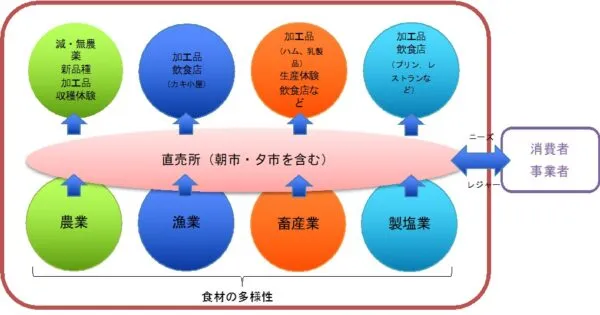
(5) Various Food Offerings and Initiatives Centered on Salt Production
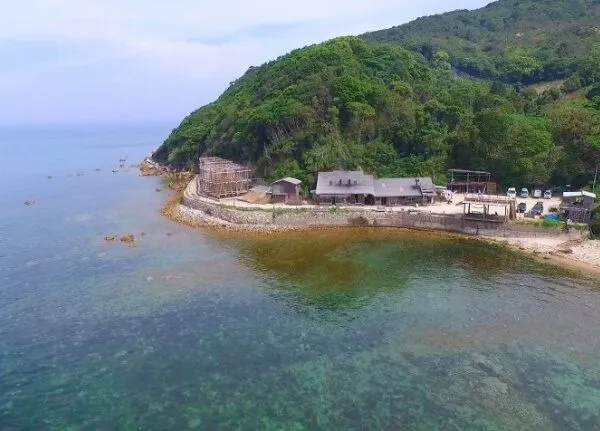
I (Shuichi Hirakawa) have been pumping seawater to produce salt at the western tip of Itoshima for about 22 years. Salt was so commonplace that its perceived value was very low, but I focused first on how to elevate the value of such a low-value commodity. I created a process where visitors would first become interested in the salt-making facility itself, then gain an understanding of the process of extracting salt from seawater through my explanations, and finally purchase the salt. However, since the selling price cannot rise if the value of the salt remains low, I aimed to add value to it and launched a restaurant business. We also worked to raise awareness by creating various products featuring salt. Specifically, about 10 years ago, we launched a product called “Salt Pudding”—a dessert topped with salt—and because people could enjoy it while looking out at the ocean, we began attracting customers of all ages from all over the country.
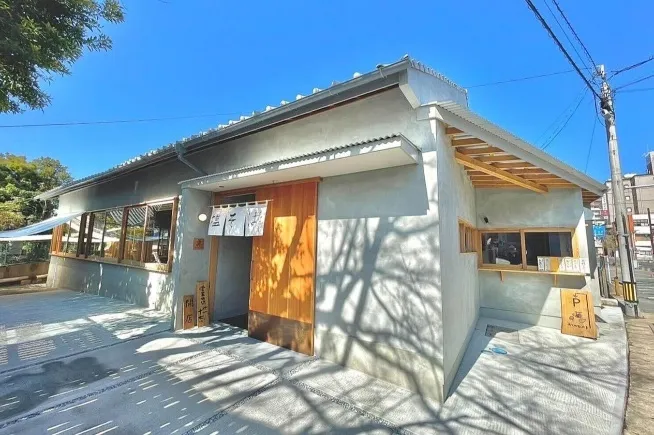
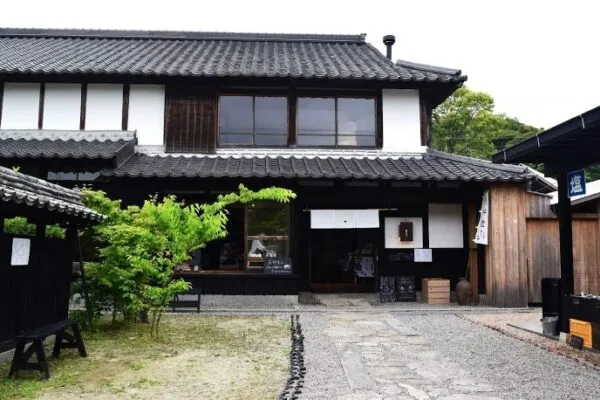
As for dining options, we operate “Gohan-ya Ital,” located about a 20-minute walk up the mountain from the saltworks. We renovated a building that’s about 130 years old, and it has become a place where people can enjoy salt. We cook pesticide-free rice sourced from the neighborhood in a traditional cast-iron pot and serve it as salted rice balls. Since we are Japanese, I think rice balls are the most straightforward way to enjoy salt directly. We
also have a salt soba shop called “Oshinichiita” right next to the station. It’s more like salt ramen than salt soba. The soup is designed to bring out the flavor of the salt to the fullest. While it’s chicken-based, we use seafood and vegetable broths to create a fairly light and refreshing broth. Since everyone has their own preference for saltiness, we let customers enjoy it with as much salt as they like.
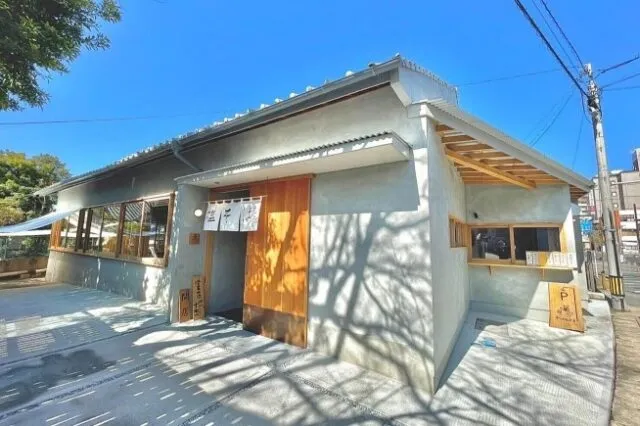
Although we’re located on the outskirts of town, we welcome about 200,000 customers annually. While we see many visitors on weekends, weekdays attract those looking for a more relaxed experience. As for the ratio of people buying pudding versus salt, over 70% come for the pudding. Since our main product is salt, we even have older customers who make the trip from far away just to buy it.
Finally, I’d like to explain our sea urchin farming. Having produced salt by the sea for 20 years, I naturally feel the changes in the ocean up close. When I sense changes in the sea—such as the decline of coastal vegetation or rising sea temperatures due to climate change—I can’t help but wonder what we can do. Since sea urchins feed on seaweed, their proliferation leads to a decrease in seaweed, which in turn reduces the population of small fish that lay their eggs on the seaweed. On the other hand, when we crack open the sea urchins we catch, we often find them empty—in this state, they’re useless. So, we wondered if we could turn them into a marketable product and decided to try farming them on land. It’s still in the experimental stage, but if we can commercialize these sea urchins (for example, by using them on rice balls), we believe we can give back to the fishermen and help preserve the marine environment.
(6) Summary
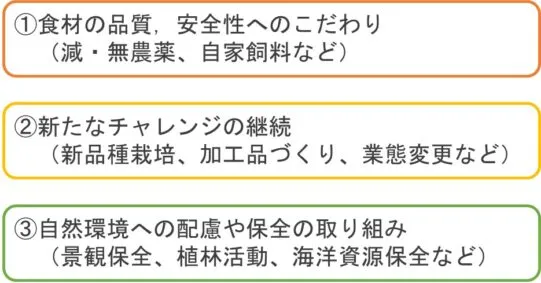
To summarize Itoshima’s gastronomy, I believe its regional character is its greatest asset. While the natural scenery is certainly beautiful, what I particularly want to emphasize is that the producers’ commitment to their work is what truly defines Itoshima’s regional character. As I mentioned at the beginning, it goes without saying that they are committed to quality and safety through reduced-pesticide and pesticide-free farming, as well as using their own feed. However, what is truly distinctive is that producers are taking on new challenges, such as cultivating new varieties, creating processed foods, and changing business models, as discussed in the second point. Furthermore, regarding environmental conservation—the third point—producers are also very enthusiastic about initiatives to protect and preserve the natural environment. I believe these efforts ultimately contribute to the appeal of Itoshima’s cuisine.