“Tourism × Food” – Exploring New Possibilities for Regional Development Through Gastronomy – From JTB Tourism Research & Consulting’s Travel Trends LIVE (Part 2)
On March 7, 2023, we held the “JTB Tourism Research & Consulting Travel Trends LIVE” event, focusing on the theme of how to leverage regional cuisine and food culture to promote tourism and revitalize local communities. We heard from Mr. Masaaki Honda, Associate Professor in the Department of Tourism at the Faculty of Regional Co-creation, Kyushu Sangyo University; Mr. Shuichi Hirakawa, Representative Director of Shinsaburo Shoten Co., Ltd., which produces “Mataichi no Shio” in Itoshima City, Fukuoka Prefecture;and Ms. Sakiko Yamada, Founding Representative of the Japan Gastronomy Society and CEO of FOOD LOSS BANK. Based on these discussions, we have summarized key points regarding the approaches and challenges involved in initiatives for gastronomic tourism. This column is scheduled to be published in two parts; this is the second and final installment.
3. Panel Discussion: The Potential of Tourism Utilizing Local Cuisine and What Is Expected of Local Communities (Masaaki Honda, Shuichi Hirakawa, Sakiko Yamada, Hiroaki Makino (Moderator))
(1) Impressions from Participating in the “7th UNWTO World Forum on Gastronomic Tourism (Nara Prefecture)” (Ms. Sakiko Yamada)

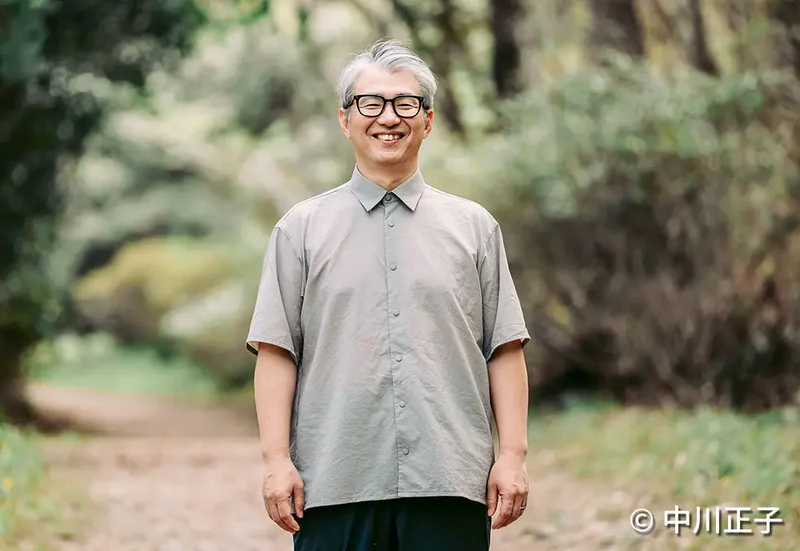
Ms. Sakiko Yamada
Founding Representative, Japan Gastronomic Society (General Incorporated Association
) / CEO, FOOD LOSS BANK Appointed as the founding representative of the Japan Gastronomic Society (the first in Asia) by the International Gastronomic Society. Founded FOOD LOSS BANK in 2020, which became teaching material for UN Masterclasses and is distributed worldwide. Has successively realized collaborations with high-end brands such as Armani, Bulgari, Gucci, and the Palace Hotel, building a model that makes sustainability sustainable. In addition to serving as Senior Strategic Advisor for CHANGE (SDG 5) at Los Angeles City Hall, she holds numerous concurrent roles, including Producer for the Cabinet Office’s CJPF and member of prefectural committees. She has also received awards as the representative of a film production company. She has been honored with the Japan Times Sustainable Award, the LVMH Boub Clico “Influential Women Award,” and many other accolades. In 2022, she was awarded an order of merit by His Majesty King Felipe VI of Spain.
Regarding this UNWTO forum, I actually had the opportunity to speak at it a year prior as well. At that time, in addition to a one-hour keynote speech, I participated in a panel discussion with Governor Arai of Nara Prefecture (at the time) and Mr. Motohiro, Representative of the UNWTO Office in Japan. At this year’s forum, I felt there were quite a few themes related to food and tourism in the context of the SDGs. For example, there was a commitment to include at least one female chef, and on my panel, the themes centered on food loss and sustainability. Beyond the obvious concerns of “deliciousness” and “attracting visitors,” tourism inevitably generates greenhouse gas emissions, so I believe a major theme was how to offset those emissions. Also, while air travel is often associated with tourism, it actually accounts for only 1.4% of greenhouse gas emissions. In contrast, cars as a whole account for 10%, food loss for 8.2%, and the food system as a whole accounts for 21–37%. While this is a significant global issue, in Japan, English-language literature that is widely read internationally is not widely read here. Instead, domestic government statements and media reports tend to be the primary sources of information, and understanding and judgment are often based on these. The figures I just mentioned are highlighted extensively in the IPCC (Intergovernmental Panel on Climate Change) Sixth Assessment Report, and while this is common knowledge globally, awareness in Japan lags significantly behind. With the UNWTO forum held in Japan this time, I believe awareness is finally beginning to grow here as well.
(2) What is necessary and what should be noted to make food and food culture the primary purpose of tourism?
What strategies, approaches, or points of caution and key considerations are necessary to make food and food culture the primary focus? For example, when serving elaborate dishes or using high-end ingredients, prices inevitably rise, making them less accessible to the general public. Additionally, since high-quality ingredients tend to be shipped to major consumer markets, it may be difficult to enjoy them locally. Furthermore, while some places overseas provide detailed explanations before meals about the ingredients and their connection to the region (food culture), should we do the same in Japan? Additionally, should we add value by incorporating elements beyond just food?
<Mr. Shuichi Hirakawa>
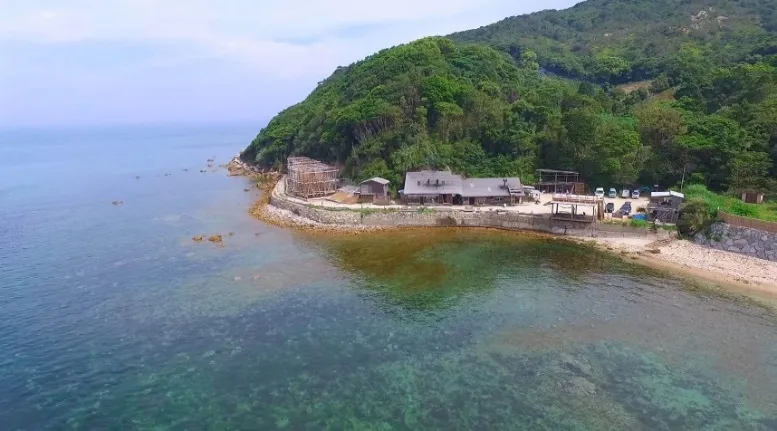
Since Itoshima is a major food-producing region, our first goal is to attract visitors specifically to experience our local produce. If we simply ship our products to consumer markets, we’ll lose out in price competition against goods from their original regions of production. Therefore, we want people to come here to see and taste the variety of local products for themselves. There is also the concept of “food miles,” and for nearly 20 years, we have been working to encourage people to consume as much as possible right here in Itoshima. As a result, and partly because we are located near major cities, we have been able to attract visitors. Furthermore, our success in cultivating a wide variety of crops has made the name “Itoshima” known throughout the country.
I focus on serving ingredients harvested in Itoshima, and I believe the most important thing is for our guests to experience that. Also, who you eat with and where you eat are very important, so I strive to create an environment that makes the food taste even better. Of course, I put my heart and soul into making these dishes, so they’re delicious to begin with, but by adding that extra touch of atmosphere, I believe guests will feel the flavor is enhanced by several times over.
<Ms. Sakiko Yamada>
One of the main reasons foreign visitors come to Japan is the food, and it can be said that food is inseparable from tourism. When I speak with officials from the prefectural government and others, everyone brings brochures and says that every prefecture has “delicious food” and “beautiful scenery.” Unfortunately, however, all 47 prefectures in Japan have delicious food, scenic beauty, and wonderful attractions. Given that, from an inbound tourism perspective, our main competitor is Kyoto. If visitors are only staying in Japan for a few days, it’s crucial that they choose to visit our prefecture over Tokyo or Kyoto. To make them feel that they want to visit us more than other tourist destinations, it’s essential to establish our own identity. While this doesn’t necessarily have to be about food, I believe the specific actions each prefecture should take will depend on what that identity entails.
Also, when people hear the word “gastronomy,” they often think of something high-end. However, “gastro” means “stomach” and “nomy” means “knowledge,” so we at the International Gastronomy Society define gastronomy as “gaining a proper understanding of the stomach.” And what’s important is the idea of “let’s all enjoy a delicious meal together. ”For example, when we travel to the South of France, we probably don’t feel the need to go all the way to France just to eat Japanese food, do we? We naturally want to eat the delicious local fare, so to help people understand the region, I believe it’s important to offer foods that can only be eaten there—foods that are locally sourced and sustainable. I think it’s incredibly important to learn more about what makes our own region special and what tastes best, and to take pride in that. At FOOD LOSS BANK, where I serve as CEO, we actively purchase produce—such as edamame from a farmer that yields only one pod instead of three—and collaborate with restaurants in Tokyo like Armani, Bulgari, and Gucci, as well as luxury hotels like the Palace Hotel and the Imperial Hotel, to provide these products. We’re not just raising awareness about the regions of origin; we’re also implementing initiatives where restaurants explain the origins of the ingredients and encourage customers to actually visit those places. We collaborate with various regions based on the philosophy that if people first become interested in the origin through the ingredients and eventually visit the area to eat there, the food is bound to be delicious. This creates a win-win relationship for both Tokyo restaurants and the producing regions.
(3) How to Approach the Stable Supply of Food
When developing travel packages, a stable supply of local food is essential. If customers cannot eat what they were looking forward to at their destination, they will be disappointed. To use a non-food example, it’s akin to joining a tour to see the Northern Lights but not being able to see them. Consequently, travel agencies often find it difficult to use the phrase “Northern Lights viewing” in their promotions. The same applies to food: for travel agencies, promising that guests will “enjoy delicious, freshly harvested vegetables and seafood” carries a risk, and for the region itself, it could potentially damage its image. How, then, should we approach the issue of a stable food supply?
<Ms. Sakiko Yamada>
I don’t believe a stable supply is necessary. Of course, I recognize there are situations where it is essential, but the key question is “what are we seeking?” For instance, while a stable supply is certainly necessary for large groups such as school field trips or MICE events, when it comes to natural phenomena like aurora viewing or whale watching, I believe participants are aware of the risk that they might not see the phenomenon. Therefore, I don’t think the number of tourists will decrease even if they don’t get to see it. With that in mind, we need to consider how to market these experiences, and I believe this puts the spotlight on how travel agencies approach their marketing and promotion. I view food as another aspect of natural phenomena, so I think we need to consider how to make meals exciting while preparing for crop failures or poor fishing seasons caused by natural disasters. To achieve this, I believe we should actively utilize non-standard products. For example, regarding the Ezo deer problem, 6,000 hectares of forest are ravaged every year, resulting in annual damages of 4 billion yen. Given the reality that tens of thousands of deer are culled to prevent this, I believe there is merit in the idea of offering these deer as high-nutritional-value game meat. Since the issue of pest control is quite serious, I would appreciate it if travel agencies could collaborate effectively on this. It’s good for the environment, customers can enjoy delicious game meat, travel agencies can secure a stable food supply, and ultimately, this contributes to society. Looking at it
from the opposite perspective, if people can consistently enjoy high-quality local products at any time, their value might actually decrease. Therefore, I think it’s acceptable to adjust the offerings based on the purpose of the trip and the target audience. As a travel agency, I believe it’s important to help customers understand that this is a natural phenomenon while also figuring out how to make the dining experience appealing.
<Mr. Masaaki Honda>
I share this view. If we prioritize quantity, there is a very high likelihood that this will lead to mass production and mass consumption rather than stability and a reliable supply. Conversely, I believe we should now seek to have consumers understand and accept the inherent instability and risks, and we need to explain these points carefully. We produce a variety of things in Itoshima, but the quantities are inevitably small. I believe demand for food will continue to change rapidly in the future, so we all need to adapt. As for whether we can invest in ensuring a stable supply, I think that would be quite difficult. In Itoshima, we’ve chosen to produce on a small scale and constantly adapt, so in that sense, I believe it’s a region unsuited for a stable supply.
<Mr. Shuichi Hirakawa>
I mentioned sea urchins earlier, but in our field, we really feel the environmental changes very strongly. For example, if the sea temperature rises by 2 degrees, fish that used to be caught near Kagoshima will start being caught in the Genkai Sea (the northernmost part of Kyushu). That’s how rapidly changes in the ocean are occurring right now. Many local residents share this sense of crisis, and when considering future food security, I believe aquaculture could be one solution. However, as a production area, there are limits to how much we can produce, so the ideal scenario is for visitors to enjoy what we have to offer when they come here.
(4) What is the required division of roles when pursuing gastronomic tourism?
Gastronomic tourism, which utilizes food and food culture, is difficult for individual businesses to undertake alone; I believe it must be promoted by the entire region. In addition, I believe it is necessary to incorporate the additional perspective of sustainability, develop human resources, and improve working conditions for chefs and others. Furthermore, leveraging the region’s history and culture is also likely to be effective. Considering this, I believe that by sharing roles not only among those in agriculture, fisheries, and tourism, but also by involving people from other industries and local government, we can ultimately generate economic benefits for the region. What kind of division of roles would be desirable?
<Mr. Masaaki Honda>
In the case of Itoshima, I get the impression that the division of roles has worked out very well. However, although I didn’t mention this earlier, Itoshima has actually repeated failures many times in the past. For example, in the 1970s, they attempted to launch community-based experiential farms and green tourism initiatives, but it was too early in the day, and they were unable to achieve results. Based on that experience, the local government stopped taking the lead and instead focused solely on supporting the activities carried out by private operators at morning and evening markets. This approach helped the initiatives get on track. Initially, the government provided operational subsidies, but it gradually stepped back, allowing the operators to become self-sustaining. I believe the government’s response was very effective. As for the farmers, while using pesticides would be the better option for short-term profits, they prioritize local environmental conservation and are actively reducing pesticide use. In this way, business operators are enthusiastically committed to environmental conservation from their own perspectives.
Producers became self-reliant early on, and many other organizations also acted with foresight. I believe what made Itoshima successful was that everyone recognized their respective roles and, from the very beginning, skillfully identified and implemented the necessary actions. Furthermore, we—producers, researchers, community development practitioners, and government officials—have a loose network of about 30 to 40 people, and we can sense that everyone is engaged in a process of trial and error. Through this, we motivate each other to keep striving, introduce new people to one another, and mutually elevate our efforts.
<Mr. Shuichi Hirakawa>
I believe the success of Itoshima is the result of each business operator diligently nurturing the seeds that the local government has sown over the years. There is a unique environment here in “Itoshima,” and I think many people who moved here, like myself, started their ventures based on the question, “What can I do with this land?” I believe that is one of Itoshima’s strengths.
This month (March 2023), we have three private tours from Europe and the U.S. scheduled to visit Japan. These tours, which take about 20 days to traverse Japan from north to south, have been running for about seven years. They are food-focused, designed to help participants get to know the regions—including Itoshima—while experiencing Japan through authentic local meals. When they stop by our place, we do take allergies into account to some extent, but we serve the same Japanese-style meals we would normally offer in a restaurant, and this has been very well received. We’re simply serving what we have here, but I believe experiences like this will continue to be necessary in the future.
<Ms. Sakiko Yamada>
I believe there are two types of gastronomic tourism: those led by the government and those initiated voluntarily by the private sector. To give one example, San Sebastián in Spain, often called “the world’s greatest culinary city,” has a population of about 180,000. It has no World Heritage sites or famous scenic spots, and in the past, it was a place where tourists rarely visited. However, the fact that it became such a renowned culinary destination was truly due to the power of the government. The government promoted urban development in the Basque region, including San Sebastián, based on the three pillars of “food,” “art,” and “architecture.” By building the Guggenheim Museum and implementing comprehensive city branding, they decided to specialize particularly in tourism centered on food. In Japan, we tend to view “having a little of everything”—“we want this, we want that, we have this, we have that”—as a positive trait, but I believe it’s also important to specialize, as San Sebastián did. However, I believe government-led initiatives are a special case. Whether in Japan or abroad, I think the government’s role is often primarily to support the private sector. To give another example, I am currently serving as a judge for the “Gifu Treasures” certification program at the request of the Governor of Gifu Prefecture. I was asked to join the panel because they needed someone who could judge from a sustainable perspective. The “Gifu Treasures” program has now incorporated a sustainable perspective into its selection criteria. It’s important to note here that sustainability isn’t just about environmental conservation; business sustainability is also crucial. We need to consider how to manage operations to ensure the business can continue. I believe the government is taking the lead on this front. On the other hand, local communities and those on the ground (the private sector) understand their own situations best, so I think it’s best if someone can effectively communicate that perspective to the outside world.
One area where I believe the public and private sectors should collaborate is food diversity. I feel that Japan still lacks sufficient awareness in this regard. You might think, “Japan does have food diversity,” but that simply refers to the variety of cuisines (such as Chinese or French) available for Japanese people to enjoy. As mentioned earlier regarding allergies, awareness of such risks is low in Japan, and people visiting from overseas say, “Allergy issues are too scary. ”The current situation in Japan is that prefectures are competing for visitors who have already arrived from overseas. However, the real problem is that despite food being the number one reason people visit Japan and its prefectures, the lack of allergy and halal accommodations means Japan is being excluded from their list of travel destinations in the first place. Therefore, I believe we need to implement measures to address this. Studies show that by 2030, one-quarter of the world’s population will be Muslim, yet Japan has not taken notice of this. Although there are many Muslims living in neighboring Asian countries—many of whom are pro-Japan—they are unable to visit because Japan does not accommodate their dietary needs (such as Halal). To improve this situation, it is crucial to address the issue thoroughly, regardless of whether the location is a rural area or a city. Conversely, precisely because Japan as a whole has not yet taken action, if a specific region takes the initiative and promotes its efforts, it will motivate people to say, “I want to visit that region of Japan,” and this will become a strength for that region. I believe this is an area where the public and private sectors must work together.