“The ‘Islands Where the Gods Dwell’: Munakata and Okinoshima and Associated Sites”—An Assessment of Their World Heritage Designation and Expectations for the Future

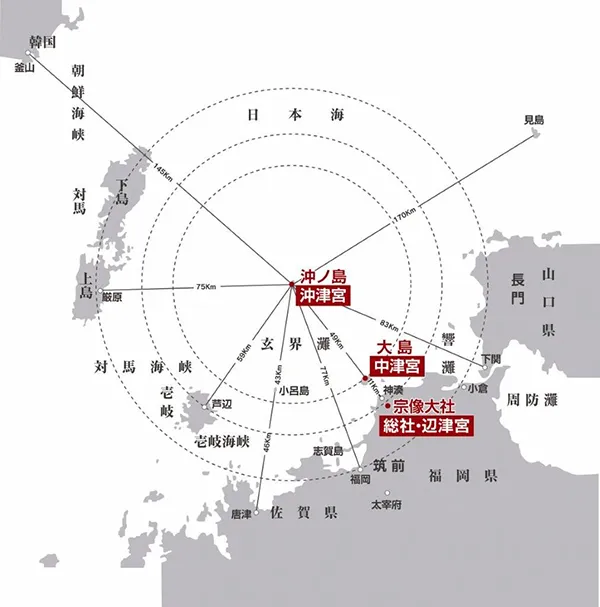
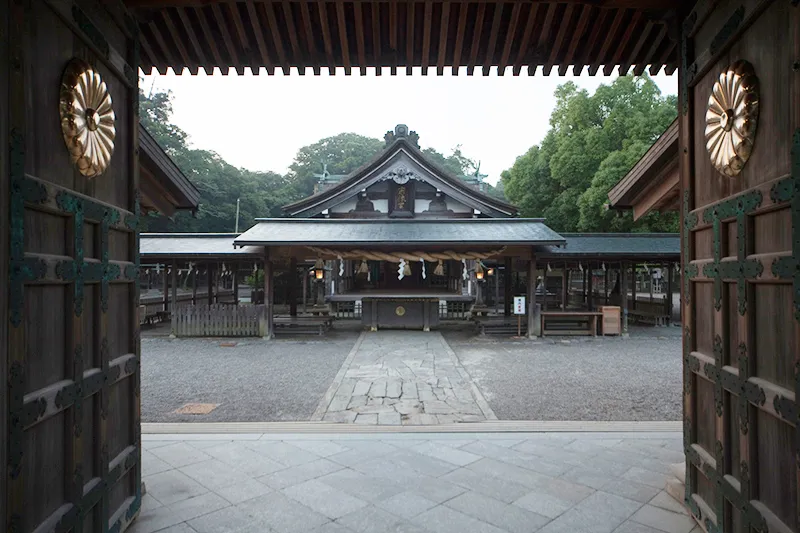
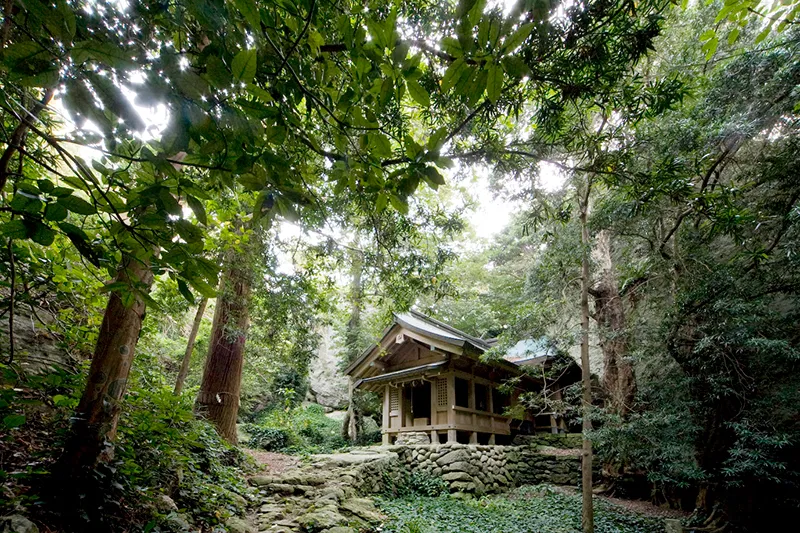
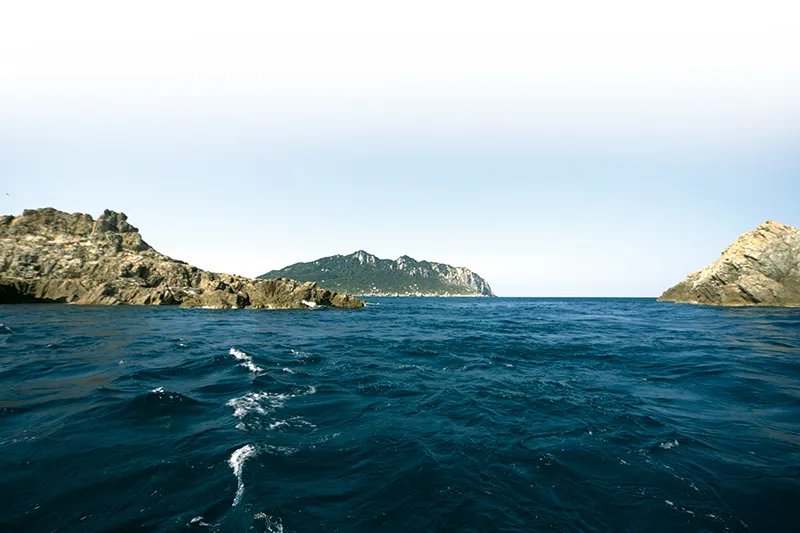
On July 9, at the World Heritage Committee meeting held in Kraków, Poland, it was decided to inscribe “Munakata and Okino-shima: The ‘Island Where the Gods Dwell’ and Associated Sites” on the World Heritage List. As a result, similar to previous World Heritage sites, this inscription is expected to further boost tourism centered on the Munakata Three Shrines and contribute to regional revitalization. This paper outlines recommendations regarding how to highlight the value of Okino-shima—a unique World Heritage site where the general public is not permitted to land—as well as key considerations and expectations for its use in tourism.
1. The Value of “Okinoshima and Associated Heritage Sites”
(1) What Was Recognized
On July 9, at the World Heritage Committee meeting held in Krakow, Poland, the inscription of “Munakata and Okinoshima: The ‘Island Where the Gods Dwell’ and Associated Heritage Sites” was approved. Although the May recommendation by ICOMOS stated that the component sites on Oshima (including Nakatsumiya) and the Kyushu mainland (including Hetsumiya) were not suitable for inscription, the Japanese government’s arguments were fully supported, leading to a reversal and the inscription of all eight component sites.
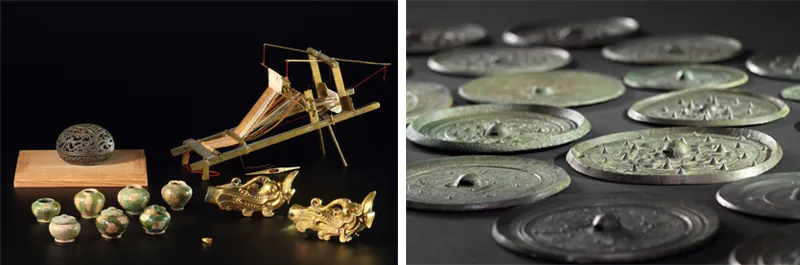
The key factor in the site’s evaluation was that, because Okinoshima has remained a sacred site for 1,600 years since the 4th century, the “prototypes” and “evolution” of the offerings themselves—as well as how they have been worshipped—have been preserved intact in their original form.
The Petra ruins in Jordan, which served as a filming location for the Indiana Jones movie series, date from the 1st century BCE to the 4th century CE. However, after the Crusaders entered the area in the 12th century, its existence and location were forgotten until the early 19th century, leaving it as a legendary site preserved only in folklore. Petra was “rediscovered” in the 19th century by the Western explorer Burckhardt, but there is a parallel here with the fact that the entire town has been preserved in its original state because the site had been quietly hidden from generation to generation as an extremely important place for the local people.
(2) Key points that stand out in comparison with other World Heritage sites in Japan
Regarding the characteristics of “Munakata and Okinoshima and Associated Sites,” the fact that the sites represent Shinto shrines—a form of worship unique to Japan—makes them similar to those in Kyoto and Nara. However, since these elements are not buildings or structures but are tied to ancient nature-based beliefs—and have served as a spiritual anchor for people crossing the sea for over a thousand years—this aspect is closer to the rationale behind the recognition of mountain worship sites such as Mount Fuji and the Ōmine area included in “Sacred Sites and Pilgrimage Routes in the Kii Mountain Range. ”Compared to these, Okinoshima—where “the general public is completely barred from entering, except on a specific day”—can be said to stand out particularly for the purity of its faith.
Munakata Taisha intends to continue its policy of restricting access, which is only natural. Being registered as a World Heritage Site is nothing more than the act of listing sites of natural and cultural value from various countries and regions according to international standards. Although women have been permitted to enter Mount Koya since 1872 (Meiji 5), this was in response to social demands for broader styles of pilgrimage that took root amid the tide of modernization, and should not be discussed in the same context as the current debate over whether to continue the landing restrictions. On the other hand, the Ōmine Okugake Trail, a path of spiritual training, remains off-limits to women to this day, and this is accepted as perfectly natural.
2. Approaches to the “Utilization” of World Heritage Sites: Expected Effects and Issues to Consider
(1) Expected Effects
First, from the perspective of revitalizing regional tourism, the current mainstream style of tourism in Fukuoka is urban tourism—specifically, shopping and dining out at night. While cultural resources near Fukuoka City include Yanagawa and Dazaifu, the addition of Munakata is expected to introduce a new regional character—one that has received little attention until now—to the market, thereby expanding opportunities for visitors to enjoy the multifaceted charms of Fukuoka.
Next, significant benefits are also anticipated from the perspective of shrines gaining recognition as tourist destinations in the market. Fukuoka Prefecture receives many cruise passengers from neighboring Asian countries, and the number of foreign tourists in Kyushu is expected to continue growing. While foreign visitors’ reasons for coming to Japan range widely—from enjoying the scenery of the four seasons to tasting “Japanese cuisine” (registered as a UNESCO Intangible Cultural Heritage) and shopping—there is also a strong desire to experience Japan’s history and culture. This trend is particularly pronounced in Western markets, where cultural differences are significant.
They prefer visiting temples and shrines as places where they can gain a clear understanding of Japanese cultural customs and the Japanese sense of beauty. In 2015, Mount Koya was nominated for National Geographic’s “Top 20 Places to Visit.” Furthermore, in an annual survey conducted by the travel review site TripAdvisor, Fushimi Inari Taisha has ranked first among “tourist spots popular with foreign visitors” in Japan for three consecutive years. Shinrakuyama Sengen Park in Fujiyoshida City, Yamanashi Prefecture, features a five-story pagoda and cherry blossoms in the foreground against the backdrop of Mount Fuji. This landscape, packed with the “symbols of Japan” that foreigners imagine, has become wildly popular among foreign visitors, particularly Thais, and has been selected as one of the “21 Places Every Photographer Must Visit Before They Die” (the only two locations in Japan to make the list are Kyoto and this park).
Similarly, for Munakata Taisha, as more people visit Kyushu via Fukuoka as a gateway, opportunities to visit Munakata Taisha as a place to learn about Japanese culture, history, and the reverence for nature characteristic of the Japanese people are likely to increase. It is also expected that this will help disperse the cultural tourism demand currently concentrated in Dazaifu, making it easier to manage issues such as overcrowding and traffic congestion at tourist sites. In Japanese religious practices, the question of “why is it there?” is extremely important for both shrines and temples. Rather than simply visiting Munakata Taisha and feeling satisfied, the experience of visiting the shrine—which is integrated with the sea—will provide an opportunity for people both in Japan and abroad to understand the unique Japanese characteristics of faith tied to geographical features and its close connection to daily life. In particular, regarding the faith associated with Okinoshima, the absence of “surface-level” elements such as architecture, combined with the fact that the site is inaccessible, makes it an ideal place to understand the Japanese form of faith from a more primitive and essential perspective.
(2) Issues to Consider
A common concern for all regions following World Heritage inscription is that the designation will result in a fleeting “boom.” While this is not limited to shrines, World Heritage sites—unless they are natural heritage sites that are difficult to access—almost invariably experience a flood of visitors driven by such a “boom. ”Because Munakata Taisha is located near a major city, it is inevitable that many people will visit. While such “booms” often subside within 5 to 10 years, if the number of visitors exceeds the region’s capacity during this period, visitor satisfaction is likely to decline, and complaints may be posted on social media—which can damage the region’s reputation as a tourist destination. Therefore, improving visitor management systems and controlling visitor numbers will be key challenges.
Looking at individual “shrines” as specific locations, it is still fresh in our memory that when Pokémon GO was released, many shrines and temples became PokéStops or Gyms. This led to frequent incidents where people not visiting for religious purposes came day and night, resulting in increased litter and trespassing into restricted areas. Consequently, many shrines and temples posted signs asking visitors to “Please refrain from playing Pokémon GO. ”If people from Japan and abroad, who view Munakata Taisha as a “tourist destination,” flock to the site and visitor etiquette deteriorates, this could potentially impact or burden the daily lives of the shrine’s devotees and the local community—a situation that must be avoided. The “Hidden Christian Sites in the Nagasaki and Amakusa Regions,” which are aiming for inscription next year, face similar challenges in that places of worship are included in the nomination, and there are concerns that this could place a burden on local communities.
3. Specific Measures for Tourism Development
While the faith associated with Okino-shima forms the core value of this registered property, the current reality that access to that core is restricted is a key factor in considering its use for tourism. Rather than viewing this as a barrier, we need to adopt a mindset focused on how to utilize the “value of being off-limits.”
On Gunkanjima, while visitors can disembark on part of the island via the Gunkanjima Cruise, the area is prone to rough seas; if the boat cannot dock, the cruise simply circles the island and returns. However, the operators clearly inform visitors in advance that disembarkation cannot be guaranteed, and the cruise remains extremely popular.
While physically getting closer to Okinoshima does not necessarily equate to getting closer to the essence of the Okinoshima faith, there is undoubtedly a market demand for the opportunity to get closer. I believe the ideal approach to tourism at the Munakata Three Shrines is to create “tour routes that allow visitors to relive the true nature of the faith while addressing market needs.” In other words, a marketing perspective is essential; since the interests and priorities of cruise passengers from neighboring Asian countries differ from those of individual travelers from Europe and the United States, the way we present and convey information must also vary. Carefully designing information, experiences, and routes tailored to specific target audiences will enhance the value of the visit.
The Munakata faith is a symbolic place where one can clearly understand the distinct “position of the worshipper”—a characteristic of Japanese religion where the “object of worship” and the “place of worship” are separate. I hope that mechanisms will be established here to allow visitors to learn about the primitive and diverse nature of Japanese shrines. This will provide them with a foundation to recognize and appreciate the individual differences when they subsequently visit other shrines throughout Japan.
4. Methods for Communicating the Asset’s Value
While the current inscription includes not only Okino-shima but all the constituent assets that shape the Munakata faith—a most favorable outcome—it is a fact that, right up until the deliberations, the prevailing speculation was that the mainland areas of Kyushu might be excluded from the inscription, and that the remote worship site on Oshima might be left out. However, I would like to emphasize once again that whether a site becomes a World Heritage Site or not is not a measure of its intrinsic value.
Rather than distinguishing between registered and non-registered sites, I sincerely hope that the local community will continue to recognize the entirety of “the Munakata Three Shrines and their associated significant sites” as valuable, just as they have done until now, and continue to share this with the world. To ensure the enduring preservation of the essence of this value, it is essential to continue cherishing what has been treasured by the local people for the past 1,600 years, without change.
It is certainly not the case that visitors to Kyoto only tour the components of the World Heritage site. Kyoto is composed of a multitude of temples and shrines—scenic views characteristic of Kyoto and sites that showcase the value of the ancient capital—dotted throughout the city beyond the World Heritage sites. Similarly, to truly speak of the land of Munakata, it is essential to understand the history, way of life, and geographical environment surrounding Munakata—including all the component assets registered this time, the associated marine landscapes, the harsh, rough waves of the Genkai Sea, and the history of maritime trade. Therefore, it is important to convey the story to visitors from both Japan and abroad not as “Please learn about the World Heritage Site, Munakata Taisha,” but rather as “Please learn about the value that was born precisely because of the land of Munakata.”
Needless to say, conveying the value of these assets to the market requires both the development of physical infrastructure to supplement information and the development of software to promote the creation of travel products and human-led interpretation, such as guides. However, a key point in enhancing the guide experience is that tourists do not come “to become experts,” but rather “to have fun. ”Providing detailed information is not necessarily the best service, and the level of basic knowledge about shrines differs between Japanese and foreign visitors, just as the amount of time each person can spend on their visit varies. It is desirable to provide interpretation that has been carefully designed to address who the information and experiences are intended for, what kind of information and experiences should be conveyed, and what feelings visitors should ultimately experience as a result.
In terms of physical infrastructure, the use of replicas and the use of AR and VR are both intuitive and effective. Even if visitors were able to land on Okinoshima, they would not be able to see the truly important sacred sites and restricted areas. However, by displaying replicas or recreating the atmosphere of the past through VR, visitors can intuitively understand things they would otherwise be unable to see or touch.
I vividly remember the replica of Okinoshima once exhibited at the National Museum of Japanese History (Sakura City, Chiba Prefecture)—which has since been removed due to facility renovations—a full-scale recreation of how offerings were placed within the restricted area. It conveyed the essence of its value with overwhelming conviction, leaving a profound impression. Similarly, at the Takamatsuzuka Kofun in Nara, while visitors cannot enter the actual burial mound to prevent mold growth, an extremely intricate, full-scale replica has been constructed on an adjacent site, allowing people to enter and explore it. The most important point is that a replica is not a “fake.” Showing the actual artifacts that remain today does not necessarily lead to an essential understanding of the asset’s value.It is precisely because they are replicas that we can see, touch, and experience things that are otherwise invisible. What lies deep within that island? How were offerings placed there? Using replicas makes it possible to devise ways to bring visitors closer to the value of a site—not just by viewing it, but through simulated experiences that involve active participation.
When urban structures change or sites become buried cultural properties, it is difficult to imagine what the place was like in the past. The site of the former Miezu Naval Arsenal in Saga Prefecture, one of the component assets of “Industrial Heritage of Meiji Japan,” is now nothing more than a park because it was backfilled for heritage preservation purposes. The site has even produced a promotional video marketing itself as an “invisible World Heritage site.” Here, visitors can rent VR goggles; by standing in a designated spot and looking through them, the land’s original layout and scenery are recreated. Similar efforts are underway at the ruins of Muryokoin Temple at Motsu-ji in Hiraizumi. Rather than relying solely on textual information to convey value, we need to devise ways to help people intuitively grasp that value through sensory enjoyment.
Regarding Munakata, as long as we do not lose sight of the goal of conveying “the significance of where people’s sentiments have converged” rather than merely “what remains there,” there is a wide range of ways to communicate its value. These could include utilizing aerial drone photography, using VR to demonstrate the relationship between the worshipper’s vantage point and the object of worship, or allowing visitors to experience firsthand how Okinoshima appeared to sailors during their voyages.
5. Balancing Development and Preservation
While Gunkanjima is an isolated island, Munakata differs significantly in that it is backed by a settlement and a town, making it impossible to proceed with a “frozen preservation” approach. A shrine is, by its very nature, a place where an approach leads to a bustling area of shops, with a town surrounding it. From the perspective of tourism development, initiatives aimed at restoring the “vibrancy that must have existed during its heyday”—such as Ise Jingu’s Oharaimachi and Okage Yokocho, or Dazaifu—are welcome.Rather than preserving the landscape as it stands in the 21st century, I believe that restoring the form in which the shrine would naturally have thrived—through the liveliness of the approach and surrounding areas—is a perfectly natural approach to development, even in light of Japanese cultural traditions.
I would like to add that great care must be taken in terms of landscape and environmental conservation. Because Munakata Taisha is a shrine situated by the sea, it actively promotes activities related to marine environmental conservation.Regarding the port on Oshima Island, the design not only structurally expresses the proximity to and familiarity with the sea but also preserves natural rock reefs and rocky shores as they are, while taking the surrounding landscape and environment into consideration. Not only in the streetscape surrounding the shrine but also at various locations along tourist routes, it is necessary to pay close attention to maintaining the landscape and environment—as well as creating new designs—that do not detract from the value and impression of the region centered on its heritage, for the benefit of both tourists and local residents.
6. Summary
The process of securing this World Heritage designation was fraught with twists and turns (though cases leading to smooth registration have become rare in recent years).
In the past, even the Shikinen Sengu ritual was not understood in the West, and it took a great deal of time to explain the value of the shrine for World Heritage inscription. This was because it was difficult for Western cultures, with their stone-based architectural traditions, to comprehend that structures built only a few decades ago could be considered “original.” However, this hurdle has already been overcome.I suspect that, in this instance as well, the natural and subtle connection between nature worship and Shinto—rooted in the Kojiki and Nihon Shoki—which is unique to the Japanese, was difficult to grasp from a Western perspective that posits a single, absolute god residing in the heavens. Consequently, I believe this led to the failure to recognize the value of Nakatsu-gu and Hetsu-gu during the ICOMOS recommendation in May.
There is a close relationship between Japan’s geographical characteristics and its forms of faith and daily culture. I believe that by continuing to communicate this uniqueness to the world, Japanese culture will become better understood within the global community, and for us Japanese, it will serve as a mirror through which we can reaffirm our own identity. I am pleased that, through careful explanations of their value via lobbying and other efforts, the international community has taken another step toward understanding the nature of Shinto shrines and Japan’s unique forms of faith.
We hope that this World Heritage inscription will serve as an opportunity to shine a spotlight on the diverse charms and characteristics of shrines across Japan, allowing people both in Japan and abroad—who may not have paid much attention to them before—to rediscover their significance and value.
著者