Utilizing the Japanese Calendar to Attract Foreign Tourists
The number of international tourists continues to rise and is expected to exceed pre-pandemic levels by 2024. What is it about Japanese culture that appeals to international tourists? Using the "Saijiki"—a compendium of the beauty of Japan’s four seasons and the customs rooted in each—as a case study, we will explore the essence of this appeal.
Reflecting on Japan’s Four Seasons
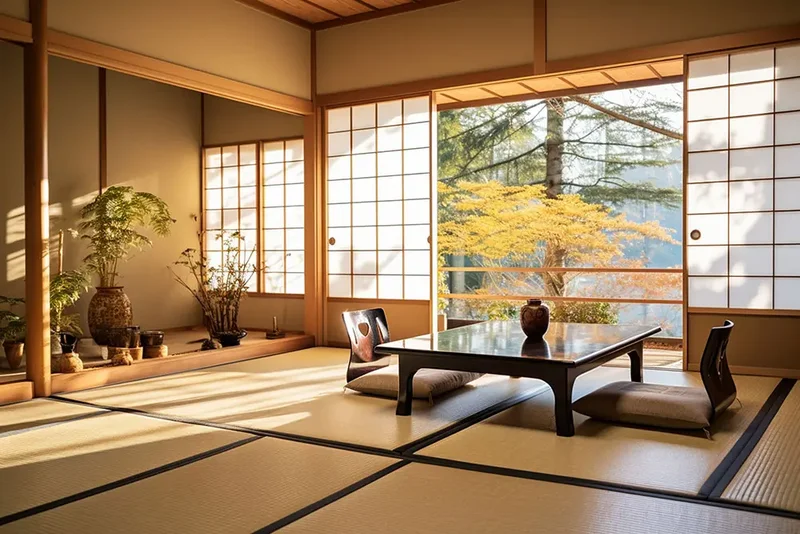
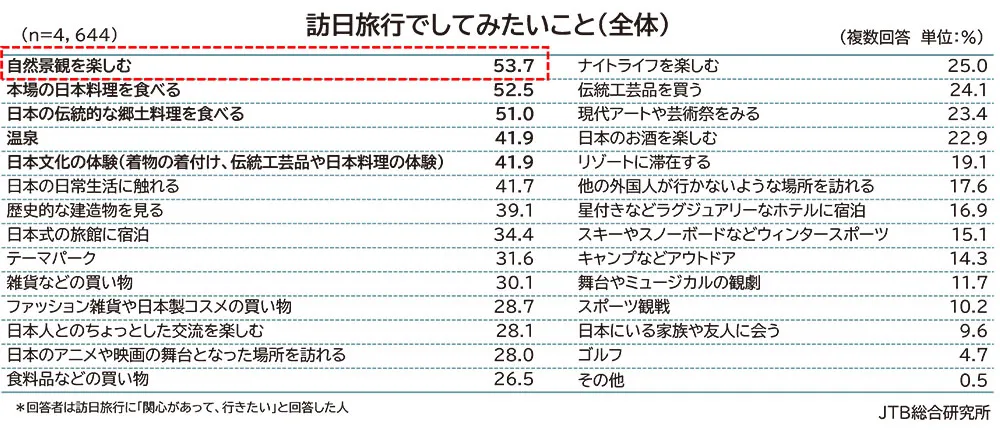
Japan’s four seasons reveal different facets even in the same place. Flowers bloom in spring, greenery flourishes in summer, trees turn vibrant colors in autumn, and winter blankets the land in white—many foreign tourists find value in these seasonal transitions, with “enjoying natural scenery” ranking as the number one thing they want to do in Japan. The sense of the seasons and various seasonal events that we take for granted are unique experiences for foreigners, and it is clear that many travelers find value in them.
There is a compilation of the meanings of Japan’s four seasons and the customs associated with each season called the Saijiki. While there are various theories regarding its origins, the generally accepted view is that the “Nihon Saijiki,” published in 1688 by Kaibara Kōko—under the guidance of his uncle, the Edo-period Confucian scholar Kaibara Ekken—and based on the Chinese classic “Jingchu Saijiki,” marks the beginning of the Japanese Saijiki. The year is divided into five seasons: spring, summer, autumn, winter, and New Year, and seasonal words are classified into seven categories: weather, astronomy, geography, daily life, events, animals, and plants. Furthermore, the book introduces the meanings of terms representing the seasons, such as the Five Festivals, the Twenty-Four Solar Terms, the Seventy-Two Micro-seasons, and Miscellaneous Festivals. These traditions have been passed down alongside Japanese culture since ancient times, serving as a standard for Shinto rituals related to agricultural work and local festivals. By comparing the Saijiki—which embodies the meaning and significance of living in a community, as well as the benefits and precautions of daily life—with the regions where we live, we can see that while seasonal events vary somewhat across the country, their purposes and meanings ultimately converge on the content outlined in the Saijiki.
Festivals across the country serve as concrete examples of this. However, in recent years, issues such as a lack of organizers and noise pollution have arisen, leading to many festivals disappearing or facing the threat of extinction.Furthermore, the seasonal foods traditionally offered are becoming less distinct due to shifts in production areas caused by climate change and the increasing import of foreign ingredients. In some places, the preservation of a food culture that celebrates the seasons and the creation of a sense of seasonality have become precarious. Particularly in urban areas, the environment has become such that it is difficult for Japanese people to feel the seasons firsthand in their daily lives.
While foreigners are showing growing interest in Japan’s unique lifestyle and culture, traditional ways of life are gradually disappearing across the country, and the number of regions struggling to sustain their cultural meaning and significance is expanding year by year. Isn’t this situation a significant missed opportunity? Reexamining the culture we take for granted, connecting it to our daily lives, and rediscovering its value can serve as a starting point for regional revitalization. If we revisit the almanac from this perspective, might we not find hints that could spark regional innovation?
Possibilities Born from Rediscovering the Region
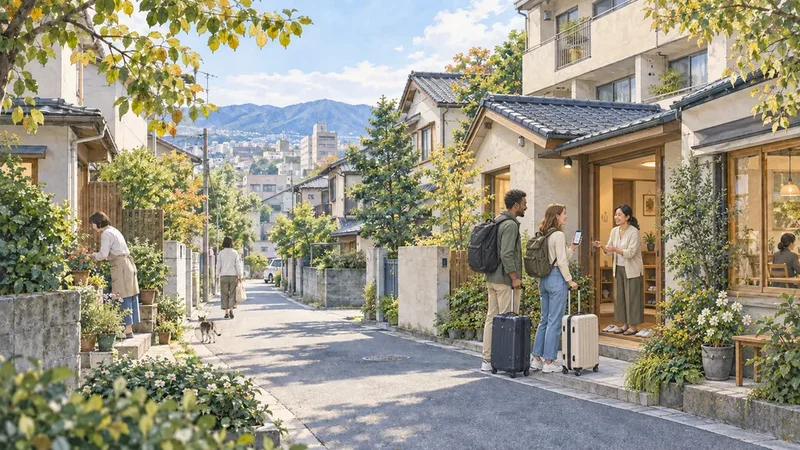
Ushiku City, Ibaraki Prefecture, has a population of approximately 80,000 and is located about 50 km from Tokyo Station, not far from the city center. While the city is often perceived more as a bedroom community for Tokyo than a tourist destination, it has recently begun initiatives to leverage the everyday life of the region—as depicted in the saijiki—to attract foreign tourists.Notable tourist attractions include the Ushiku Daibutsu, the world’s largest bronze Buddha statue—whose size is recognized by the Guinness World Records—and the Ushiku Château, a Japan Heritage site where wine was first produced in Japan. While nearly 200,000 foreign tourists visit annually, most stop only to see the Ushiku Daibutsu before moving on to their next destination, making it a typical “point-of-interest” destination.
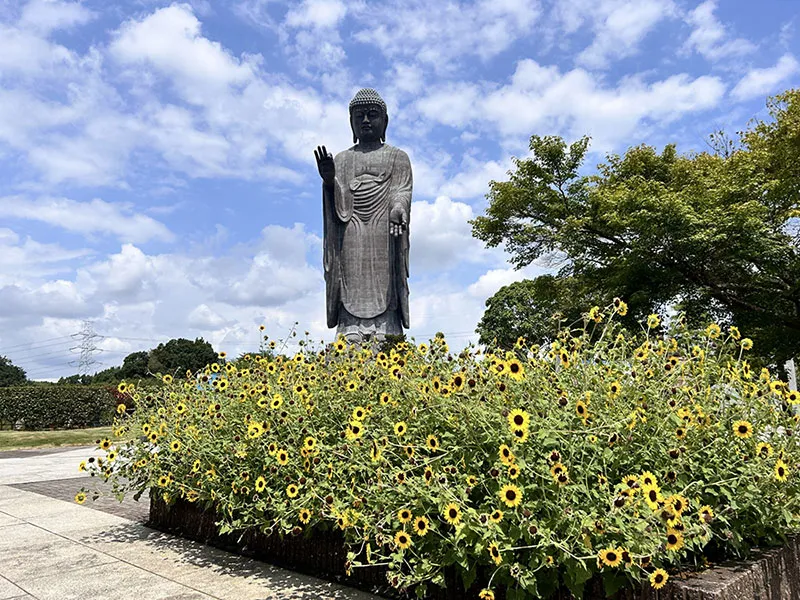
To encourage these passing foreign visitors to stay longer, the area has launched an initiative that frames the history of the Ushiku region—including the origins of the Ushiku Daibutsu, the history of Buddhist statues and Buddhism, the story of Japan’s first wine, and the agricultural products and food culture of Ibaraki Prefecture (the largest agricultural prefecture in Eastern Japan)—within the context of the five seasonal festivals (Gosekku) from the traditional Japanese calendar. This approach aims to present these elements as part of the region’s daily life and seasonal rhythms.As part of this effort, a program has been implemented where foreign residents in Japan—rather than Japanese locals—serve as guides for Japanese cultural experiences centered on the Five Festivals for international visitors.
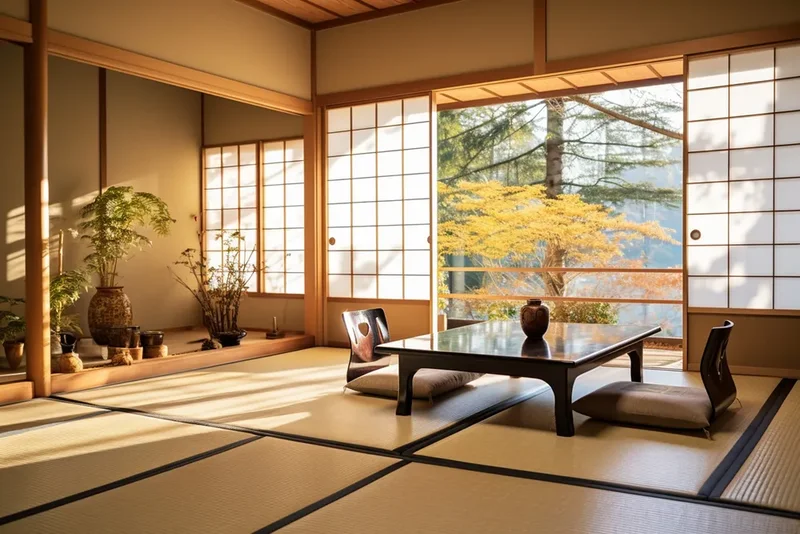
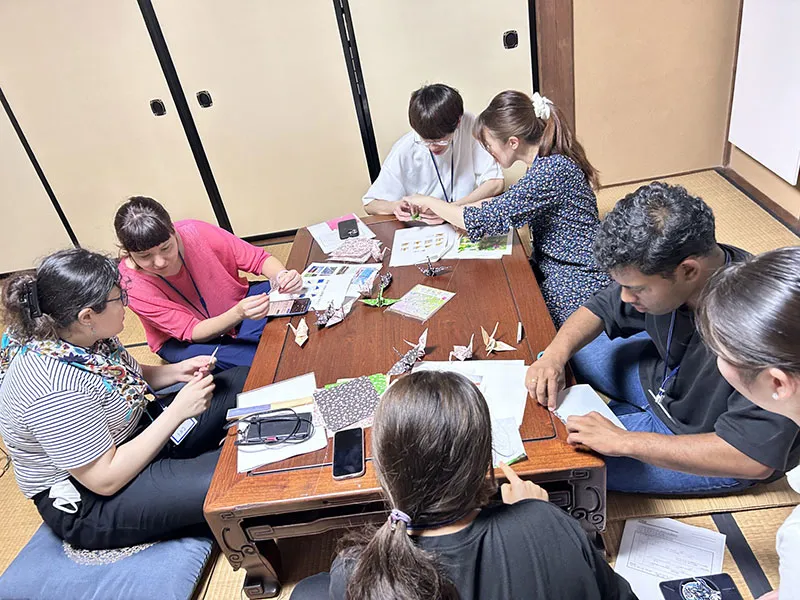
In early August, when autumn had officially begun according to the calendar, a program themed around the Tanabata festival was held. Ten Japan enthusiasts from ten different countries across Asia, Europe, and the Americas visited Ushiku, guided by foreign residents living in Japan. As for why the event was held in August despite being Tanabata, it is because the 7th day of the 7th month on the lunar calendar falls on August 10 in 2024.For foreigners with a keen interest in Japanese culture, learning about the differences between the lunar and solar calendars was a new experience. However, we found that for people from Asia, the agricultural calendar and various seasonal festivals are familiar as they have experienced them as part of their own daily lives. Even so, customs such as making decorations with origami are not common in their home countries, and they seemed to be enjoying Japan’s unique way of celebrating Tanabata in a historic Japanese house.There was also a great deal of interest in Japanese cultural values, such as the daily names given to the phases of the moon as it appears in the night sky, like “crescent moon” and “sixteenth-night moon.”
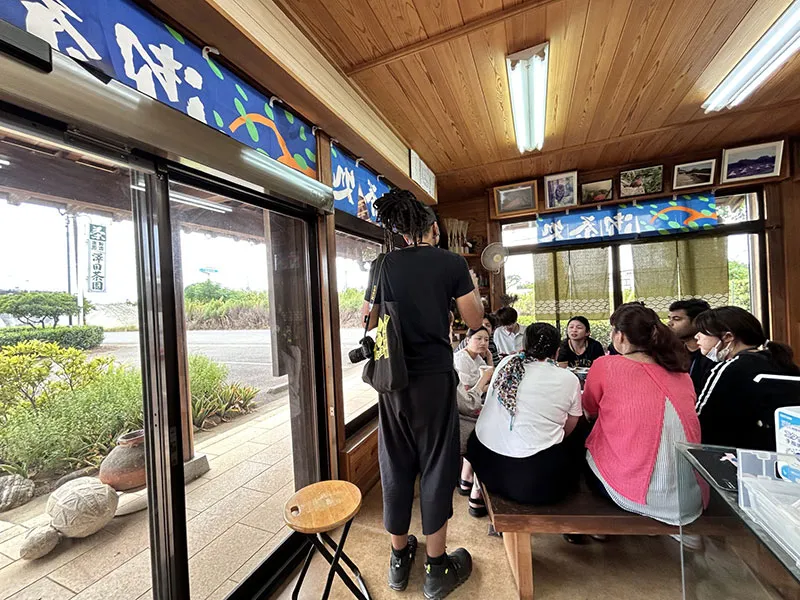
Additionally, this time of year coincides with the “Doyo” period of summer. As fatigue tends to build up during this season, demand for eel—a source of stamina and nourishment—also increases. In fact, it is not widely known nationwide that the area around Lake Ushiku is said to be the birthplace of the “unadon” (eel rice bowl).While eel has now become a popular dish among foreigners, it was impressive to see them deeply understand and reflect on the value and significance of eating seasonal foods at their place of origin. This was achieved by using handouts to explain in detail the story of how the unadon dish originated, the significance of eating eel during the “Doyo” period, and the health benefits of summer vegetables produced at this time. Above all, the sentiment that “seasonal food is delicious” seems to be a universal truth.
Through this initiative, in which foreign participants—acting as teachers who love Japan dearly—explained daily life in Ushiku to their paired foreign partners based on the local seasonal calendar, I could see firsthand how even those who had recently arrived in Japan were gaining a deeper understanding of Japanese manners, demeanor, and the significance and value behind them. It was clear that the number of people who truly understand Japan is steadily growing.
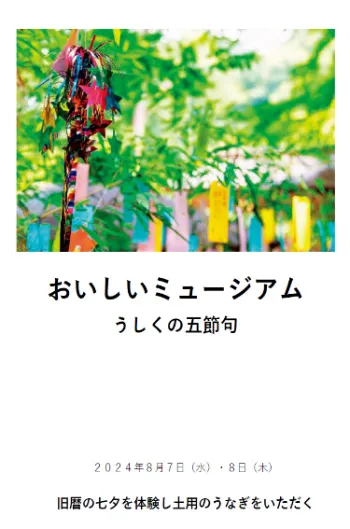
Initially, even the host officials in Ushiku City viewed this initiative to introduce local daily life to foreigners with skepticism.However, a full year has passed since the project began, and with each session, as they witnessed the foreigners taking immense delight in the local “norms,” the hosts began to realize that perhaps these very “norms” were incredibly important—something they could take pride in. They started to feel a sense of pride in their own region, and each member involved in hosting began to independently prepare seasonal displays and actively create opportunities for interaction with the foreigners.The itinerary, which starts at the Ushiku Daibutsu and takes visitors to places where they can experience the city’s seasonal atmosphere and history, continues to evolve day by day.
As recorded in the “Hitachi Fudoki”—a text compiled over 1,300 years ago—Ibaraki Prefecture has long been known as “Toyo no Kuni,” a utopia of eternal youth and immortality, and the local way of life, rooted in its mountains, seas, and fertile lands, continues to this day. This alone makes it one of Japan’s most valuable regions. It would be a tremendous waste if the local people themselves could not confidently share and pass down this historical reality.With the number of foreign visitors increasing year by year, it is crucial for the local community—as a foundation for pursuing globalization—to understand their own region and to personally embrace the fact that traditions, festivals, cuisine, and all aspects of local life are on the brink of extinction, as well as the significance of preserving them. The Saijiki serves as a guidebook for the region, offering various insights.
Insights Gained from Revisiting the Saijiki
Through the Saijiki, we can relearn the everyday routines and ordinary ways of life that have drifted away from our daily lives and consciousness as Japanese people. By reevaluating excessive convenience and being willing to put in the effort, a whole new world becomes visible. Recognizing the reasons, origins, and roots of what we take for granted will help us regain pride in our local communities and confidently pass the cultural baton to the next generation.By reexamining traditional ways of life, it is also possible to reduce the CO2 emissions generated by excessive convenience. Following the teachings of our ancestors—adjusting our minds and bodies to the seasons and living peacefully—and continuing to pass down these teachings while preserving the daily routines cultivated in each region are positive initiatives for the future and may be the first step toward building a sustainable society.
Reference: Japan Society for Regional Resources, “The Five Festivals of Ushiku”