Promoting Inbound Tourism Through the Active Utilization of Culture and the Arts
Drawing on examples from the Agency for Cultural Affairs’ “Project to Establish Hubs for the Dissemination of International Culture and the Arts,” we will examine the potential and challenges of culture and the arts in the tourism sector.
Although the current climate for attracting international visitors is challenging, it is important to continue working to enhance Japan’s appeal and improve our infrastructure for welcoming visitors.This paper focuses on “arts and culture” as one such element of appeal and examines the “Reborn-Art Festival” project—part of the Agency for Cultural Affairs’ “Project to Establish Hubs for the Dissemination of International Culture and the Arts”—as a case study. By introducing initiatives in the target region and the passion for arts and culture, and by addressing the challenges involved, this paper explores the potential of arts and culture in promoting inbound tourism and regional revitalization.
1. Introduction: Aiming to Promote Japanese Culture and the Arts Overseas
Due to the impact of the novel coronavirus (COVID-19), foreign tourists are currently largely unable to visit Japan. However, Japan’s target number of international visitors for 2030 remains at 60 million—the same figure set before the onset of the pandemic—suggesting that expectations for inbound tourism will remain unchanged. Achieving this goal will not be easy and will require further enrichment of content, strengthening of transportation infrastructure, improvement of reception facilities, and enhancement of reception systems.The decline in inbound tourism caused by COVID-19 is expected to continue for some time. I believe we should accelerate and enhance initiatives with an eye toward the post-COVID and “living with COVID” eras to lay the groundwork for attracting future inbound tourists.
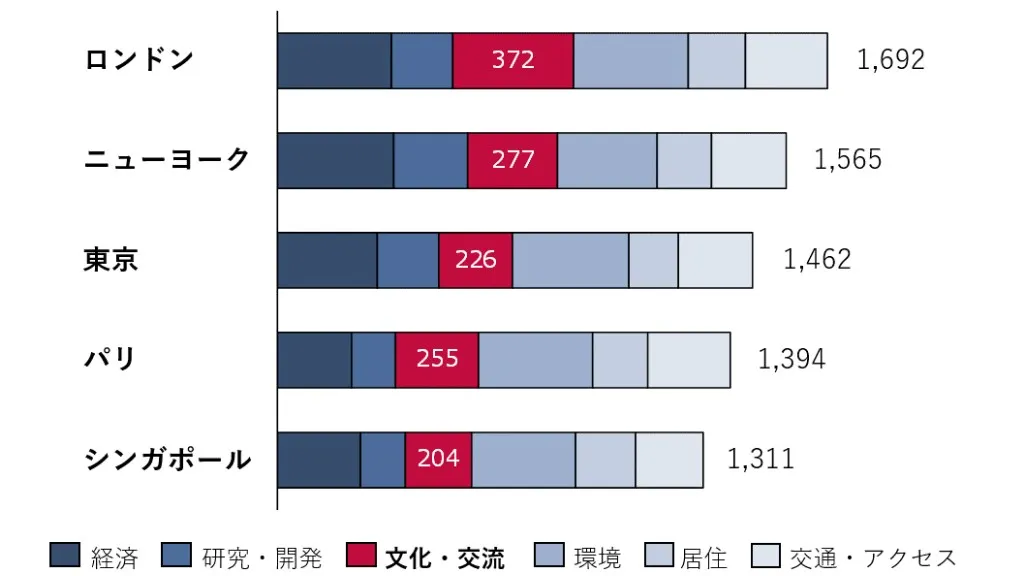
Regarding content, Japan possesses a variety of resources—such as natural and cultural assets—that can captivate inbound tourists. Among these, culture and the arts are often cited as an area where Japan lags behind Western countries.According to the “2018 World City Comprehensive Ranking” published by the Mori Memorial Foundation, while Tokyo ranks third in overall appeal among major global cities, its score in the “Culture and Exchange” category falls below not only the top-ranked London and New York but even Paris, which ranks lower (Figure 1).In order to raise international awareness of and appreciation for Japan’s culture and arts, it is necessary not only to enhance the quality of the content but also to improve accessibility (ease of understanding), strengthen international outreach, and foster a sense of unity with local communities.
Figure 1: Comparison of Scores by Category for the Top 5 Cities in the “2018 Global City Comprehensive Ranking”
The Agency for Cultural Affairs is currently promoting the “Project to Establish International Hubs for Culture and the Arts,” which aims to advance the sophistication of Japan’s culture and arts and promote their dissemination overseas. This project began in FY 2018 and is scheduled to run for five FYs in principle; in FY 2020, initiatives are being carried out at the following nine locations nationwide.
- Reborn-Art Festival (Ishinomaki City, Miyagi Prefecture, etc.)
- Art Hub and Networking Project Centered on Roppongi Art Night (Minato Ward, Tokyo)
- Project to Establish a Hub for the Creation and Dissemination of Socially Inclusive Culture and Arts (Taito Ward, Tokyo)
- Toshima City International Art and Culture City Promotion Project (Toshima Ward, Tokyo)
- Yokohama Art Action Project (Yokohama City, Kanagawa Prefecture)
- Building a Festival City through the Implementation of “SHIZUOKA FESTIVALS” (Shizuoka City, Shizuoka Prefecture)
- Project to Establish a Strategic Hub for Global Promotion and Distribution of Kyoto Arts and Crafts (Kyoto Prefecture)
- Project to Promote Regional Revitalization through Contemporary Art Centered on the Setouchi International Art Festival (Kagawa Prefecture, Okayama Prefecture, etc.)
- Kitakyushu Media Arts Creation Hub Promotion Project (Kitakyushu City, Fukuoka Prefecture)
All of these projects fully leverage the unique characteristics and regional identities of their respective areas, and are expected to attract visitors from overseas in the future. As one example, we will introduce the initiatives of the Reborn-Art Festival. 2. Examples of Cultural and Art Promotion—Initiatives of the Reborn-Art Festival
2. Examples of Cultural and Art Promotion—The Reborn-Art Festival Initiative
The Great East Japan Earthquake that occurred on March 11, 2011, caused extensive damage primarily to the Pacific coast regions stretching from Tohoku to Kanto. Ishinomaki City in Miyagi Prefecture also suffered damage not only to residential areas and transportation networks but also to industrial facilities such as fisheries and seafood processing plants. The region’s recovery requires an enormous amount of time and effort, and various reconstruction measures are needed. The Reborn-Art Festival was conceived and launched as part of these efforts.
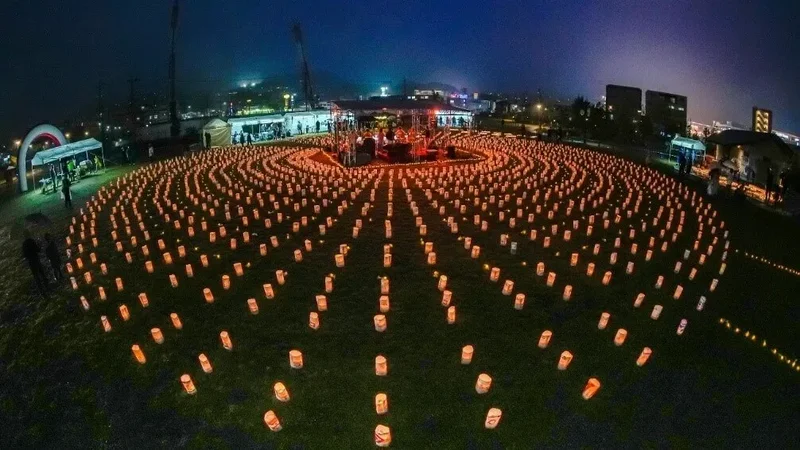
The Reborn-Art Festival is an event where visitors can enjoy “ART,” “MUSIC,” and “FOOD” all in one place.
Regarding “ART,” seven distinct areas—located in the Ishinomaki city center and the Oshika Peninsula—are each overseen by a different curator, with a total of over 70 artists presenting unique works that reflect the local character.
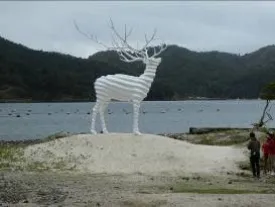
Hagi-hama district (Photo: Taken by the author)
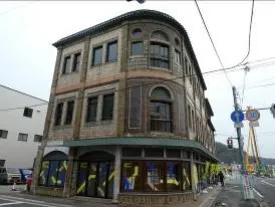
Regarding “MUSIC,” in 2019, music producer Takeshi Kobayashi spearheaded the concert “Rolling Poetry” in Ishinomaki City, themed around “words, melodies, places, and their brackish waters,” as well as the opera “Kenji in the Fourth Dimension – The Final Chapter,” themed around the Iwate literary giant Kenji Miyazawa, which was held in Shiogama City, Kamaishi City in Iwate Prefecture, and Tokyo.Mr. Kobayashi’s “BGM for the ART” is also held annually.
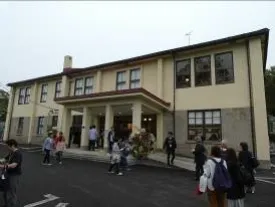
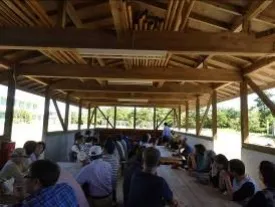
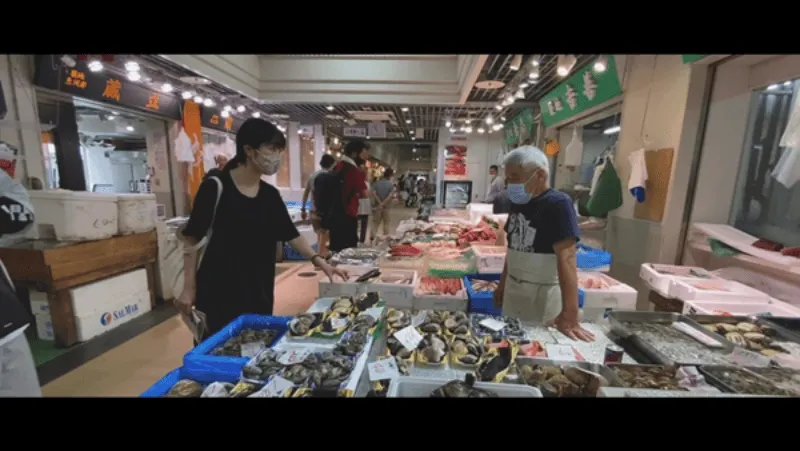
Regarding "FOOD," under the concept of "Before We Cook – the nature of food," we organize the "Ishinomaki Food Adventure," an event where participants explore the ingredients and nature of the Ishinomaki and Oshika Peninsula regions, gaining discoveries and learning through their own bodies.In the Ogihama area of the Oshika Peninsula, we operate “Reborn-Art DINING,” a restaurant where chefs from all over Japan take turns showcasing their skills, and “Hamasaisai,” a rustic diner where you can savor the flavors of the Oshika Peninsula.
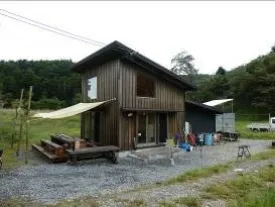
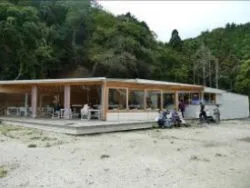
Ogihama area (Photo: Personal collection)
Why was such a cultural and artistic event held in Ishinomaki City and the Oshika Peninsula—regions with limited populations and by no means high global recognition? It is presumed that this came about through the convergence of the strong determination of local residents earnestly wishing for recovery from the Great East Japan Earthquake, the passion of Mr. Kobayashi—a native of Tohoku with deep knowledge of culture and the arts—and the presence of cultural and artistic professionals who shared Mr. Kobayashi’s vision and collaborated with him.In my capacity as a participant in the International Cultural and Art Hub Development Project, I visited the area in FY 2019. There, I experienced firsthand the sincere dedication of the Reborn-Art Festival Executive Committee and staff, the artists’ passion for their “ART” works, the chefs’ commitment to “FOOD,” and the sublime nature of “MUSIC,” allowing me to truly feel the region’s earnest commitment.
Currently, activities are restricted due to the impact of COVID-19, and attracting international visitors is extremely difficult. By continuing our efforts while further enriching the content and sharing these activities and aspirations with the world, we hope that in the future, people from overseas with an appreciation for culture and the arts will visit us.
3. Challenges in the Reborn-Art Festival Initiative
On the other hand, there are challenges that must be overcome to successfully attract international visitors to the Reborn-Art Festival in the future.
① Sustainability of the Project
As mentioned at the beginning, this project is implemented as a government-subsidized initiative. While self-sustaining operations will be required once the subsidy period ends, securing stable revenue is not easy in a small-population rural area. Since enhancing the program’s content also incurs costs, pricing must be set with a focus on maintaining a balanced budget. For example, it may be advisable to prioritize the “ART,” “MUSIC,” and “FOOD” components and set different target audiences for each.
There is also the issue of dependence on Mr. Kobayashi. To ensure the project’s continued success, it is crucial for the local community to take the lead and actively engage in its management. To achieve this, efforts must be focused on staff development and training.
② Strengthening International Outreach
Enhancing content and strengthening information dissemination go hand in hand; even if one is excellent, without the other to accompany it, it cannot contribute to regional revitalization. In particular, there are limits to broad information dissemination overseas without a robust network.
On the other hand, unlike major cities, Ishinomaki has a limited capacity to accommodate visitors, so I do not believe it is necessary to attract large numbers of people. I believe the appropriate approach is to first understand the characteristics of this region and focus on attracting active individuals who are interested in and enthusiastic about the Reborn-Art Festival as a cultural and artistic initiative. However, “easier said than done,” and we must continue to explore countermeasures moving forward.
③ Establishing Local Transportation
Securing transportation (public transit) to connect each area is an essential element for improving convenience. In particular, on peninsulas that end in dead ends, it is difficult to get visitors to tour the entire area, and we often struggle with route planning. Furthermore, in rural areas, it is difficult to increase the frequency of public transit services unless there is a system in place that can attract a large number of users. As a result, convenience declines, and visitors stop using the service.
The Ishinomaki City and Oshika Peninsula area, the focus of this project, is no exception; securing transportation is a key challenge. It is necessary to explore strategies, such as effectively combining road and maritime transportation.
4. Conclusion—Hopes for the Continuation of the Reborn-Art Festival
The overarching theme of this project is “Recovery from the Great East Japan Earthquake,” and the implementation of the project itself is viewed as playing a crucial role in regional revitalization. Furthermore, the project is drawing attention for its utilization of “culture and the arts”—an area considered relatively weaker compared to Europe and the United States—as a key element of the region’s appeal, and there are high expectations for the creation and enhancement of content that will attract international visitors. For this reason, we earnestly hope that this project will not fade away once the subsidy period ends, but will instead become a long-lasting, sustainable initiative.
*References:
Reborn-Art Festival Executive Committee “REBORN ART FESTIVAL 2019” website
; Agency for Cultural Affairs “Project to Establish International Hubs for Culture and the Arts” website