Shifts in the Attitudes of High-Net-Worth Individuals During the COVID-19 Pandemic: Sustainability Becomes Mainstream in Both Daily Life and Travel
We examine the attitudes of the world’s affluent travelers toward resuming travel in the post-COVID era, based on survey results from the International Luxury Travel Market (ILTM).
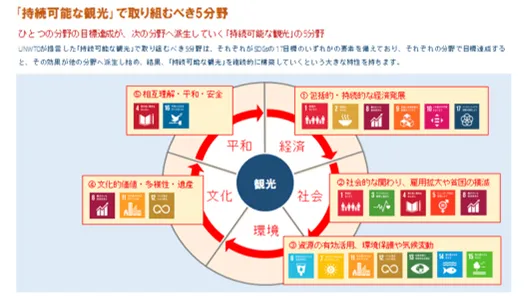
According to ILTM (International Luxury Travel Market), widely regarded as the most influential travel trade show targeting the luxury market, since the COVID-19 crisis, many affluent individuals have shifted their focus from luxury goods consumption to prioritizing health and wealth preservation, with a growing awareness of “green living” that emphasizes local and environmentally conscious practices. It appears that “sustainability” has become a key concept, particularly among women and younger generations, both in daily life and in travel. In this article, we will discuss the growing awareness of sustainable living and travel among the affluent, based on the “Global HEATMAP,” a monthly trend analysis published by ILTM.
1. Changing Values Among the Affluent and a Strong Desire to Travel
ILTM (International Luxury Travel Market) is a business-to-business trade show held annually in December in Cannes, France, since 2002, bringing together travel agencies (buyers) serving high-net-worth individuals and luxury hotels, tourist facilities, and other exhibitors. Only organizations and businesses selected through a rigorous screening process are permitted to participate, and it is considered the most influential travel trade show targeting the high-net-worth market. It is organized by Reed Travel Exhibitions (Headquarters: London).Regarding the travel attitudes of high-net-worth individuals since the spread of COVID-19, ILTM publishes a monthly report titled “Global HEATMAP” that surveys and analyzes trends. The survey released this past October was conducted among 580 high-net-worth individuals in the UK, US, France, and China, with a median household income of $404,000 and a median investment portfolio of $111,000. The following trends have emerged:
(1) The Rise of Green Living
- Approximately 40% of the total have become skeptical of luxury consumption, and their awareness of health and wealth preservation has increased.
- 35% are prioritizing green purchasing and the purchase of sustainable, locally sourced products.
<Respondent Comments>- “I intend to spend more consciously to prepare for economic uncertainties. I will prioritize choices that differ from my previous consumption patterns.” French, ages 18–39
- “I am likely to continue living locally.” – British, 40+
- “I prioritize value and quality.” – British, ages 18–39
(2) Expansion of the Age Group Interested in Green Living
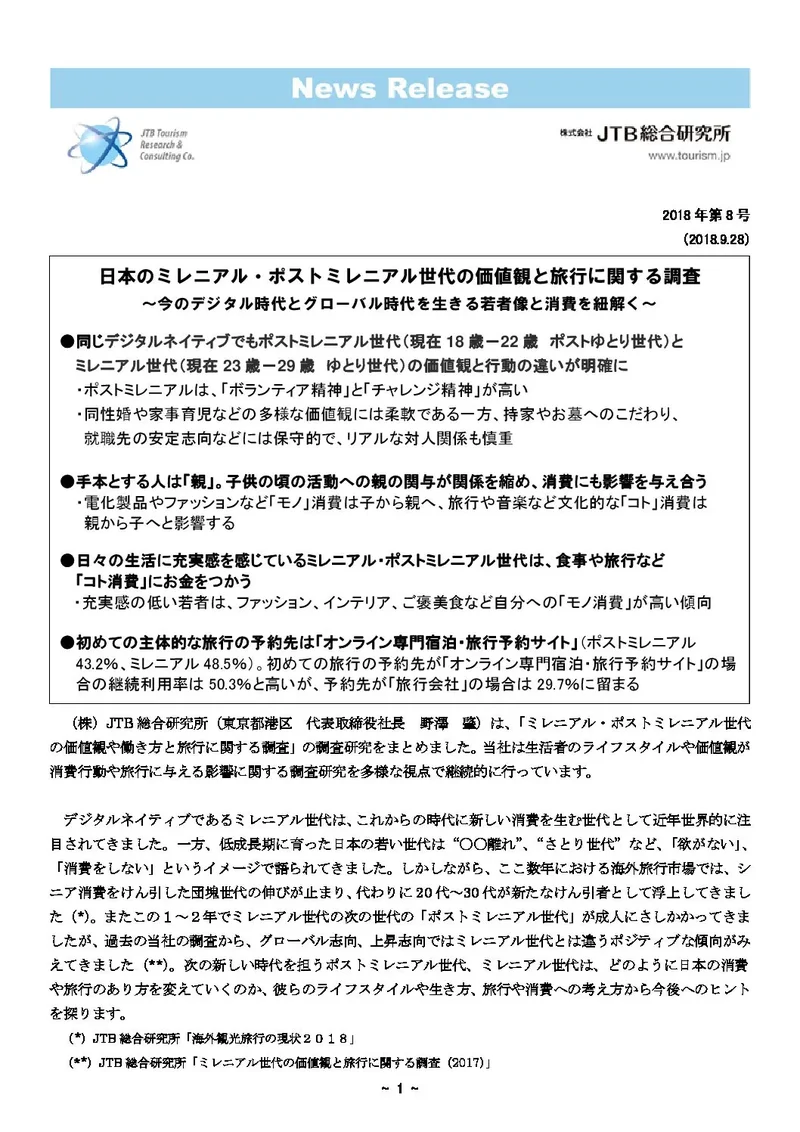
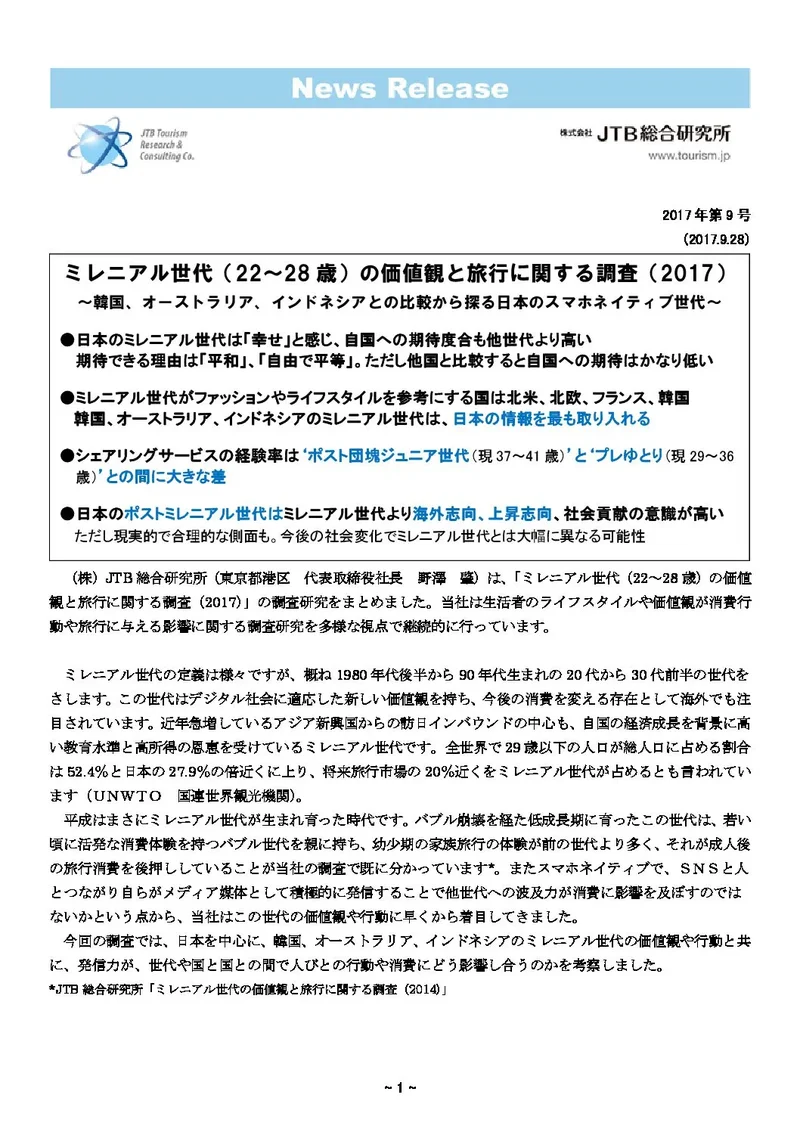
- Before the COVID-19 crisis, interest in green living, sustainability, and local products was primarily concentrated among Millennials (ages 18–40). Since the crisis, interest has expanded to include women over 40, some Baby Boomers, and Generation X (generally those born between 1965 and 1980).
(3) The Shift Toward Green Travel
- During the COVID-19 pandemic, while luxury goods are not considered necessities, travel and experiences are perceived as essential.
- Approximately 40% of respondents said they are “very likely” to consider traveling abroad again once travel restrictions are eased. They are eager to travel, even if it means incurring additional expenses, in order to do so in a safe and appropriate environment.
<Key Responses>
- "Safe and clean flights and hotels are more important than carrying luxury items."
- There has been a significant increase in independent travel. When traveling, 20% would like to have a private driver, and 17% would like to use a private yacht, helicopter, or jet.
- 43% request that "the number of guests at accommodation facilities be kept to a minimum" to ensure safe and comfortable stays at hotels and resorts.
- 38% plan to spend the same amount on hotel and resort stays as they did before the COVID-19 crisis. 25% are willing to spend more than before the crisis. With additional budgets, they prioritize environments surrounded by nature and away from crowds, even if they are not entirely private.
- Intent to fly has declined. 45% intend to reduce their use of long-haul flights for leisure compared to before the COVID-19 crisis, and 38% intend to reduce their use of short-haul flights for leisure.
- One-third do not plan to change their personal travel budgets. Thirty-nine percent do not intend to reduce their budgets for leisure travel by air. Thirty-two percent do not plan to reduce their budgets for short-haul business flights.
As such, the spread of COVID-19 has further heightened awareness among the affluent regarding environmentally conscious, sustainable, and local options. Particularly noteworthy is that this trend is expanding beyond the traditional Millennial generation to include Generation X and women aged 40 and older. However, the survey suggests that the shift in values toward sustainability and local products among the affluent stems not so much from a sense of gratitude toward their communities, but rather from a desire to protect their own health and wealth. It is anticipated that this trend will intensify further due to growing anxiety about the future.
2. Sustainability Led by Affluent Millennials: A Shift from the Fashion Industry to the Larger Fashion Sector
This trend toward sustainability, centered on affluent Millennials, was already evident before the COVID-19 pandemic. The haute couture sector was the first to detect this shift and respond to it. Today, “sustainable local luxury” has become a trend across the entire fashion industry, extending far beyond affluent Millennials.
(1) In recent years, luxury brands have targeted affluent Millennials
Leading global luxury brands have been making a serious push for several years now, positioning Millennials as their primary target audience. Key initiatives include appointing up-and-coming creative directors, refreshing product lines through collaborations with streetwear brands and artists, appointing ambassadors who hold influence over this demographic, and strengthening digital communication.
At the same time, they have been promoting efforts to establish environmentally efficient business models. In 2019, they signed “The Fashion Pact,” pledging to work toward achieving specific shared goals in the areas of climate, biodiversity, and the oceans. The pact was announced at the G7 Summit held in Biarritz on August 26, 2019, and a committee was formed by approximately 30 CEOs from the fashion industry, led by François-Henri Pinault, Chairman and CEO of the Kering Group. It is composed of multinational corporations comprising many major fashion companies, including Inditex (owner of Chanel, Burberry, Nike, Adidas, and Zara) and the H&M Hennes & Mauritz Group. As of November 2020, 60 signatories from 14 countries have joined, and more than 200 brands are advancing initiatives under the agreement. Gucci’s efforts are particularly noteworthy.
● Gucci’s Initiatives
The Kering Group (headquartered in France), a global luxury group that owns world-renowned brands such as Gucci, Saint Laurent, Balenciaga, Bottega Veneta, Stella McCartney, and Puma, reported that as of 2018, millennials accounted for 30–40% of its sales. In particular, the “reborn Gucci” has achieved massive global success.
Against the backdrop of growing interest in sustainability among the affluent, Gucci is advancing initiatives that place sustainability at the core of its business. The brand is developing new eco-friendly materials—such as “fabric” made from spider silk DNA and “leather” made from mushroom cells—and continues to work toward finding long-term alternatives in anticipation of a future where leather and cotton may no longer be viable. As part of these efforts, Gucci announced 10 sustainability initiatives on April 22, 2020.
<10 Key Initiatives Achieved by "Gucci" to Date>
- Achieving carbon neutrality across the company and its entire supply chain
- Launching the “CEO Carbon Neutral Challenge”
- Donating 0.5% of media spending on advertising campaigns featuring animals to the Lions’ Share Fund led by the United Nations Development Programme (UNDP)
- Publishing environmental impact data with high transparency through an Environmental Profit and Loss Statement
- Aiming to reduce environmental impact by 40% by 2025
- Utilizing clean energy in stores, offices, and warehouses
- Developing and sourcing sustainable materials
- Circular approach through the “Gucci Up Program” (upcycling leather and textile scraps)
- "Scrapless Program" to minimize leather processing steps
- Collaboration with partners and stakeholders
In the FY 2020 edition of the “Fashion Transparency Index,” published annually by Fashion Revolution—a UK-based nonprofit aiming to support workers in the supply chain and promote transparency in the fashion industry—Gucci received the highest score among luxury brands, ranking first for the second consecutive year. Additionally, in the “Best Global Brands 2019” ranking by Interbrand—which evaluates global brand value—Gucci ranked among the top five brands with the highest growth rates. Gucci was recognized for “embodying self-expression, gender equality, and diversity through its brand, captivating the millennial generation via social media.”
*References
: GUCCI website “GUCCI EQUILIBRIUM”
; Hypebeast “2020 Ranking of ‘The World’s Most Transparent Fashion Brands’ Announced”
(2) Expansion into Gen Z: Consumption Trends That Differ Significantly from Millennials
While Gucci enjoys overwhelming popularity among Millennials, the fastest-growing segment within the brand is currently Generation Z. Various surveys project that by 2025, Millennials and Generation Z will account for 45% of total luxury spending. Meanwhile, the distinct consumption preferences of Generation Z, which differ from those of Millennials, are also drawing attention.
For example, the U.S. advertising agency Barkley states, “While Millennials tended to prioritize personal experiences over material possessions such as cars and homes, Gen Z tends to work seriously and diligently toward success in finance, education, and career, as well as the ownership of material goods, much like older, traditional generations. These characteristics and will have a significant impact on society and the market in the future,” positioning Generation Z, like Millennials, as an “extremely important generation.”
3. New Travel Values Led by Affluent Millennials and Expectations for the Tourism Industry
Regarding future travel spending by the affluent, the aforementioned ILTM “GLOBAL HEATMAP: HOW COVID-19 WILL SHAPE 2021” survey (released in October 2020) suggests the following trends regarding the travel intentions of the affluent over the next year.
(1) Travel spending over the next year suggests a recovery starting in the third quarter of 2020
- Attitudes prior to 2020: Approximately 45% said they planned to spend more on travel within the next year, while only about 10% said they planned to cut back.
- Attitudes in the first half of 2020: Due to the rapid spread of the virus, the percentage of respondents who said they would spend more on travel dropped to 28%, while the percentage of respondents planning to cut travel expenses surged to 45%.
- Sentiment in Q3 2020: 40% planned to cut travel expenses, while 30% planned to spend more on travel, driven largely by Asia (41%).
(2) Emphasis on Sustainability
- For three consecutive quarters, the percentage of respondents who consider “sustainability important” has risen.
- In Q3 2020, 56% of respondents said “sustainability is important” and 31% said “it is somewhat important,” accounting for nearly 90% of the total.
In Q3 2020, 35% of respondents said they would be willing to pay 10% more for sustainable brands and services, with men slightly more likely to do so.
<Respondent Comments>
- "I still want to travel abroad and go on cruises. However, for safety reasons, I might choose a different kind of vacation." (American, 40+)
- “I carefully check whether companies act in a sustainable manner and avoid purchasing services or products from those that do not” (British, 40+ years old)
However, given the current situation where the spread of infections has not yet subsided in Europe and the U.S., recovery is expected to be delayed. According to the Japan National Tourism Organization (JNTO), it is said that the recovery of global travel demand will be driven by the affluent and the millennial generation. These two groups tend to seek authentic experiences and are willing to spend generously on activities they find meaningful or aligned with their interests.
Numerous studies suggest that what is recognized as “good” among the affluent tends to become an object of aspiration for the mass market. Brands endorsed by the affluent and trends that gain traction become “aspirational,” potentially influencing and spreading to everyone. While the millennial generation, often called digital pioneers, utilizes social media, they conduct careful research before making judgments or choices, requiring a “quality over quantity” approach to communication. By understanding the needs of the millennial generation—who support the affluent market—and adopting an approach that fosters and promotes new values, we can expect not only a recovery in travel demand but also an enhancement of the significance and standing of tourism and travel within society, as well as an increase in the value of those involved in the tourism industry.