An earthquake struck Croatia, a country known for its warmth

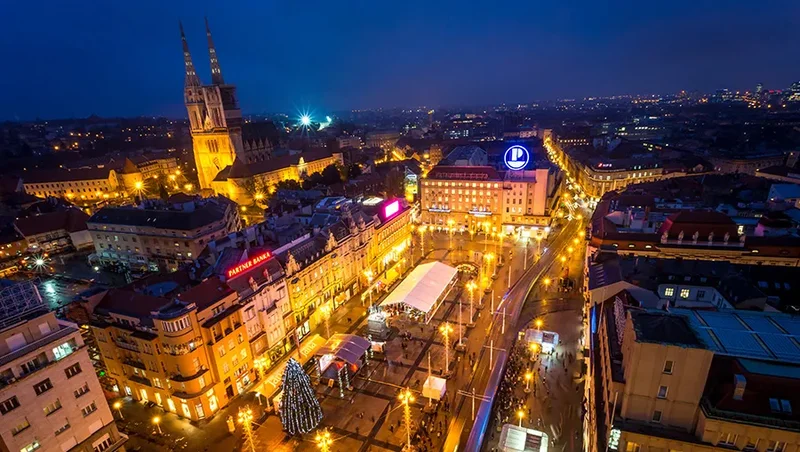
It has been more than 20 years since Croatia, my father’s homeland, gained independence, and the country has overcome many challenges during its transition from communism to democracy. Croatia currently has a population of 4.1 million and is the 28th member of the European Union, as well as a member of NATO (North Atlantic Treaty Organization). Overlooking the beautiful Adriatic Sea, this Eastern European country is home to 10 UNESCO World Heritage Sites and 17 Intangible Cultural Heritage sites as of 2021, and is also known as a country of fine cuisine.
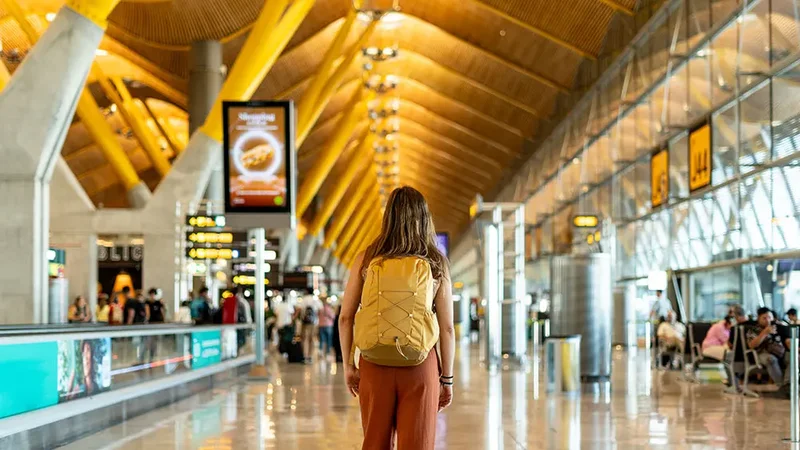
A year ago, no one could have imagined that the novel coronavirus would change the world to such an extent. Like other European countries, Croatia has been forced to wage an unprecedentedly tough battle against a constantly mutating virus. In Croatia, after the first lockdown in April, the country managed to reduce the number of new infections to zero, lifting the lockdown in May and opening its borders to domestic and international tourists. As a result, from January to December, the cumulative number of overnight stays in the country recovered to 50.05% of the previous year’s level, achieving an excellent performance even amid the pandemic. While everything appeared to be recovering smoothly, new cases began to surge rapidly, reaching a daily record of 4,620 new cases in December. Strict restrictions on daily life have been reimposed, and the country now faces the difficult challenge of finding the right balance to maintain both public health and economic activity.
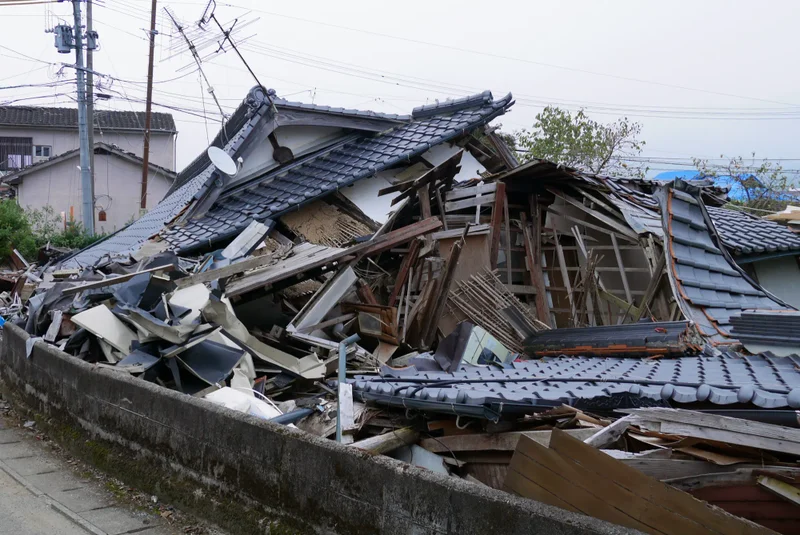
Then, on December 29, 2020, a magnitude 6.4 earthquake struck Croatia, causing thousands of homes and buildings to collapse. Many families lost their daily lives, with casualties including deaths and injuries. The towns of Petrinja, Sisak, and Glina, located in the Croatian interior, along with nearby villages, suffered the most severe damage from this earthquake. As of mid-January, the Croatian government is assessing each home and has announced that more than 2,500 homes are already uninhabitable. It appears that some of these include homes rebuilt after the war. Since Croatia is a country with few earthquakes, the damage was severe due to the weak seismic resistance of buildings, and securing housing for the victims is currently considered the top priority. The government is also proceeding with priority COVID-19 vaccinations in the affected areas.
Croatia has rapidly developed its tourism industry in the short time since the end of the war. In 2019, when tourist numbers reached a record high, more than 17.3 million foreign tourists visited Croatia, including over 150,000 from Japan. Croatians are friendly and generally speak three or four languages, which is likely one of the reasons many tourists feel “welcome.”
Nine years ago, when the Great East Japan Earthquake struck, many Croatians sent messages of encouragement and donations to Japan, showing their solidarity with the victims. Footage from that same period shows demonstrations against the government taking place within Croatia; however, as the demonstrators passed near the Japanese Embassy, they observed a moment of silence. This display of consideration for Japan allows us to truly appreciate the kindness of the Croatian people.
News of this massive earthquake—one of the largest in Croatian history—has already reached the people of Japan, and voluntary efforts to collect messages and donations have begun. We hope this will demonstrate the friendship between Japan and Croatia and that the circle of support will continue to grow.
For inquiries regarding information on Croatia or support efforts, please contact the Croatia Heartful Center.
著者