Hot Spring Travel in the Era of the 100-Year Life: Kinosaki Onsen—At the Forefront of Universal Tourism for Healing Body and Soul
For older adults, visiting hot springs is one of the main reasons for traveling, but the reality is that changes in physical abilities often prevent them from fulfilling this wish. Addressing this challenge by establishing a community-wide support system is key not only to helping older adults themselves but also to opening up new possibilities for multigenerational travel. In this article, we examine how professional support can transform the family travel experience, drawing on initiatives from Kinosaki Onsen in Hyogo Prefecture.
Barriers to Hot Spring Travel Faced by Older Adults
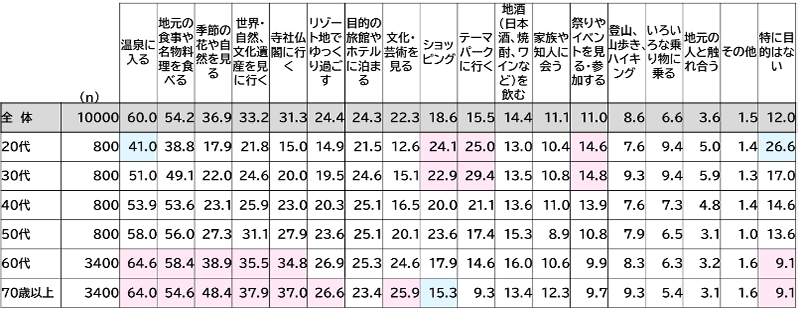
According to a survey by JTB Tourism Research & Consulting (*1), travel among the elderly tends to be highly “purpose-driven,” and among these purposes, “hot springs” are considered one of the most important. Hot springs are not merely a tourist attraction; they hold special significance for many people as an experience that brings physical and mental recovery and a break from daily life.
On the other hand, due to changes in physical function associated with aging, it is not uncommon for the hot spring experience itself to become difficult. This situation is believed to be affecting the very opportunities for seniors to travel.
Hot spring facilities present several physical and environmental challenges for older adults and those with physical limitations. Specifically, these include the risk of falls due to slippery floors, difficulties in moving around or bathing due to a lack of handrails, and situations where the only access route to the main bath area involves stairs. Furthermore, even on family trips, there are restrictions preventing members of the opposite sex from accompanying each other into the main bath, resulting in situations where people are forced to forgo bathing altogether.
Even on group tours, tour guides’ duties are limited to ensuring the smooth operation of the trip, and in reality, it is difficult for them to provide nursing care or physical assistance.
Thus, while there is a desire to “bathe in hot springs,” the lack of adequate facilities to meet this need serves as a barrier to travel participation for the elderly. This places a significant burden not only on the elderly themselves but also on the family members responsible for their care, often leading them to give up on the trip altogether.
The Reason for Family Bonds and Smiles at Kinosaki Onsen
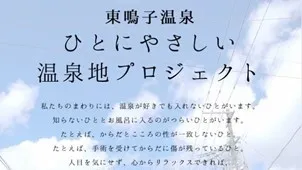
Kinosaki Onsen in Hyogo Prefecture is an example of a community that has presented concrete solutions to these challenges. The region has established a support system that goes beyond mere facility improvements to incorporate “human-centered support” (Kinosaki Onsen Universal Tourism). By providing professional, specialized support—rather than simply extending the burden of family care—this initiative creates new value in travel.
I recently accompanied a monitoring tour to experience this initiative firsthand. The participants were a three-generation family consisting of an elderly father who uses a wheelchair, his daughter, and his elementary school-aged grandchild. Upon arrival, they appeared anxious about mobility and bathing, and the participants spoke very little.
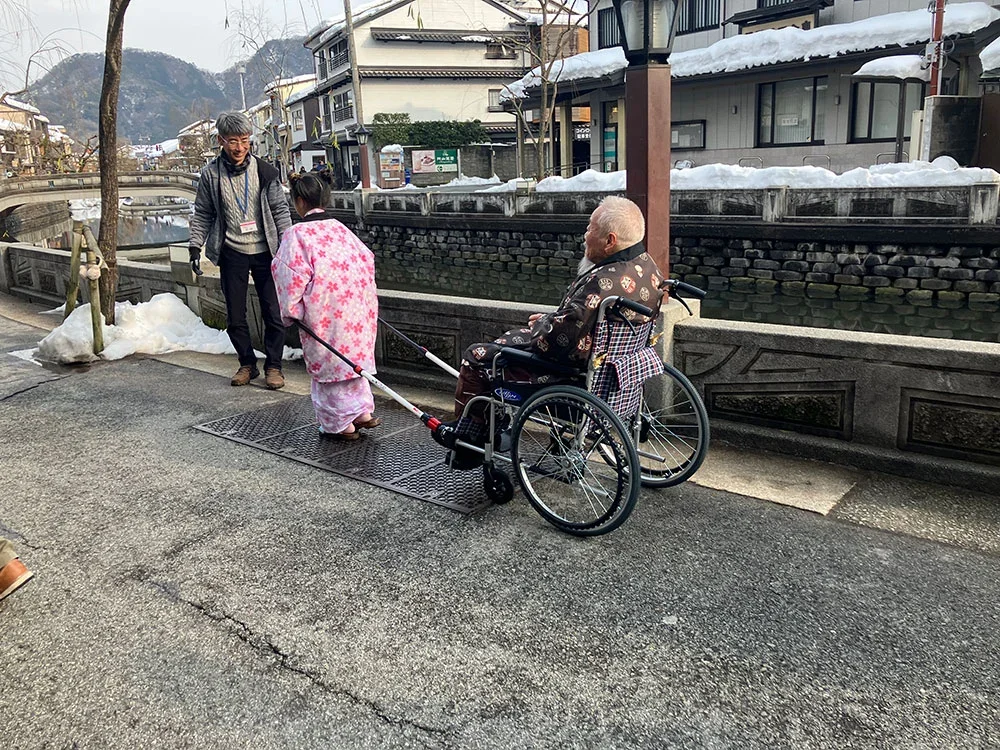
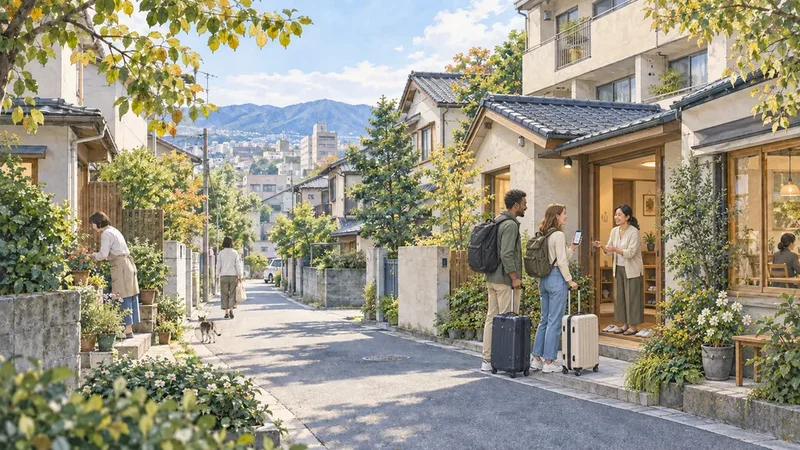
During their stroll through the hot spring town, they changed into yukata robes that were easy to put on even while in a wheelchair. A caregiver assisting with mobility used a pull-type wheelchair aid to support their walk, and smiles began to appear once they soaked in a foot bath accessible while seated in the wheelchair.
When bathing in the hot springs at the lodging facility, caregivers specializing in bathing assistance took the lead, providing support with full consideration for safety. What was particularly impressive was that the father, who had not visited hot springs for many years, took his time enjoying the bath. According to the caregivers, although walking was difficult before the bath, there were moments after the bath when he walked to the open-air bath on his own.This suggests that, in addition to the physical benefits of the hot springs, the sense of “I can do this” may have led to a change in behavior.
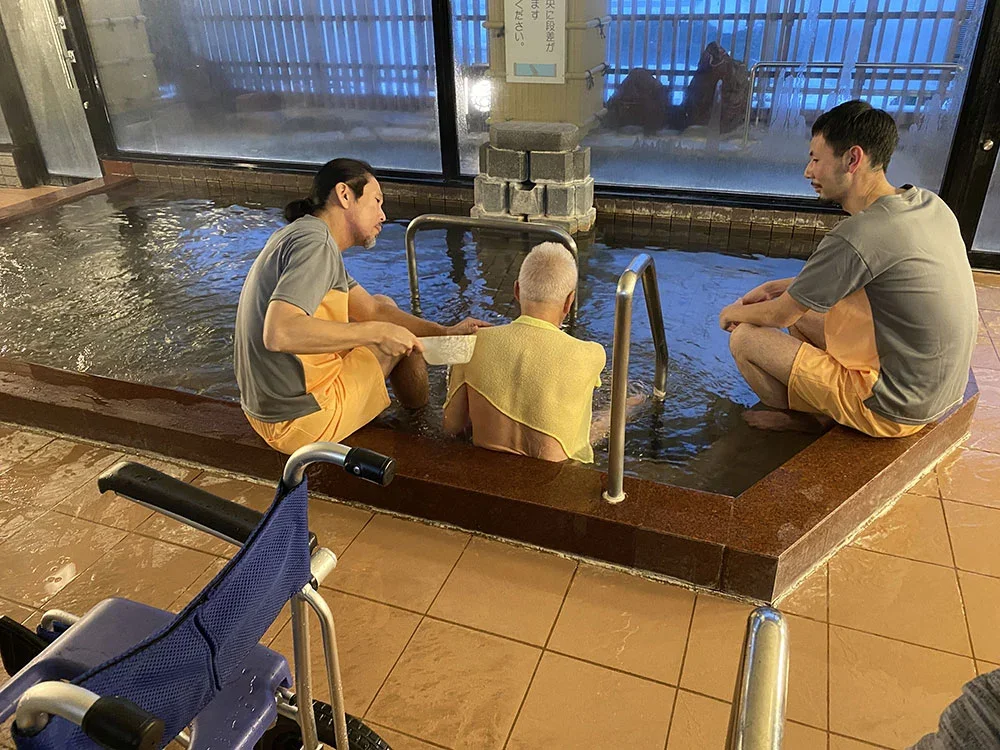
The family’s reaction was also striking. The daughter remarked, “Having professional support allowed me to entrust him with peace of mind, giving me the freedom to enjoy the trip myself.” This is a key point demonstrating that reducing the burden of caregiving improves satisfaction for the entire family.
In addition to hot spring bathing, this tour incorporated local sightseeing and hands-on activities. During the visit to the Stork Village Park and the soba-making experience in Izushi, natural interactions across generations took place, with smiles always present, enriching the family’s time together.
The words of a travel agency employee who accompanied the group as an observer also left a lasting impression: “It made me realize once again that I am in the travel industry for the sake of these smiles.” This single remark spoke volumes about how the experience of travel brings irreplaceable joy not only to those who participate but also to those who provide it.
Through this series of experiences, it can be said that establishing a support system not only opens up travel opportunities for groups that previously found it difficult to participate but also concretely demonstrated the potential for three generations to enjoy a trip together from the bottom of their hearts.
New Roles for Tourism Operators and Local Communities
This case study has once again highlighted the importance of “creating an environment where everyone can enjoy travel.” The promotion of so-called universal tourism will become an indispensable perspective for the future of the tourism industry.
In particular, as society continues to age, demand for services that combine caregiving and tourism is expected to rise further. This holds the potential not only to stimulate the desire to travel among the elderly themselves but also to create a new market for three-generation travel, catering to families seeking to reduce the burden of caregiving.
On the other hand, challenges remain regarding the use of such services, including the complexity of arrangements and cost burdens. To promote their widespread adoption in the future, it is hoped that an accessible environment will be established, such as through the development of subsidy programs and the creation of simple online reservation systems.
“Making travel accessible to everyone.” To achieve this, the role played by tourism businesses and local communities is expected to become increasingly significant in the future.
著者