“Tourism × Well-being” — The Evolution of Health Tourism
In today’s increasingly complex world, widespread stress has become a major social issue. Against this backdrop, the concept of “well-being” has garnered significant attention as people seek to define what “happiness” truly means. As an expert in applied health sciences who has conducted research and worked on the practical implementation of health tourism, the author examines how tourism can contribute to solving social issues related to well-being, drawing on concrete examples.
1. The Rise of Well-being as a Value
Recently, the term “well-being” has become increasingly common. Well-being is a long-standing concept that refers to “happiness” and “health,” as mentioned in the 1946 WHO (World Health Organization) Constitution’s definition of health. Because well-being is utilized across a wide range of academic disciplines and fields, there are various definitions and interpretations of it.Although it is widely used to refer to the aforementioned “happiness” and “health,” it can be broadly categorized into three types: (1) “medical well-being,” which concerns physical and mental functions; (2) “hedonistic well-being,” which relates to temporary and subjective emotions; and (3) “sustained well-being,” which refers to a state of vitality achieved by realizing one’s physical and mental potential within relationships with others.Currently, there is a global trend toward understanding well-being in a sustainable and comprehensive manner, as embodied by the third concept, and the definition based on the PERMA theory in positive psychology is widely recognized.Specifically, it comprises “positive emotions” consisting of enjoyment, euphoria, comfort, and warmth; “engagement,” a state of being fully absorbed and focused to the point of forgetting everything else; “meaning,” where connections and relationships with others give life meaning and purpose;“relationships” with others—such as having people who care about you—and “accomplishment,” which is pursued for its own sake. This framework asks what truly makes us happy. Research on this concept of well-being has advanced rapidly since around 2000, and it has become a key concept across multiple international research fields. However, the spread and prolonged nature of the COVID-19 pandemic have further accelerated discussions surrounding these new values.
2. The Social Implementation of Well-being, Moving Beyond Healthcare and Wellness
In recent years, as the concept of wellness has been updated as described above, new forms of social implementation have begun to emerge. For example, Goal 3 of the Sustainable Development Goals (SDGs) adopted at the United Nations Summit—"Ensure healthy lives and promote well-being for all at every stage of life"—is phrased in the original text as "GOOD HEALTH AND WELL-BEING." Meanwhile, local governments in Japan have also begun implementing well-being policies.In Arao City, Kumamoto Prefecture, where I was involved in planning new urban development as a “wellness hub,” the city has evolved the concept of “well-being” (a state of physical and mental health and happiness) to encompass elements of “happiness” in conjunction with smart city initiatives,further integrating the human-centered concept of Society 5.0. By co-creating pioneering value through human interaction and technology, we aim to build a city where everyone—residents and visitors alike—can safely feel happy and maintain a state of physical and mental well-being.” This led to the city being officially named the “Arao Well-being Smart City” in 2019.Initially, discussions were limited to the concept of a “wellness hub,” but as the city government and citizens sought to pursue a state of true happiness, these efforts led to the development of the well-being vision during the exploration of smart city initiatives. Additionally, in Toyama Prefecture, the “True Happiness (Well-being) Strategy” was unveiled as part of the “Toyama Prefecture Growth Strategy” announced in February 2022, and the “Well-being Promotion Division” was established within the Growth Strategy Office of the Governor’s Policy Bureau.
Meanwhile, in the “Basic Policy for the Digital Garden City Nation Concept” (Cabinet Secretariat Secretariat for the Realization of the Digital Garden City Nation Concept), announced in June 2022 and aimed at creating a society where anyone can live conveniently and comfortably anywhere in the country, the concept of well-being is central to the section on “Sharing Values for the Realization of the Concept.” Furthermore, the policy calls for the implementation of policies and evaluations based on “Well-being Indicators.”
3. The Evolution of Health Tourism Based on a Well-being Approach
Looking at Japan’s tourism industry, while the keyword “well-being” is used, the current reality is that it is merely utilized occasionally within the same healthcare concepts and wellness programs as traditional health tourism (including wellness tourism). It is difficult to find comprehensive concepts or services that pursue true happiness within this context.
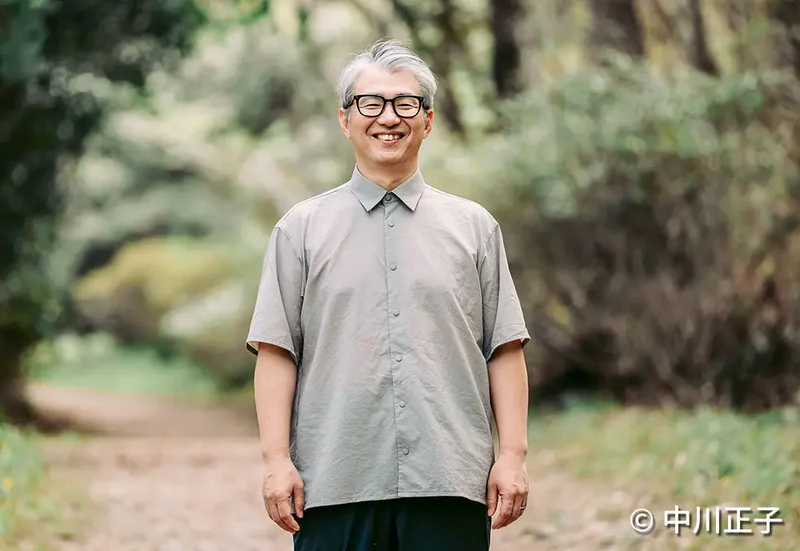
The author has been involved in research, business development, and product development related to “health tourism” for many years, drawing on insights from sports and health sciences.Initially, my work centered on research and development that incorporated health elements starting from the tourism sector. However, I gradually began receiving requests from local communities to apply health tourism to “health-oriented community development.” These requests indicate a growing recognition that, amid declining populations and an aging society, health promotion activities—including social interaction—can also contribute to solving local challenges.On the other hand, as we sought to achieve tangible results (business performance and benefits for participants) through health tourism services, we found that an approach limited solely to the tourism sector had its limitations, making collaboration with various other service sectors necessary. Furthermore, we came to realize that the core of these services lies not in distinguishing between target groups such as residents and visitors, but rather in building relationships through their interactions.
As times change, people’s perspectives on health—such as sustainable well-being—are shifting toward a sustained pursuit of true happiness. Therefore, I would like to discuss the potential for incorporating well-being metrics and concepts into health tourism. A comparison of health tourism metrics and well-being metrics reveals the following differences (Figure 1).
While health tourism refers to “activities aimed at restoring or promoting health within the enjoyment of travel, as well as activities that reduce health risks through travel,” well-being refers to “a state of health and happiness.” Although the two cannot be compared simply, it may be said that there is room to adopt content beyond direct health behaviors, as well as methods found in well-being metrics, into health tourism.
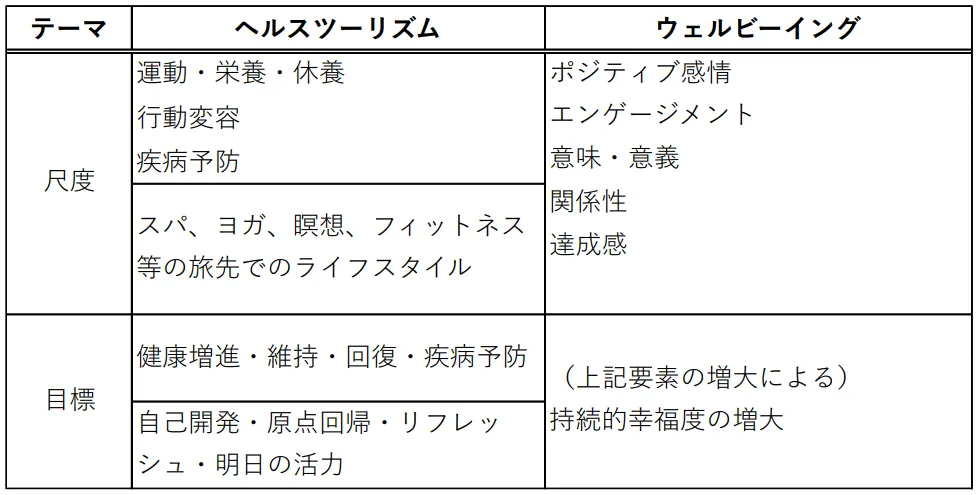
adapted from Martin Seligman, “The Challenge of Positive Psychology” (Discovery Twenty-One)
There is an interesting analysis regarding well-being in the tourism sector. According to “Positive Psychology and Tourist Well-being: A Systematic Literature Review” by a research team led by marketing researcher Sarah Varda, an analysis of international prior research concludes that “the benefit of tourists experiencing ‘happiness’ lies in promoting their health.”The study also notes the marketing implications, suggesting that the pursuit of happiness leads to tourists’ intention to return and fosters a sense of attachment to the destination. In other words, incorporating a well-being perspective into health tourism could potentially transform the significance and functions of such initiatives.
4. The Challenge of Developing Programs that Reflect Well-being Elements: A Case Study from Toyooka City, Hyogo Prefecture
Toyooka City, Hyogo Prefecture (hereinafter “the City”) is a municipality with a population of 77,489 (2020 Census) formed by the merger of one city and five towns (Toyooka City, Kinosaki Town, Takeno Town, Hidaka Town, Izushi Town, and Tando Town) located in the northeastern part of Hyogo Prefecture.Approximately 80% of the area is forested, and blessed with a rich natural environment, the city thrives in agriculture, forestry, fisheries, and tourism. However, it faces challenges common to regions nationwide, such as a declining birthrate and aging population, an increase in single-person households, and the trend toward nuclear families. Additionally, while about 80% of young people leave the city upon graduating from high school, the return rate in their 20s remains at around 40%.
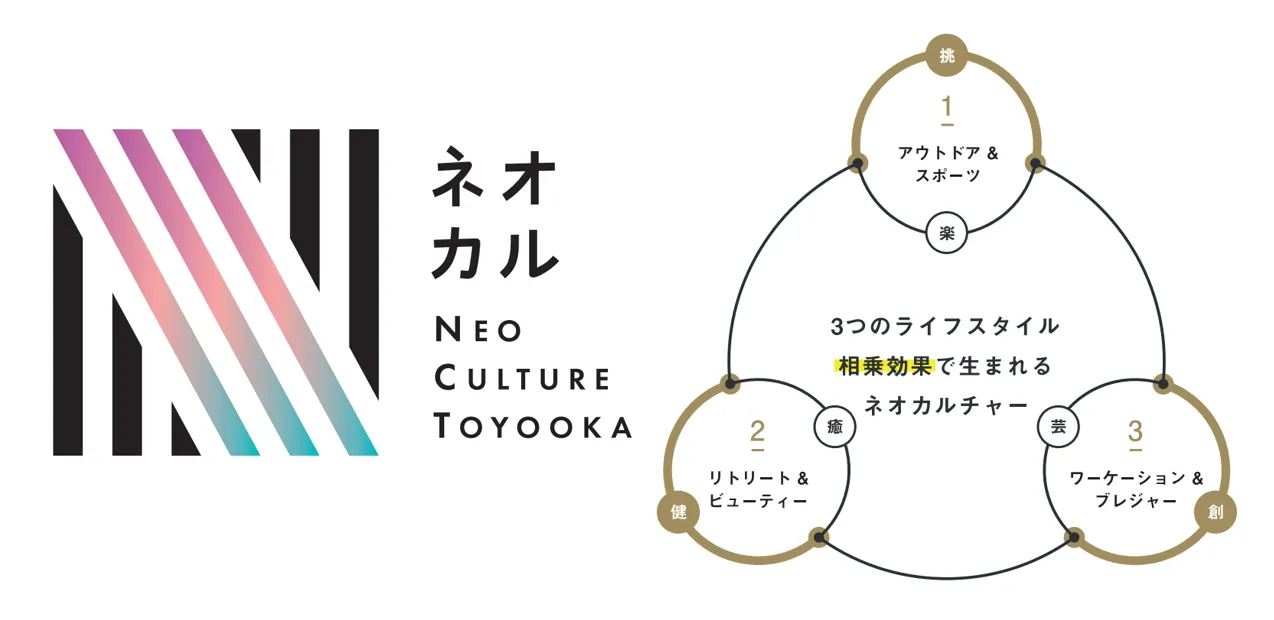
Under the “Toyooka City Grand Exchange Vision,” the city has redefined “tourism”—one of its core industries—as “exchange,” and has established a tourism policy aimed at fostering dialogue and communication. As part of this initiative, while developing the “Toyooka Community Tourism Project”—a form of travel centered on empathy and interaction—the city began exploring the “Health & Sports Tourism Project” in 2021.Envisioning the post-COVID era, the city identified “Outdoor & Sports,” “Retreat & Beauty,” and “Workation & Bleisure” as potential application areas for sustainable health tourism. Through repeated discussions with businesses and citizens, this vision was refined. As a result, a new service category was developed under the brand “Neo-Cal TOYOOKA: A City Where You Talk to Your Body, Listen to Your Heart, and Make Connections”—a lifestyle concept that makes no explicit mention of health or sports.The service categories are as follows:
- Outdoor & Sports: “Challenge and Growth,” aimed at self-transformation and growth experiences
- Retreat & Beauty: "Healing and Health," designed to offer therapies that leverage the blessings of nature and the town’s status as a sanctuary for art
- Workation & Bleisure: “Art and Creation,” which leverages the town’s function as a community where various artists gather and stay
These initiatives are rooted in the concept of well-being and focus on how participants and service providers can create a state of happiness. As a result, a key feature is the provision of an experiential culture that transcends the boundaries of mere tourism, health promotion, or cultural and sports activities, offering a unique experience to both residents and visitors.Furthermore, from a regional perspective, while citizens can be beneficiaries of these services, they also have the potential to become service providers by leveraging their own areas of expertise, and Toyooka’s initiatives are designed to foster such opportunities.
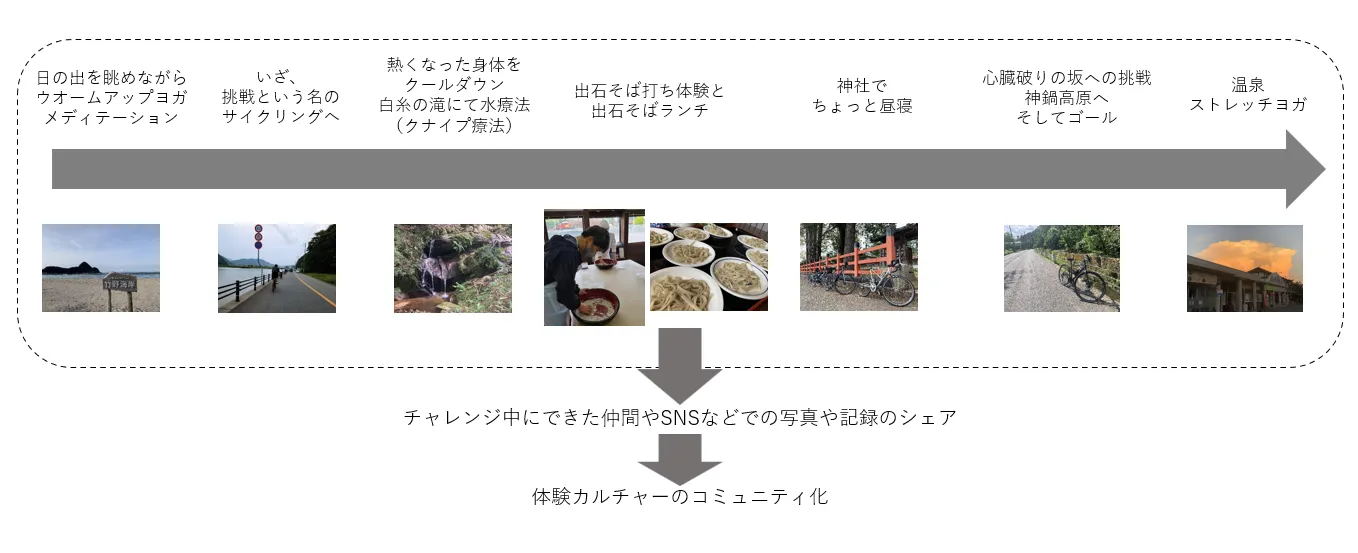
The following is an example from the “Outdoor & Sports” category of this program. Named “(Tentative Title) TOYOOKA Challenge Ride & Retreat,” this program is a challenging 60-kilometer cycling route that traverses Toyooka City. In addition to using a distance that is challenging for non-cyclists to foster a sense of “achievement” in terms of well-being, another distinctive feature is the inclusion of yoga and meditation sessions before the main sports program.These elements are intended to draw out participants’ concentration and unlock their unexpected potential. This approach fosters “engagement” in the context of well-being and is increasingly being adopted in competitive sports and similar settings. Moving forward, we are also considering ways to apply this program to build “relationships” through community-building efforts, such as having participants share photos and records using a common hashtag.
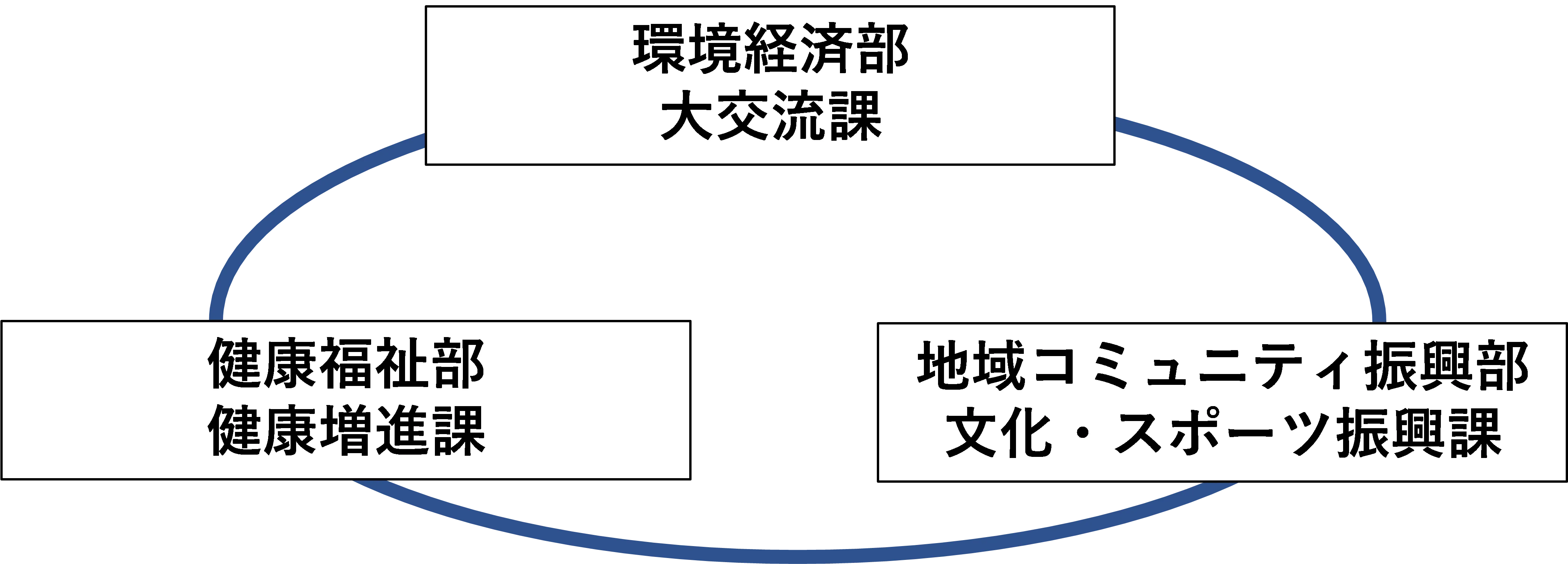
This case study is an example of how a deep dive into health and sports tourism initiatives led to the integration of a well-being perspective.However, well-being cannot be achieved through experiential culture alone. It is also necessary to create mechanisms that foster relationships and a sense of accomplishment without limiting the scope to a single domain. In Toyooka City, the initiative has evolved into a system where not only the tourism department (Large-Scale Exchange Division) promoting this project but also the Health Promotion Division and the Culture and Sports Promotion Division are involved, working together to advance the initiative. This cross-sectoral approach is expected to generate synergistic effects.
The project’s implementation also has distinctive features. To encourage participation from businesses and citizens, the city has made its “Brand Management Policy” and “Program Development Standards” publicly available in an open-source-like format, creating an environment where anyone can freely plan and develop programs. Regarding programs, a mechanism is planned to ensure their sustainable creation: as long as they meet certain standards, organizers will be able to freely post information on the information and sales platform (Neo-Car LP) or sell their programs.
The vision and initiatives discussed in this paper are still in their early stages. Although research is progressing, the definition of happiness varies from person to person, and establishing mechanisms within the tourism sector and verifying the effectiveness of programs remain challenges for the future. However, as mentioned earlier, the marketing benefits of tourism programs based on a well-being approach are beginning to be verified.Furthermore, the clear systematization and programmatization of well-being is expected not only to create opportunities for a sense of purpose and serve as a model for healthy and happy lifestyles, but also to lead to the effective utilization of limited local resources. In this regard, we believe that the concept of well-being will make a significant contribution to the tourism sector as a new service standard and a perspective for service development.
[References]
Ed Diener, Martin E. P. Seligman (2018). “Beyond Money: Progress on an Economy of Well-Being.” Perspectives on Psychological Science 2018 Mar;13(2):171-175.
Ed Diener, Martin E. P. Seligman, Hyewon Choi, Shigehiro Oishi (2018). “Happiest People Revisited” Perspectives on Psychological Science 2018 Mar;13(2):176-184.
Masaya Kobayashi, “Introduction to Positive Psychology and Scientific Mental Wellness,” Kodansha Sensho Metier
Toyooka City, “Overview of Toyooka City,” accessed August 13, 2022
Toyooka City, “Toyooka City Grand Exchange Vision: Toward the Realization of a Small World City”
Sera Vada, Gatherine Prentice, Noel Scott, Aaron Hsiao (2020). “Positive Psychology and Tourist Well-being: A Systematic Literature Review.” *Tourism Management Perspectives* 33
Secretariat of the Cabinet Secretariat’s Council for the Realization of the Digital Garden City Nation Concept, “Basic Policy on the Digital Garden City Nation Concept,” accessed August 9, 2022
Martin Seligman, “The Challenge of Positive Psychology: From ‘Happiness’ to ‘Sustained Well-being’” (Translated and edited by Kaori Uno), Discover 21
Takashi Maeno, *Practical Positive Psychology: The Science of Happiness*, PHP Shinsho
Takashi Maeno, Madoka Maeno, *Well-being*, Nikkei Bunko
Junji Watanabe, Dominique Chen, Hideyuki Ando, Kyosuke Itakura, and Aiko Murata, “Creating Our Well-being Together: Its Philosophy, Practice, and Techniques,” BNN