We are entering an era where "prevention" and "immunity" are key concepts in travel
In the era of "living with COVID-19" and "post-COVID-19," the type of travel that deserves our attention now is travel designed to "boost immunity." Drawing on global tourism trends that aim to revitalize minds and bodies exhausted by the pandemic through lush natural surroundings, functional foods, and traditional local therapies, we explore the new approach to travel that Japan needs to embrace.
Due to the spread of the novel coronavirus (hereinafter referred to as COVID-19), people have begun to focus on prevention on a “global, simultaneous, and long-term” scale.
This heightened awareness of prevention has led to a greater emphasis on the value of “boosting immunity,” which is also driving the market. The shift in values brought about by the COVID-19 pandemic is equally evident in the travel industry, where a “new form of travel” centered on the keyword “immunity” for preventive purposes is beginning to take shape worldwide. We will explore how Japan’s tourism industry can capitalize on this trend and consider new forms of travel for the post-COVID era.
1. Focus on "Immunity" Due to COVID-19 and Shifting Values Regarding "Travel"
Most of the new lifestyles required during the COVID-19 pandemic involve “endurance” and “self-restraint,” and it is believed that many people are experiencing long-term physical and mental fatigue amid a sense of stagnation.
Amid this situation, the latest report from the Global Wellness Summit (GWS)—“The Future of Wellness 2021,” which brings together global leaders in the wellness industry—identifies “immunity” and “travel” as two of the nine wellness trends to watch in the future.
Interest in immunity, in particular, is high. In Japan, new books linking COVID-19 and immunity have been released one after another, numerous online articles have appeared, and functional yogurts and natto have even sold out at supermarkets. These phenomena are also reflected in survey results. According to a survey by CyberAgent Next Generation Lifestyle Research Institute (conducted in June 2020), when asked what they wanted to consciously continue doing even after the end of the COVID-19 self-restriction period, items focused on “immunity”—such as “eating a diet that supports immunity” and “paying attention to lifestyle habits to boost immunity”—ranked highly. Furthermore, according to market estimates by Fuji Keizai Co., Ltd., the domestic market for health and immunity support foods in FY 2020 is projected to reach 882.3 billion yen, a 5.2% increase from FY 2019. This trend is not limited to Japan. Globally, “vitamins” and “herbs” are gaining attention for boosting immunity, and reports indicate a surge in consumer demand in China, Taiwan, Singapore, the Czech Republic, and Chile (Euromonitor 2020). This demonstrates that people across many countries have become interested in “immunity” as a form of self-defense against infectious diseases.
Regarding travel, while maintaining and improving health has long been one of the purposes of travel, this goal has likely become even more prominent in the wake of COVID-19. According to a survey by JTB, the priorities for future travel have shifted from traditional travel focused on “visiting tourist spots and landmarks” to include not only sufficient COVID-19 countermeasures but also “health promotion.” A high percentage of respondents also cited “escaping from daily life” and “rest and relaxation” as key motivations.
Furthermore, travel that focuses primarily on maintaining and improving health—where travelers enjoy healthy activities and programs during their trip—is specifically referred to as health tourism or wellness tourism, and this market is also expanding globally. According to the wellness tourism market research report “Wellness Tourism Market by Type, Application, and Geography – Forecast and Analysis 2020–2024 (2020),” this health-conscious travel market is projected to grow from $738.4 billion in 2019 to $1.05391 trillion by 2024.
To meet these needs, how can we incorporate “immunity” as a preventive measure into future “travel”?
2. How the Immune System Works and the Benefits of Travel
To understand what it means to “boost immunity,” we will explain two key points.
(1) What exactly is “immunity”?
Immunity refers to the body’s defense mechanism against pathogens such as bacteria and viruses. It involves white blood cells and other cells attacking invading pathogens to maintain a stable internal environment. There are two types: innate immunity, which the human body possesses naturally, and adaptive immunity, which remembers information about invading pathogens after attacking them. Vaccines utilize this adaptive immunity mechanism.
(2) How can we boost the “function” of the immune system?
It is said that approximately 60–70% of a person’s immune cells are located in the gut. Therefore, it is important to maintain a healthy gut environment, increase the proportion of beneficial bacteria, and improve their function. (For information on how to maintain a healthy gut environment, please refer to the Ministry of Health, Labour and Welfare’s health information website, e-Health Net.)
In addition to diet, it is also important to improve blood circulation and raise body temperature through moderate exercise and bathing, get high-quality sleep, and reduce stress. Chronic stress, in particular, disrupts the balance of the autonomic nervous system and endocrine system—which stimulate immune function—so it is effective to minimize stressors or temporarily distance yourself from them.
Going on a trip not only encourages moderate exercise but also allows you to temporarily distance yourself from everyday stressors. Experiencing this “break from the routine” is said to stimulate the autonomic nervous system and promote emotional changes, leading to what is known as the “change-of-scenery effect.” We believe that enjoying activities and meals specifically designed to “boost immunity” during such trips can heal and strengthen minds and bodies exhausted by the pandemic.
3. Learning from Global Tourism Examples: A Perspective on "Immune System Enhancement" for Future Travel
To quickly respond to these shifts in public awareness and the growing need for prevention, we will introduce examples from three countries overseas and within Japan that are beginning to focus on healthcare-oriented travel.
First, we’ll look at Thailand and South Korea, where national initiatives are underway.
Thailand has long prioritized health tourism, including medical tourism, but the Tourism Authority of Thailand (TAT) has now launched the “Amazing Thailand Healthy Journey” campaign to further emphasize this focus. The campaign promotes not only advanced Western medicine but also Thai alternative therapies, traditional medicine, and wellness spas, offering post-pandemic travel plans. Meanwhile, in South Korea—a country previously strongly associated with beauty tourism—the government has expanded its scope with the “Korea Wellness Journey” initiative. This campaign introduces not only domestic healing spots and wellness resorts but also “forest bathing” (forest therapy), which the government is actively promoting. Additionally, since 2018, the Ministry of Culture, Sports and Tourism and the Korea Tourism Organization have been designating “wellness tourism destinations,” and in the post-COVID tourism landscape, they aim to attract even more visitors through health tourism.
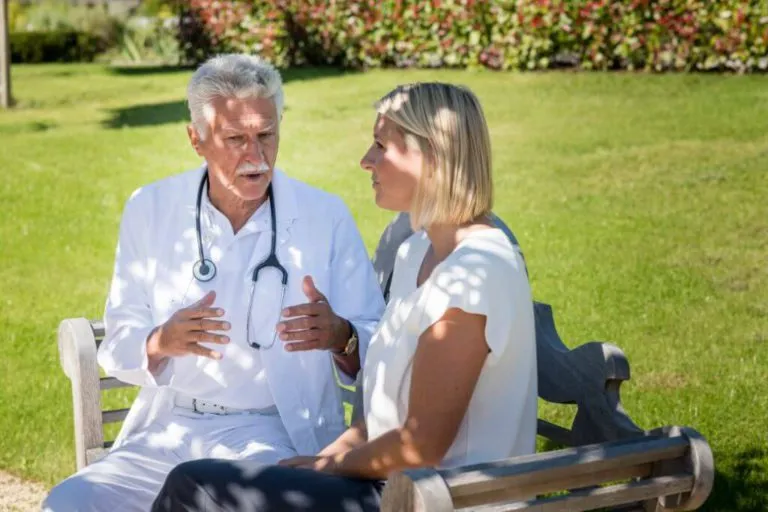
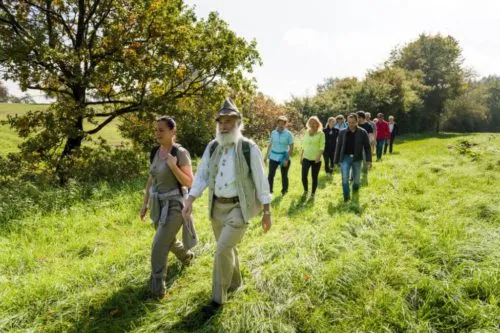
Also featured in the aforementioned *The Future of Wellness 2021* is the German wellness facility Buchinger Wilhelmi. With over 100 years of history, this facility specializes in fasting therapy and integrative medicine, offering specialized programs designed to boost immune function. Under the supervision of a physician, personalized programs are created for each guest, who can receive treatments such as acupuncture and Kneipp therapy (a natural therapy originating in Germany).
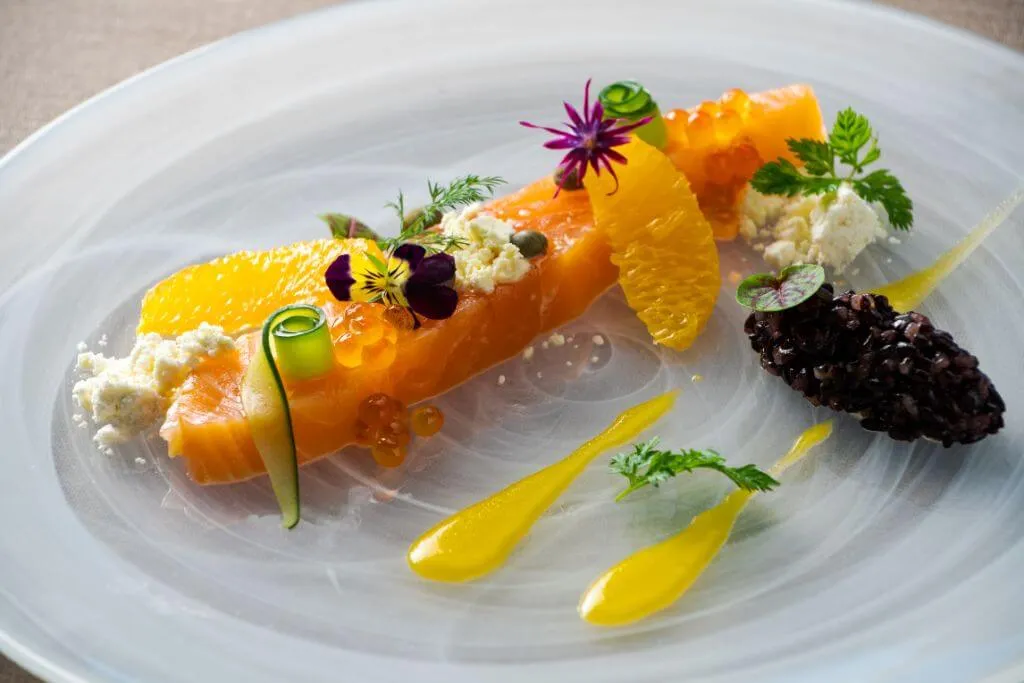
In Japan, Halekulani Okinawa has begun offering a “Menu to Boost Immunity.” The menu features not only ingredients that promote gut health, such as fermented foods, but also vibrantly presented dishes made with green and yellow vegetables—including tankan, moroheiya, nabeera (loofah), and goya—which are rich in phytochemicals that help the body withstand Okinawa’s strong ultraviolet rays. Additionally, drawing on Japan’s long-standing tradition of hot spring therapy known as “yuji,” Hoshino Resorts’ KAI brand offers “Uruhashi Modern Yuji.” In addition to providing recommendations on how to spend your stay—including exercise, nutrition, and rest—they also offer a service called “The Basics of Relaxation and Moxibustion,” which includes instruction on moxibustion placement and breathing techniques to improve lung function. As mentioned earlier, regional characteristics, culture, and alternative therapies are incorporated in this way even within Japan.
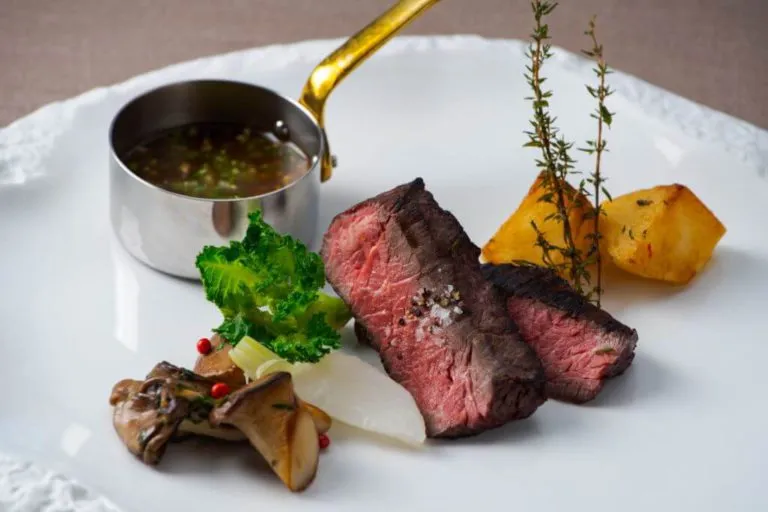
What sets these services apart is that they do not seek pinpoint results like supplements do; instead, they provide comprehensive care that includes alternative therapies and traditional medicine tailored to each individual’s health condition and lifestyle. Another key feature is their focus on “high added value”—prioritizing “practitioner skill” and “an inspiring environment” over low cost or quantity.
4. Japan’s Healthy Culture in Harmony with Nature: A Key Element of “New Travel”
Japan has a long-standing culture of respecting nature and valuing harmony. Practices adopted in the global wellness sector—such as macrobiotics, mindfulness, and WATSU—have their roots in Japan and cherish this worldview.
Furthermore, “Washoku” (Japanese cuisine), registered as a UNESCO Intangible Cultural Heritage, is characterized not only by its ingredients and cooking methods but also by the enjoyment of natural beauty and the changing seasons. Additionally, Japan is a hot spring powerhouse, ranking first in the world in both the number of hot spring resorts and the total number of natural springs. By utilizing these hot springs—a gift from the earth—a culture of hot spring therapy has flourished.
In Japan, where people are considered part of nature, there is a particularly close relationship between the richness of nature and health. In other words, it is not surprising to think that people cannot achieve good health in tourist destinations overflowing with crowds or in natural environments that have been developed beyond necessity.
Currently, people’s lives are restricted by the COVID-19 pandemic, and travel is not possible as we would like. However, when people are once again free to move about, it is essential to avoid returning to an unsustainable and unhealthy growth trajectory—such as that of overtourism—and instead resume travel in a way that is healthy for both people and the local community, while maintaining a long-term perspective.
In the “new travel” of the future, we must look beyond just accommodations to the entire region—and even to inbound tourism—to create travel experiences that satisfy visitors seeking the true richness of health and nature.
著者