Workation: A New Trend Amid the COVID-19 Pandemic—How to Create Health Benefits Through Daily Routines, Lifestyle Rhythms, and the Natural Environment
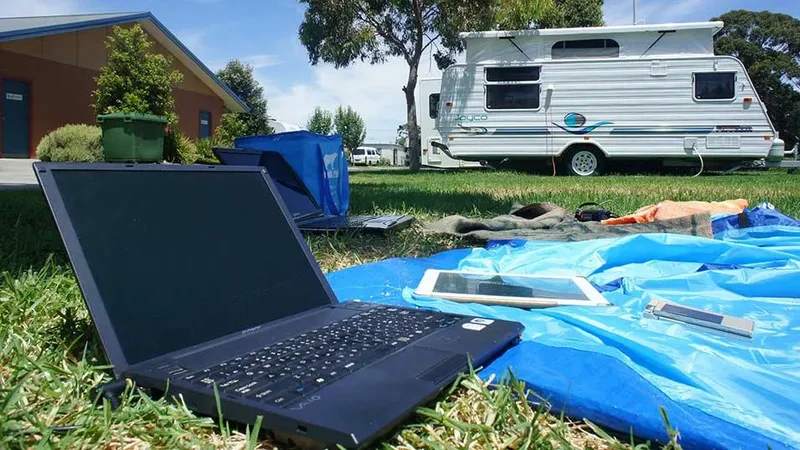
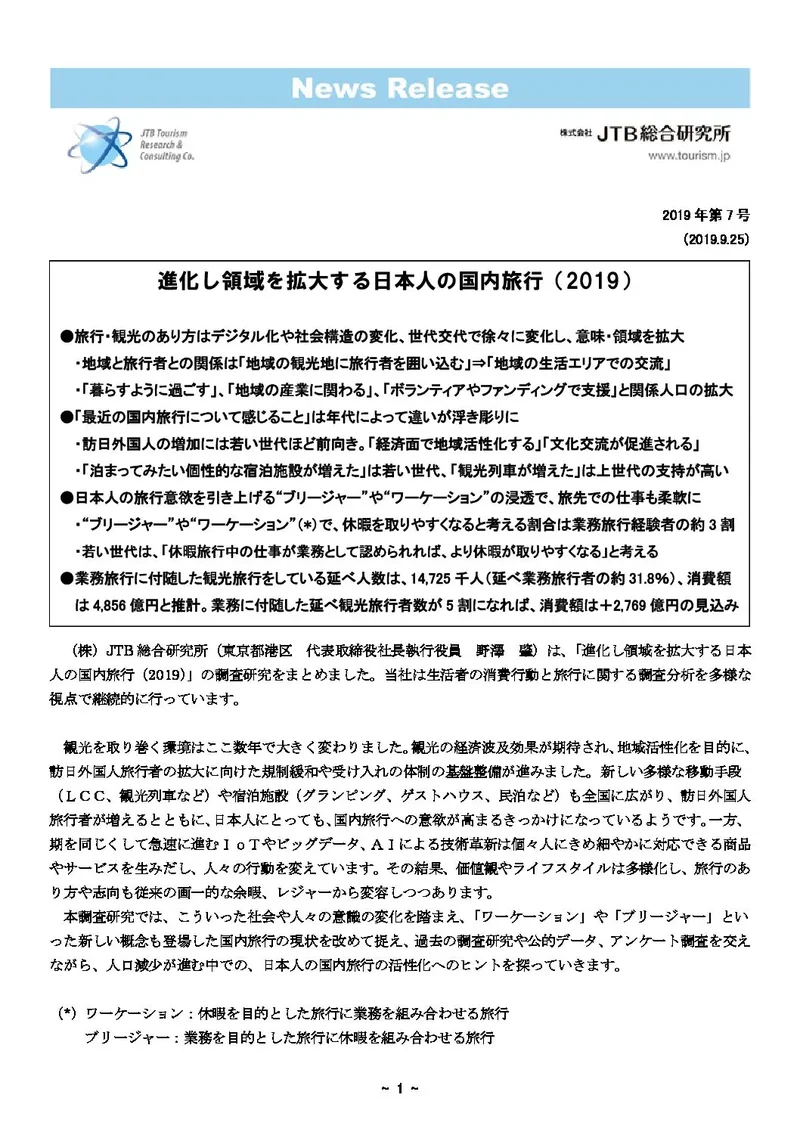
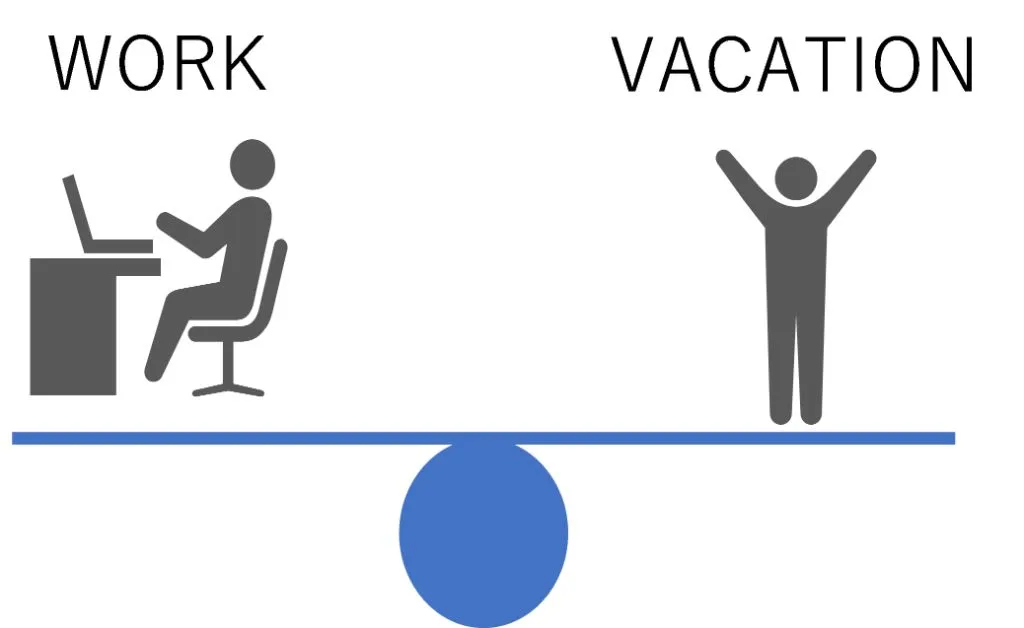
The spread of COVID-19 has given rise to new ways of working. Among these, “workation” (a portmanteau of “work” and “vacation”), which involves combining work with vacation to work while traveling, has garnered significant attention; however, diverse work styles have the potential to create new value in travel. (For inquiries regarding lectures or appearances related to workation, please refer to the note at the end of this article.)
Due to the spread of COVID-19, crowded environments where people gather have become one of the major factors threatening our safety. At the same time, new work styles such as telework and remote work—designed to avoid such crowds—have rapidly gained traction following the period of voluntary stay-at-home requests. In line with these trends, the "concept of place" in people’s daily lives, work, and travel has shifted, and "workation" (a portmanteau of "work" and "vacation")—working while on vacation at a destination rather than at home—has begun to attract attention. However, workation currently faces challenges not only in terms of labor regulations and other institutional frameworks but also from a healthcare perspective, specifically regarding activities for maintaining and promoting health and health management. In this article, we will explain what needs to be considered to promote and establish workation from a healthcare perspective, based on these challenges and practical examples.
1. The Rise of a Value System Prioritizing Daily Life, Work, and Travel While Avoiding the “Three Cs”
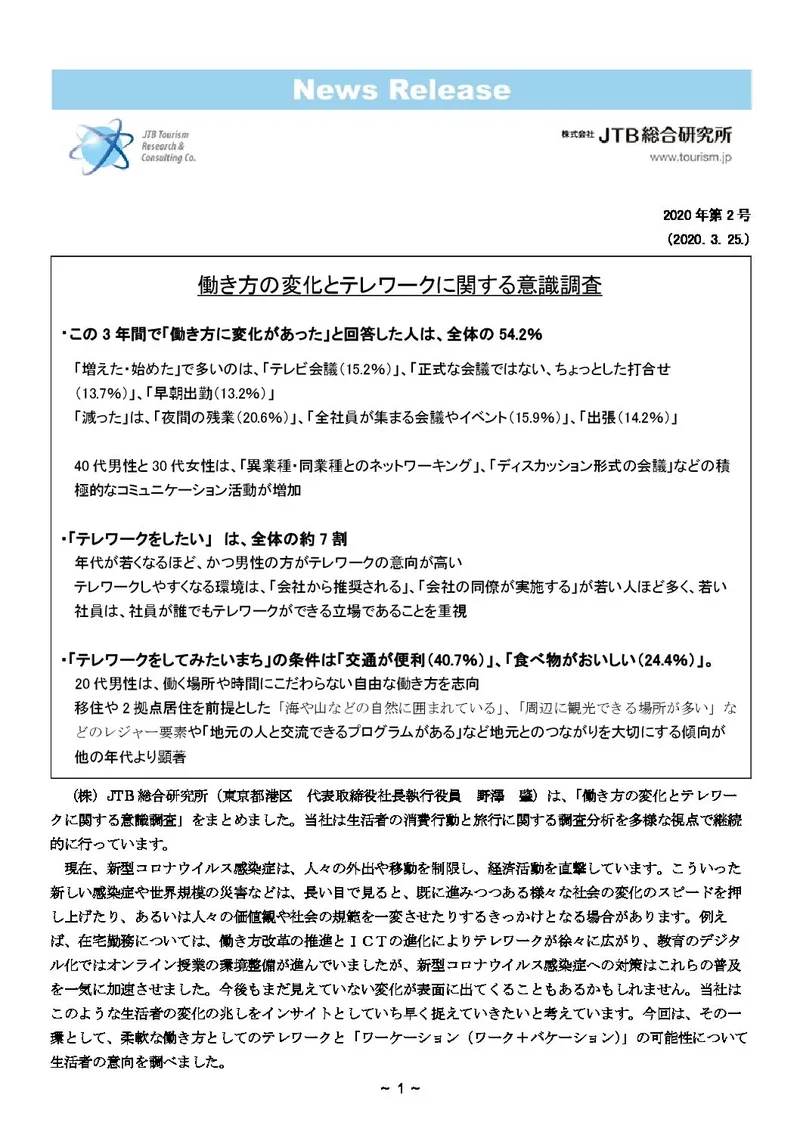
A joint survey titled “Survey on Changes in Daily Life and Mental Well-being Due to the Spread of COVID-19, and Attitudes Toward the Resumption of Travel,” released by JTB and our company at the end of May, revealed that a mindset born out of the state of emergency—namely, the belief that “one does not need to be tied to a specific workplace”—has become increasingly prevalent, particularly among men in their 40s and younger and women aged 29 and under. Furthermore, according to the “May Population Movement Report (including foreign nationals)” released by the Ministry of Internal Affairs and Communications at the end of June, Tokyo recorded a net outflow of residents for the first time since 2013. Although this is a single-month figure, this trend in major metropolitan areas under movement restrictions may be a sign that the very concept of where we live and work is quietly shifting. Meanwhile, our survey on travel purposes and destination selection criteria has revealed a clear trend toward choosing destinations based on avoiding the “Three Cs” (closed spaces, crowded places, and close-contact settings): “being able to travel safely and with peace of mind” (36.4% before COVID-19 → 46.4% now) and “being able to avoid the Three Cs” (6.5% → 20.2%).
Along with this growing demand for safety, “workation”—a “new way of working” that goes beyond telework and remote work to encompass “systems for taking vacations while working in locations different from one’s usual workplace, such as resort areas or rural regions”—is rapidly gaining attention.
2. Various Challenges of Workation from a Healthcare Perspective
However, the current reality is that while workation is defined as the specific combination of work and vacation, there is little discussion regarding the actual nature of the stay. While this flexible work style—which incorporates the sense of a vacation (a break from daily life)—holds great potential in terms of freedom and economic benefits, we must not forget that there are many points requiring caution from a healthcare perspective.
One issue is that workation blurs the line between work and vacation entirely. In addition to labor management issues, there is a risk that “time that should be devoted to daily life and rest will be eroded by work.” While individual values and lifestyles play a role, the optimal solution for working in a region that balances the allocation of time between work and vacation with mental well-being remains unknown, making it difficult to maintain a healthy work-life balance. A deterioration in work-life balance can lead to vague symptoms and illnesses such as autonomic nervous system disorders.
Another factor is the impact of working styles centered on the use of technology—such as telework and remote work—and the effects of working in a confined environment without a commute. According to Wendy A. Spinks (2004) and others, such working styles have been linked to subjective physical and mental health issues, including stiff shoulders, eye strain, lower back pain, and stress. During the state of emergency, when people were confined to their homes, it became clear that physical activity levels had decreased, with “daily step counts dropping by approximately 30% (University of Tsukuba & Tanita, 2020)” and “nearly 30% of people taking fewer than 3,000 steps per day (Link & Communication, 2020).”In any case, since such health-related challenges can be anticipated even in workation settings, it is necessary to consider not only the physical infrastructure but also specific healthcare solutions when establishing local reception systems.
3. Incorporating exercise and relaxation that utilize the abundant time and natural environment available during workation
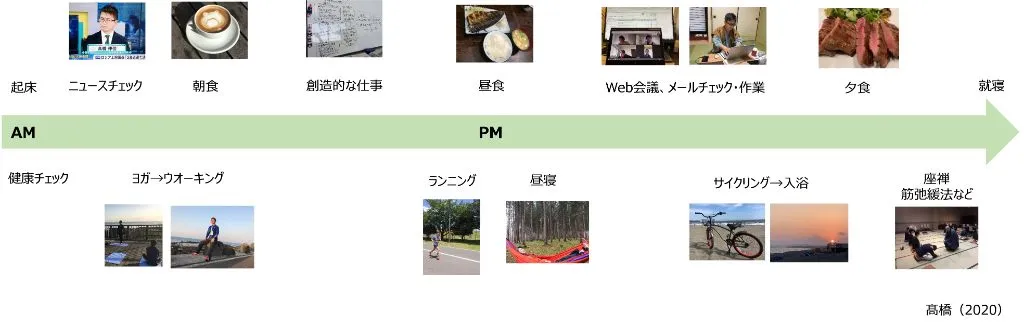
・Maintain the same daily rhythm as when commuting
While workation destinations often provide an environment where it is easy to become lazy and unproductive, it is essential to maintain a daily rhythm that closely mirrors the schedule of a typical workday. From a health perspective, it is advisable to start the day by waking up at sunrise and going to bed at sunset. In this regard, while it is difficult to manage work independently away from the usual workplace, it is essential to focus on how to make effective use of daytime hours. Additionally, when managing your own lifestyle at a workation destination, it is important to be aware of your daily physical condition.
・Work with a good balance while taking advantage of the natural environment at your workation destination
To manage your daily physical condition, it is a good idea to start the day with health checks, such as measuring your blood pressure. Depending on how you feel that day, you might consider a routine that includes stretching exercises like yoga or flexibility exercises, followed by aerobic activities such as walking. In a social experiment I participated in—"Research on the Health Effects of Transportation" (National Institute for Land and Infrastructure Management)—results showed that physical activity before work, such as walking, reduced stress at the start of the workday and improved cognitive function. Given this, starting the day this way makes sense not only for improving labor productivity and preventing lifestyle-related diseases but also from a broader perspective.
After enjoying a delicious breakfast—made all the more satisfying by the hunger you feel from moving your body in the morning—it’s finally time to start work. In the morning, focus on creative tasks while maintaining high concentration. Then, to refresh your mind, take a light walk to enjoy the surrounding environment; this will create a pleasant sense of hunger, making lunch taste even better.
After lunch, we enter a time when drowsiness typically sets in. Taking a short nap at this point is one effective way to boost afternoon work efficiency. It might feel even more pleasant to doze off while swaying in a hammock amidst the rich natural surroundings of your workation destination. In the afternoon, you switch back to active mode, immersing yourself in communication tasks like remote meetings and other work until the end of the day.
Note that while the practical example mainly included exercise routines between work tasks, from a physical activity perspective, incorporating sightseeing, farm work, or cooking into your breaks might also be effective.
・Switch to relaxation mode immediately after work
After work, I take a light break, such as going for a bike ride while watching the sunset. After that, I take a leisurely bath to shift into relaxation mode. Then, I enjoy dinner in the stillness, listening to the sound of the wind and the chirping of insects.
After that, I spend a leisurely time practicing zazen, muscle relaxation techniques, or reading, shifting from a sympathetic nervous system-dominant state to a parasympathetic nervous system-dominant state before going to sleep. You can expect a comfortable sleep in a wonderful natural environment, free from the hustle and bustle of the city and with just the right amount of fatigue.
Figure 1: Examples of Exercise and Relaxation Practices in Resort Work Utilizing the Natural Environment
4. Incorporating a naturopathic Approach for a Healthy Workation
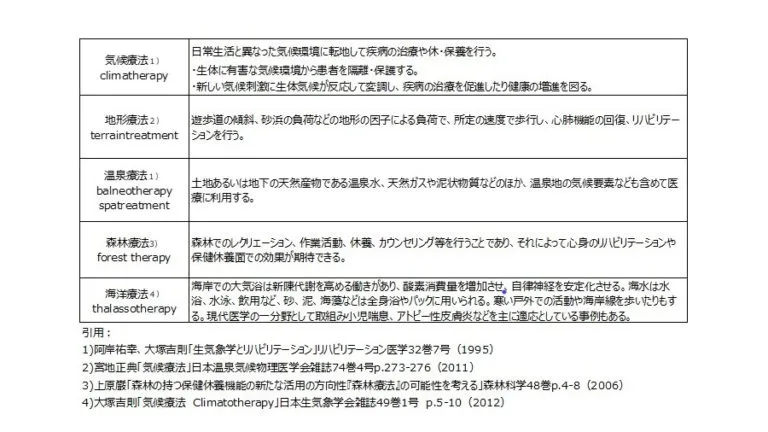
Japan is blessed with abundant natural resources. There is a concept known as “natural therapy” that utilizes these natural resources from medical and health science perspectives (see also Figure 2). This is a preventive medicine approach that originated in Europe, but in Japan, efforts are currently limited to regions that have developed specialized systems such as health tourism. However, natural resources are a “treasure” that can be put into practice anywhere they are available. As a fundamental concept for workation utilizing the natural environment, understanding this “natural therapy” and applying it in various ways is believed to bring out the unique appeal of relocating to a new setting. By combining natural therapy with program development, such as the practical examples mentioned earlier, it is possible to create value unique to each region.
At the core of this natural therapy lies “climatotherapy.” This involves “using a climate environment different from one’s daily life to promote rest, recuperation, and health.” It is no exaggeration to say that the act of leaving one’s place of residence and traveling somewhere else is valuable in itself. While there is not an abundance of evidence, research results from the “Travel and Health Research Project” (Japan Association of Travel Agents), in which the author was involved, mentioned this, and there are also scattered research findings suggesting that travel boosts immunity. Furthermore, by utilizing natural resources unique to each region—such as distinctive topography, hot springs, forests, and the ocean—it is possible to experience therapies that generate additional health benefits. From the perspective of the providers in these regions, this helps create a sense of regional identity, while participants can choose health experiences tailored to their individual circumstances.
Figure 2: Main Types of Natural Therapies
5. What Workation Should Be: Incorporating Healthcare Concepts to Reach a Wider Audience
Currently, workation is primarily viewed as a concept for avoiding the “three Cs” (closed spaces, crowded places, and close-contact settings) and for being “unbound by work hours” or “location.” However, for it to be widely adopted and become established, it is considered necessary for both the host regions and the participating companies to incorporate and enrich the “soft elements” of the stay. As introduced in this article, for example, simply by being mindful of the timeline and time allocation in workation and incorporating the concept of interacting with the natural environment, we can create value in the form of healthcare that considers both the mind and body.
There is another important perspective to consider: how to create opportunities for interaction between local residents and visitors participating in workation. While discussions on building a “related population” often focus on local volunteering and side jobs, creating mechanisms that allow for casual interaction and shared time on an equal footing is likely to generate significant value for both parties.
While not every Japanese person can adopt such diverse work styles, as society evolves post-COVID, unlocking these new possibilities for travel and launching new initiatives may be one way to fundamentally reverse the trend of population concentration in urban areas.
[Inquiries Regarding Lectures and Appearances] For inquiries regarding
lectures or appearances related to workation, please contact the following:
JTB Tourism Research & Consulting, Planning and Research Department
, 03-6722-0759