The Day “DEEP TOKYO Yamaya” Becomes a Major Attraction for Visitors to Japan

Yamaya, in Taito Ward, has long been described as a “doya street.” Even in this neighborhood, which still retains traces of Japan’s era of rapid economic growth, travelers are increasingly flocking here in search of authentic Japanese lifestyle and culture.What is needed for Yamaya—which can still be considered a hidden gem—to continue developing as a “community of exchange” without compromising the comfort of both residents and visitors? We explore the possibilities and challenges.
1. The Potential Appeal of the Yamaya District as a Tourist Destination
Yamaya, Taito Ward. It goes without saying that this district, long referred to as “Doya Street,” is a symbol of a certain aspect of Japan during its period of rapid economic growth. The social system that allowed workers—who had flocked to Tokyo to build numerous structures—to establish their lives in this district after facing unemployment due to an economic downturn or as they grew older has shaped the neighborhood as it stands today.In fact, the term “doya” itself is a back-to-front reading of “yado,” meaning “lodging,” and refers to an area densely packed with cheap lodging—a fact that most young people are likely unaware of.While we “grown-ups” may be aware of how this neighborhood has developed since the modern era, the same cannot be said for young people. It is not uncommon for them to keep their distance from it, viewing it as a somewhat mysterious neighborhood—a place with a landscape that feels vaguely different from where they normally live.
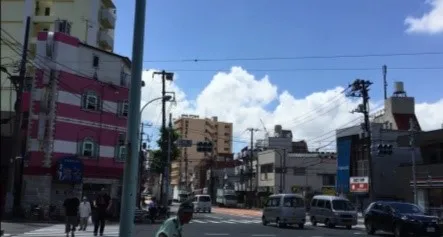
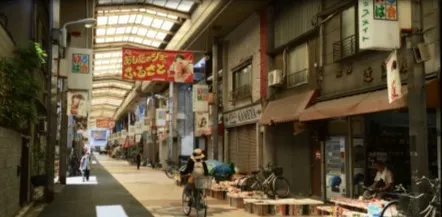
The Yamaya area, which tends to draw attention for its appearance following the decline of Japan’s period of rapid economic growth, actually developed in line with urban planning from the early Edo period.The area around Asakusa, centered on Senso-ji Temple and Yoshiwara, was organized into distinct blocks, each serving a specific function—such as temple districts, entertainment districts, artisan districts, and performing arts districts—which interconnected to support urban life.Within this framework, this district corresponded to the “artisans’ quarter,” and because its residents—artisans for whom their bodies were their capital—were particularly discerning about food, it was also an area where the food and beverage industry flourished.
In recent years, attention has focused on this urban structure, leading to the emergence of walking tours of Yoshiwara and model itineraries that take visitors from Yanesen to Yoshiwara with their goshuin stamp books in hand. Indeed, the sight of young women walking through Yoshiwara, relying on maps and taking photos with their smartphones, was a scene rarely seen five years ago.
With the 2020 Tokyo Olympic and Paralympic Games approaching and Tokyo once again experiencing a development boom, market interest is growing not only in the city’s “public face” but also in its functions and structure,and I can’t help but feel that directing that interest toward the inner reaches of Asakusa, such as Yoshiwara, is in a sense a very natural development—an extremely rational action that goes beyond a mere passing fad.
2. Foreign Visitors’ Stays in Tokyo
The number of foreign visitors to Japan continues to rise steadily. Although the trend of visitors spreading out from major cities to regional areas is likely to strengthen in the future, it is unlikely that the number of foreign visitors to Tokyo—Japan’s gateway—will decrease.According to a 2017 survey conducted by Taito Ward targeting travelers who visited the Asakusa area or stayed at accommodations in northern Taito Ward, Japanese travelers staying in the area were predominantly residents of the Kanto region, accounting for just under 40 percent of the total, with a male-to-female ratio of approximately 6:3. Business travel was also common, indicating strong demand among male travelers.In terms of age groups, young adults in their 20s and 30s accounted for about half of the total, while middle-aged adults in their 40s and 50s accounted for just over 40 percent.As for foreign visitors (including those who did not stay in the area), visitors from Europe accounted for 41% of respondents. Given that more than three-quarters of visitors to Japan come from Asia, the high proportion of European visitors can be considered one of the distinctive features of this area.
Regarding the length of stay in Tokyo, while more than half of Japanese visitors stay for “1–2 nights,” the highest proportion of foreign visitors—37%—stay for “5–6 nights.” Furthermore, 21% stay for 7 nights or more, indicating demand for long-term stays of one week or longer.This reflects a demand among travelers to use this district as a base for exploring Tokyo, or to take a “side trip” to regions such as Kansai or Tohoku during their stay in Tokyo before returning to the same accommodation. It shows that the area accommodates travelers with a different style of travel to Japan compared to city hotels and business hotels in central Tokyo, which tend to cater to a large number of short-term guests.
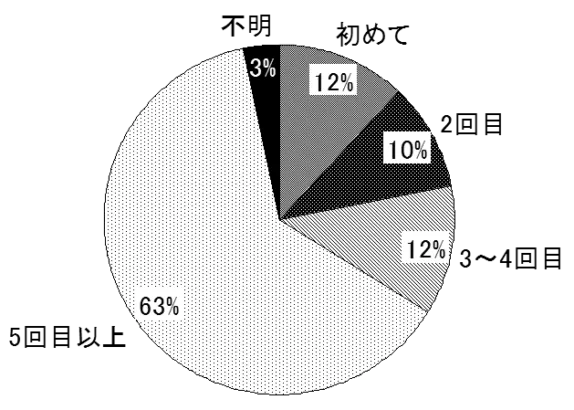
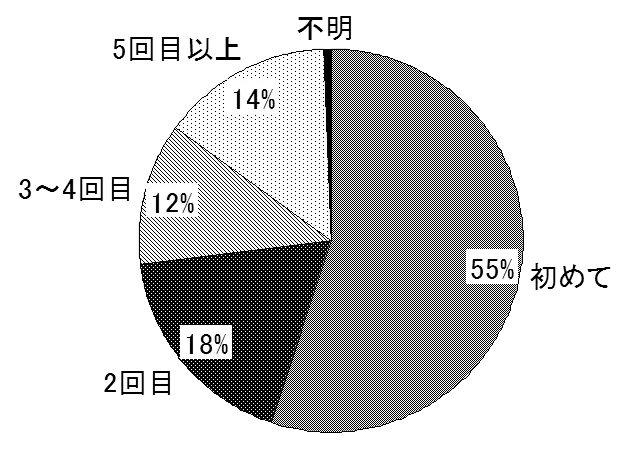
Source: Taito Ward, “Survey on Accommodations in Tokyo” (2017)
Regarding the reasons visitors chose their accommodation areas, “enjoying food,” “enjoying history and culture,” and “experiencing everyday life in Tokyo” ranked highest, while price and location were given lower priority.Among travelers from Europe, “enjoying history and culture” was the most common reason, exceeding the average for other regions by more than 20 points. Meanwhile, visitors from North America, like those from Europe, frequently cited “the opportunity to experience everyday life in Tokyo” as a key reason. These results confirm that a significant proportion of guests in this district are from Europe and North America.This suggests that the everyday scenery of the Yamaya district—which local residents take for granted—holds value for foreign visitors and can serve as a form of entertainment.

3. Intensifying Price Competition Among Accommodation Facilities
The number of foreign visitors to Tokyo continues to rise. However, according to the Japan Tourism Agency’s “Statistical Survey on Accommodation Travel,” the occupancy rate for simple lodging facilities in Tokyo dropped from 63.4% in Heisei 27 to 55.2% the following year, Heisei 28.Even among budget lodgings in the Yamaya district, there are reports that the decline in tourism demand from international visitors became particularly noticeable starting during the cherry blossom season of Heisei 28. One factor contributing to the decline in demand for budget lodgings is likely the growth of price comparison websites for accommodations.Price comparison sites list the lowest rates for accommodations in a specified date and region, but they do not explicitly indicate the type of accommodation. On these sites, simple lodging facilities with private rooms are treated on the same level as dormitories, where multiple people may be accommodated in a single room.Furthermore, in recent years, some well-known hotel chains have begun offering a wide range of accommodations within a single property—from rooms priced at city-hotel levels to dormitory-style rooms. When a “well-known hotel chain” appears with one of the lowest prices listed, its competitive edge increases due to the sense of security associated with the brand.Since price comparison sites cannot convey the “homey service” or the “security and peace of mind of private rooms” offered by budget lodging, it has become increasingly difficult for these establishments to differentiate themselves among customers who are simply looking for the cheapest option in the area.
Another form of competition comes from private lodging. It is said that private lodging now accounts for about 10% of the total number of overnight stays by foreign visitors to Japan, and to capture this demand, many private lodging providers are beginning to expand into central Asakusa and surrounding areas.According to data on private lodging stays from June 15 to July 31, 2018—collected and released by the Japan Tourism Agency following the enforcement of the Residential Accommodation Business Act (commonly known as the “New Private Lodging Law”)—more than 80 percent of guests were foreign visitors, and Tokyo had the highest average length of stay per person among all 47 prefectures at 3.6 nights.While it is difficult to increase the number of hotel rooms in central Asakusa, where land is already scarce, private lodging offers a way to expand capacity. It effectively meets the needs of visitors who value the opportunity to stay for an extended period right in the heart of an area steeped in history.
4. The Path for “DEEP TOKYO Yamaya” to Transition from a “Hidden Gem” to a “Mainstream Destination” for Inbound Tourists
(1) Challenges for the Yamaya District as a Tourist Destination
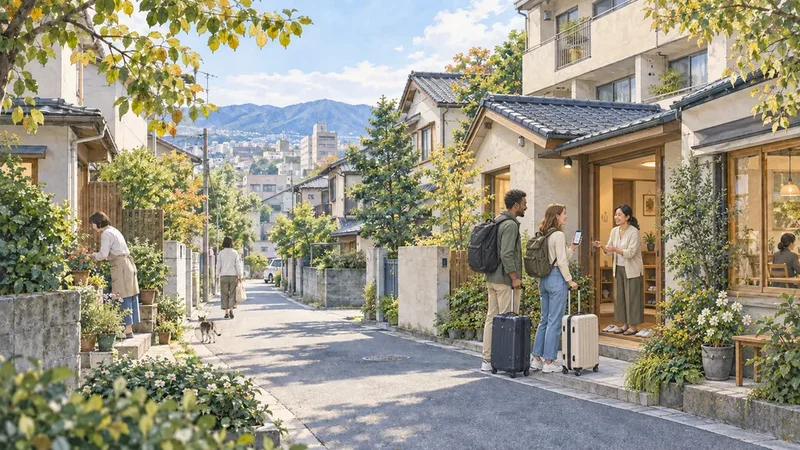
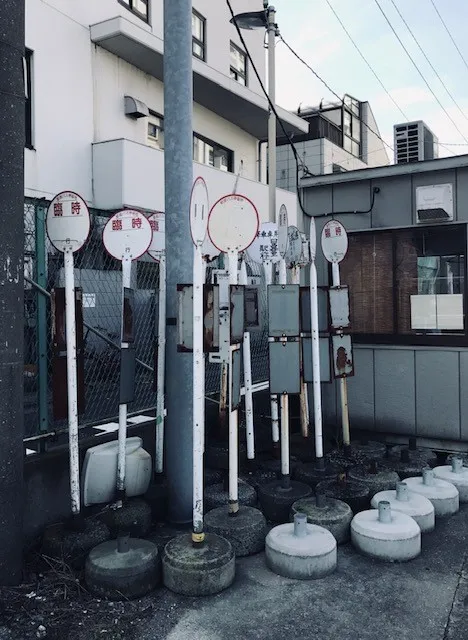
This district has ample potential to develop as a destination for visitors. It offers advantages over other areas in Tokyo, such as its proximity to famous tourist spots like Asakusa, Ueno, and the Tokyo Skytree; its rich history and stories dating back to the Edo period; and its compact size, which makes it ideal for exploring on foot.On the other hand, despite being a place where many visitors—both Japanese and foreign—stay, the district remains a “neighborhood where residents take center stage” rather than a “neighborhood to be seen” or a “neighborhood for interaction.” The fact that this is clearly reflected in the district’s urban planning is hindering its transformation into a full-fledged tourist area.The lack of signage from Minami-Senju Station is one example of this, but the more pressing issue is the absence of a signature landmark or defining landscape that serves as the area’s focal point and symbol.Furthermore, because the area has failed to fully showcase the value of its tourism resources, “affordability” has become the primary reason guests choose to stay here.
Currently, visitors stay in this area for reasons such as “it’s affordable and fully adequate for the basic function of a place to stay,” “it’s safer and more reliable than private lodging,” and “among the cheap places and facilities scattered throughout Tokyo, it has good access to train lines.” In other words, there is no reason why their accommodation must be in the Yamaya area of northern Taito Ward.In fact, considering the needs of foreign tourists who stay in Yamaya and venture out to sightsee in Hibiya or Shinjuku, there is no inherent necessity to stay here simply because Asakusa is nearby.
Since the transportation network connecting Tokyo’s major tourist destinations is extremely well-developed, if other clusters of affordable accommodations emerge, demand will shift there. In addition to the traditional values of “affordability and safety,” Yamaya and its surroundings must become “an interesting neighborhood with a unique character and culture entirely distinct from other areas of Tokyo”; otherwise, its competitiveness as a lodging hub will decline relative to other options.To become an interesting neighborhood as a lodging hub, it is necessary to make visitors feel not only that “staying there is convenient,” but also that “spending time there is enjoyable” and that “the scenery there piques their interest—they want to blend into that scenery.”
(2) Steps to Enhance Value as a Tourist Destination
1) Creating a brand as “a neighborhood where you can experience the raw essence of Tokyo, still imbued with the atmosphere of Edo’s artisan district”
First and foremost, it is essential to consider rebranding the neighborhood as an external message, devise a catchphrase, and communicate and promote this to the market. Furthermore, based on the development direction for the Yamaya district that will likely emerge during this planning process, it is crucial to develop a location that will serve as the “face” of the area.It is desirable to undertake initiatives from two perspectives: designing spaces that combine the area’s historical narrative with the current layout of the neighborhood to create new visitor hubs that demonstrate a warm welcome to visitors, and revitalizing efforts that make the most of the traditional streetscapes and shopping districts.Furthermore, by involving residents and outsiders from the early stages of the neighborhood’s redevelopment and communicating the very process of the town’s transformation to both local and external audiences, it will be possible to promote a vibrant, authentic brand—one that goes beyond simply replacing signs.
During the neighborhood redevelopment process, establishing common design and material standards—such as for fences, signs, and noren curtains—that can be implemented quickly will help enhance the neighborhood’s sense of cleanliness by adding color to buildings and street-side landscapes and conveying to both visitors and residents that this is a “neighborhood designed to be seen.”
Neighborhoods that continue to thrive are those that skillfully maintain a state of “work in progress.”As Walt Disney said, “Disneyland will never be finished”; it is precisely because of this flexibility that people find freshness and charm there and never grow tired of it. Even in the physical development of a neighborhood, the goal is not simply to “complete” it, but rather to design an urban approach and town-building methods that allow the town to present a constantly changing landscape.It is desirable to make the most of interstitial spaces—such as gathering spots and vacant lots—by utilizing them as locations for container shops or “challenge shops” that support young entrepreneurs from both within and outside the district. This approach allows the cityscape to constantly “breathe” and fosters changes in both the people involved and the scenery itself.
Taito Ward continuously hosts the “Shitamachi Juku (currently: Taito Ward Community Development College)” program, working to foster local residents’ sense of participation in community development and to discover the value of the area.It is believed that, with the active participation of local residents, concrete actions and designs can be implemented to realize the vision for the Yamaya district outlined by the local government.
2) Establishing the district’s position as a destination suitable for (specific-purpose) lodging
Among the challenges in promotion are the lack of a visitor attraction strategy that treats local lodging facilities as a “cluster,” as well as the absence of curated content. Until now, the accommodation listing pages on local tourism association websites have primarily categorized lodging facilities within the municipality by district, address, business type, and other criteria, displaying them based on impersonal rules.Before the current proliferation of price comparison sites and online travel agencies, such listings were beneficial to consumers. However, in districts where many lodging facilities are concentrated, traditional listing methods fail to convey each facility’s unique character and merely fuel price competition. Moving forward, lodging facilities within a district should be categorized based on “unique characteristics”“key selling points,” and “recommended for these types of guests”—based on lifestyle and stay patterns—and then bundling that information across the entire district before disseminating it through a portal site. This approach will help differentiate these properties from accommodations and private homestays that primarily emphasize price competitiveness, potentially creating an innovative initiative not found in other districts of Tokyo.
3) In addition to serving as a transportation hub for travel within Tokyo, strengthen transportation links with gateway cities
Although the dispersion of international visitors to regional areas has progressed in recent years, the number of international visitors to the Tokyo metropolitan area is expected to increase gradually.Typically, international visitors arriving in Tokyo via Narita or Haneda Airport as their gateway travel into the city by train or limousine bus. Consequently, existing hub stations such as Tokyo, Shinjuku, and Shinagawa—which are directly connected to the Greater Tokyo Area’s airports—may approach saturation as the number of international visitors increases in the future.Given the well-developed transportation network within Tokyo, along with the growing trend toward unique accommodations, price competition, and demand for private lodging, the traditional advantages of being “in close proximity to famous tourist spots such as Asakusa and the Skytree” and having a “location that facilitates travel within Tokyo” are no longer sufficient for this district to be chosen as a place to stay.If the district can further establish itself as “Tokyo’s eastern gateway” by leveraging road and water transport links from Narita and Haneda, its competitiveness is expected to increase even further. Furthermore, decentralizing Tokyo’s transportation hub functions is expected to help alleviate traffic congestion within the city.
5. Conclusion
Whenever I travel abroad for personal reasons, I always check Street View when booking accommodations. I do this to confirm how well I can blend into the city’s everyday scenery and whether I can do so safely. The websites of accommodation providers and online travel agencies do not reveal what the city actually looks like, nor do they convey the scenery and environment surrounding the lodging.While location and budget are certainly important criteria for travelers when choosing accommodations, there are countless options in urban areas that meet their needs.If Yamaya can become a town that makes people feel it would be a waste to just sleep there—by showcasing the town’s character, which can’t be measured by efficiency factors like location or price, but rather by that “I don’t know why, but it catches my eye” or “there’s something special about it” feeling—then it’s highly likely that Yamaya can secure a “somehow special” positioning within the competition for a specific price range of accommodations.Sipping Café Bach’s Sidamo—which is not just “somehow special” but “exceptionally special”—I let my thoughts wander to what Yamaya will look like in ten years as an “international DEEP TOKYO.”
著者