A Model for Sustainable Tourism That Leverages Local Resources <Part 1> (Case Study: Sanjo City, Niigata Prefecture) ~Research to Ensure Sanjo, a City of Craftsmanship, Continues to Thrive~
Research to Ensure the Continued Prosperity of Sanjo, the City of Manufacturing
PDFダウンロード
公開日
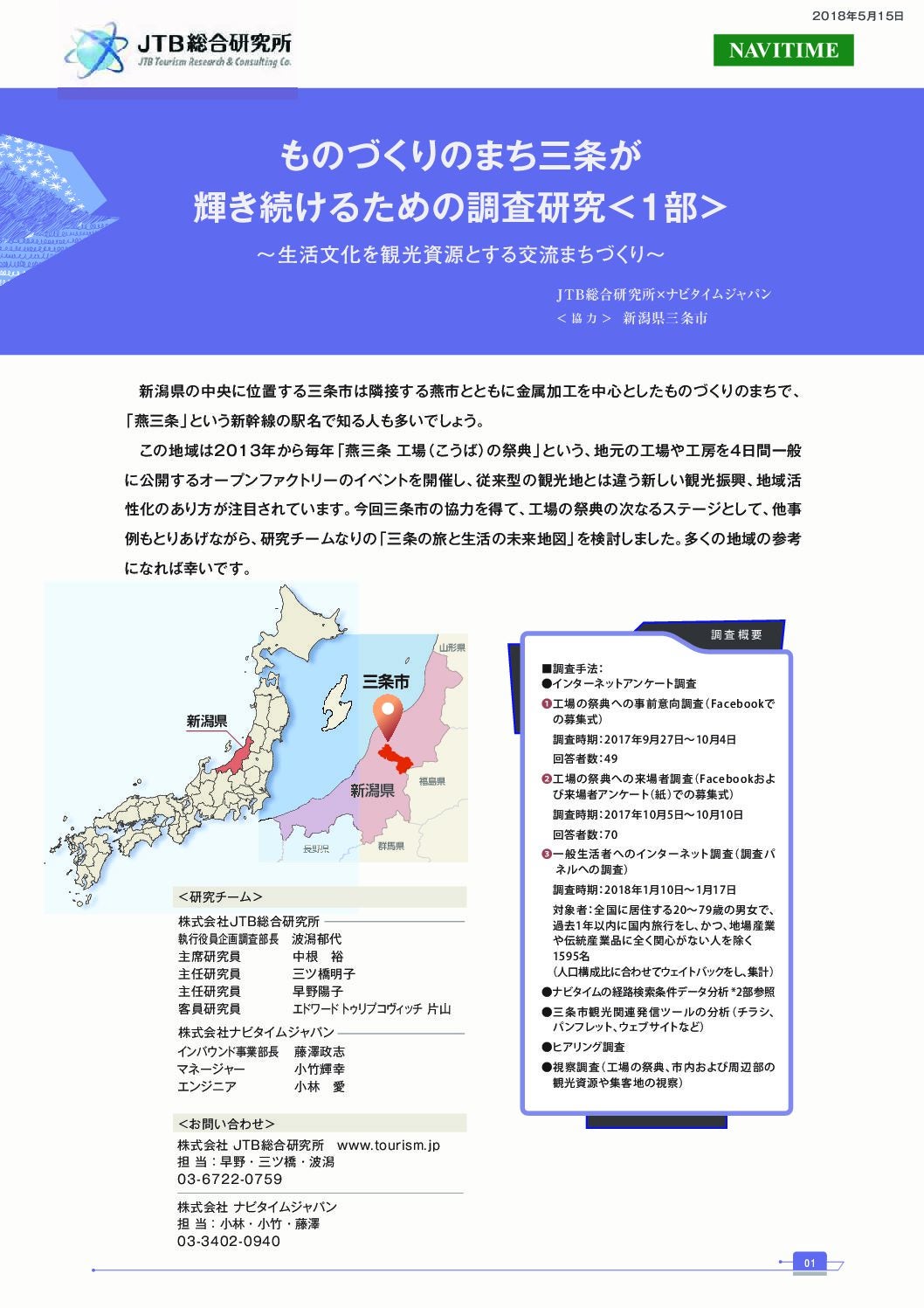
JTB Tourism Research & Consulting Co., Ltd. (Minato-ku, Tokyo; President and CEO: Hajime Nozawa) and Navitime Japan Co., Ltd. (Minato-ku, Tokyo; President and CEO: Keisuke Onishi) conducted a joint research project titled “Research on Ensuring the Continued Prosperity of Sanjo, a City of Manufacturing,” with the cooperation of Sanjo City, Niigata Prefecture.
Key Findings
- Based on Sanjo City in Niigata Prefecture, known for the "Tsubame-Sanjo Factory Festival," this project explores sustainable tourism models that leverage the region's unique resources.By focusing on the essence of the town and tourism, we aim to maximize the impact of the four-day event and apply it to our daily efforts over the remaining 361 days
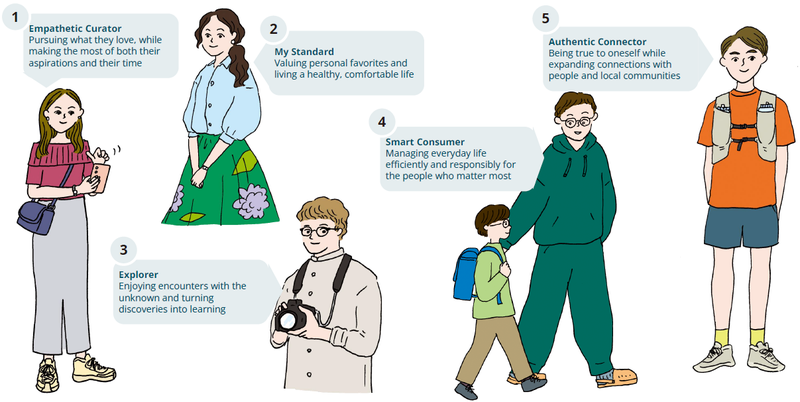
Target and deepen connections with a fan base highly interested in meticulous craftsmanship (skill), authentic products (genuine items), and the lifestyle (tradition and culture) that supports them... This demographic is predominantly men in their 20s and 30s, as well as those aged 60 and older - Conveying the appeal of this region through its "local character" and "lifestyle" that have nurtured its manufacturing traditionsUsing the "Albergo Diffuso" model—which treats the town as a single "inn"—we aim to foster greater interaction between the local community and visitors, while conveying the region’s unique character and way of life
As a branding platform, the website clearly communicates the appeal of this town of artisans to the world. What can we learn from the website of the Aubrac-Laguiole Tourism Board in France?
In Part 1, while focusing on Sanjo City, we will also examine case studies from other regions to explore ways for many areas—which are not typically considered “tourist destinations” but possess unique local “lifestyle and cultural” resources—to continue to thrive. Click here to view Part 2.