How Can We Sustain the Ecosystem of Intangible Cultural Resources? Exploring the Balance Between Preservation, Succession, and Tourism

The preservation and transmission of intangible cultural resources, such as performing arts including Bunraku and regionally rooted traditions such as Kagura and Shishi Odori, have become major challenges. Given the current circumstances surrounding intangible culture, how should the relationship between intangible culture and people evolve so that these cultural resources are not only preserved but also connected to consumption and economic activity? This article proposes broadening the focus of preservation from individual “performances” to the entire “ecosystem.”
1. Intangible Cultural Resources Cannot Survive on “Art” Alone
This summer, I attended a performance that brought together shōmyō (Buddhist chanting), Western instruments, and the shamisen. The arrangements were so impressive that I would have bought a CD if one had been available. I sensed a strong attempt to reach audiences in classical music, traditional Japanese music, and Buddhist communities. At the same time, I felt it was a great shame that the performance was held for only one day, leaving little opportunity to build on the positive word of mouth it could have generated.
According to director Junya Yamada, who heads David J. PRODUCTION, performances that require a theater or other dedicated venue, not only traditional performing arts, generally need to be staged regularly, revived, or presented over several consecutive days in order to become financially viable. Representatives from music agencies similarly note that “it is difficult to turn a profit unless a production can run for at least three days. Demand sometimes grows through word of mouth after the first performance, so bringing a production back after an interval can also be effective.” At the same time, consecutive performances entail significant venue and personnel costs, making profitability a serious challenge for any production that requires a stage, not just traditional performing arts.
As a Tokyo resident, I attended three performances at concert halls during the previous fiscal year. In each case, the performances ran for several days to about a week, which made it much easier to fit them into my schedule. According to the Agency for Cultural Affairs’ annual “Public Opinion Survey on Culture” (FY2025), only 3.1% of respondents had attended traditional performing arts in 2025, including Kabuki, Noh and Kyogen, Bunraku, koto, shamisen, shakuhachi, gagaku, and shōmyō, and the figure has remained at a similar level for the past three years (Figure 1). With the exception of Kabuki, traditional performing arts are often difficult to stage over multiple days, which tends to limit opportunities for audiences to attend them.
Figure 1: Genres of Arts and Culture Experienced in Person
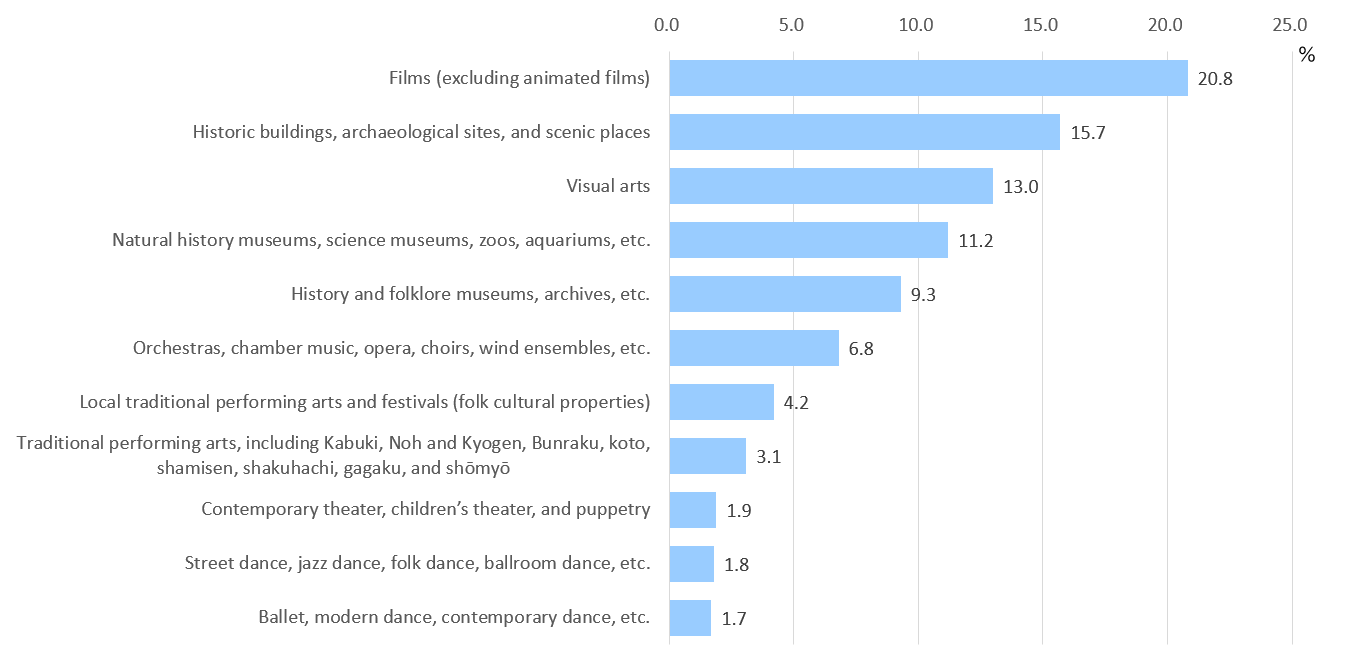
The recent “shortage of theaters” has also made it more difficult to expand opportunities to attend live performances. According to the Japan Performing Arts Organisations Council, the National Theatre’s Main Hall, an important venue for traditional performing arts, closed in October 2023 in preparation for reconstruction. Comparing FY2024 with FY2019, the number of scheduled performances at alternative venues decreased by approximately 42% for Kabuki and about 5% for Bunraku.
To preserve intangible cultural heritage as a living tradition, outstanding performers and repertoires, venues in which they can be presented, and audiences who want to experience them in person are all essential. Yet these elements alone are not enough to create a sustainable system. Intangible cultural resources such as traditional performing arts can survive only when performers, audiences, and venues are supported by a broader network that includes instructors, specialized costumes and props, professional communities, educational institutions, sponsors, and tourism and distribution businesses. The true nature of intangible cultural resources lies not in individual repertoires or skilled practitioners alone, but in an ecosystem in which techniques, people, objects, places, and memories remain interconnected.
2. The Erosion of the Ecosystem Supporting Intangible Culture and New Challenges
(1) Institutional Challenges
The root of the problem lies not merely in a shortage of young people to carry on these traditions. Many performing arts have historically been sustained not by ticket sales alone, but by cultural communities made up of students and apprentices, families, local communities, schools of practice, and artisans. Today, however, this entire ecosystem is weakening.
Noh and Kyogen were once practiced by members of the samurai class as forms of cultural refinement, while the koto, along with flower arrangement and the tea ceremony, was widely practiced by women from well-to-do families. These arts, which were practiced by people beyond professional performers, were supported by the iemoto system, and even today, performances are sustained in part by students and apprentices who attend performances organized by their schools. Most performers earn their living not primarily from performance fees, but from teaching students in their own classes. In both traditional performing arts and dance, it is said that having around 50 to 60 students is generally enough to cover studio rent and the salaries of assistants.
One advantage of the iemoto system is that the head of the school owns and lends costly items such as costumes, Noh masks, and musical instruments to disciples, thereby lowering the financial barrier to entry. The system also provides disciples with opportunities to gain stage experience through regular performances organized by the school. On the other hand, its strict hierarchical structure can make it difficult for young performers to take on leading roles early in their careers, and some aspects of the system are becoming less compatible with the needs of contemporary society.
Expanding pathways to professional careers beyond the traditional iemoto system could broaden the pool of practitioners and create new opportunities to attract audiences and supporters. In the world of the koto, for example, a group of performers unaffiliated with the traditional Japan Sankyoku Association is creating more opportunities for young practitioners to perform and showcase their talents, while instructors who are not affiliated with a particular school are also emerging.
(2) The Crisis Facing the Tools, Costumes, and Materials Essential to Intangible Cultural Heritage
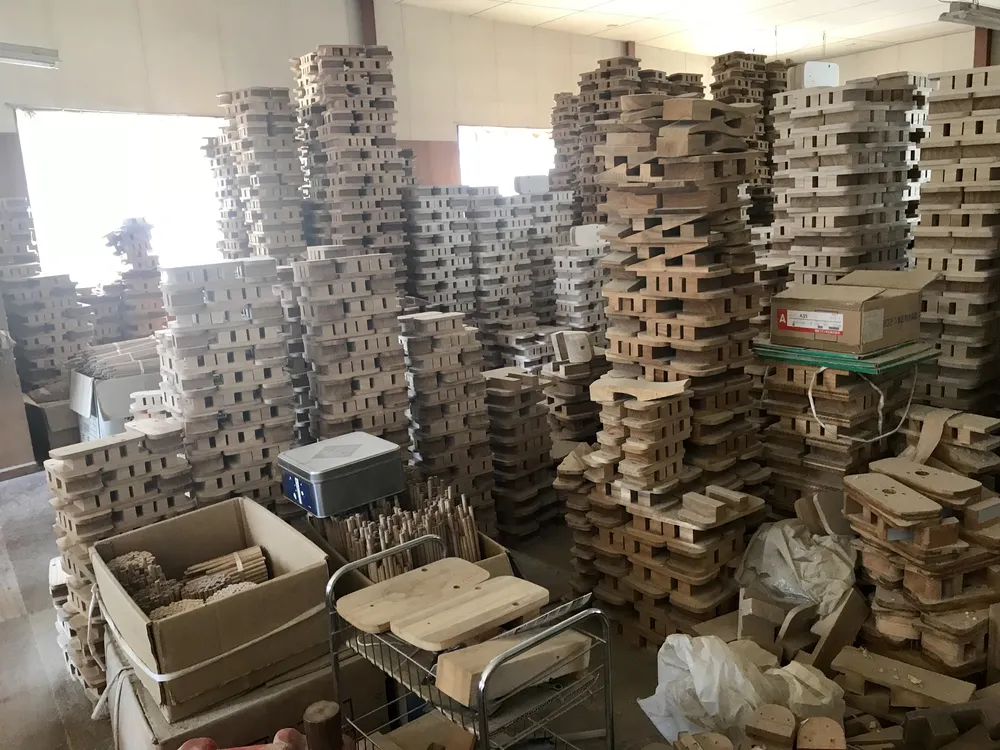
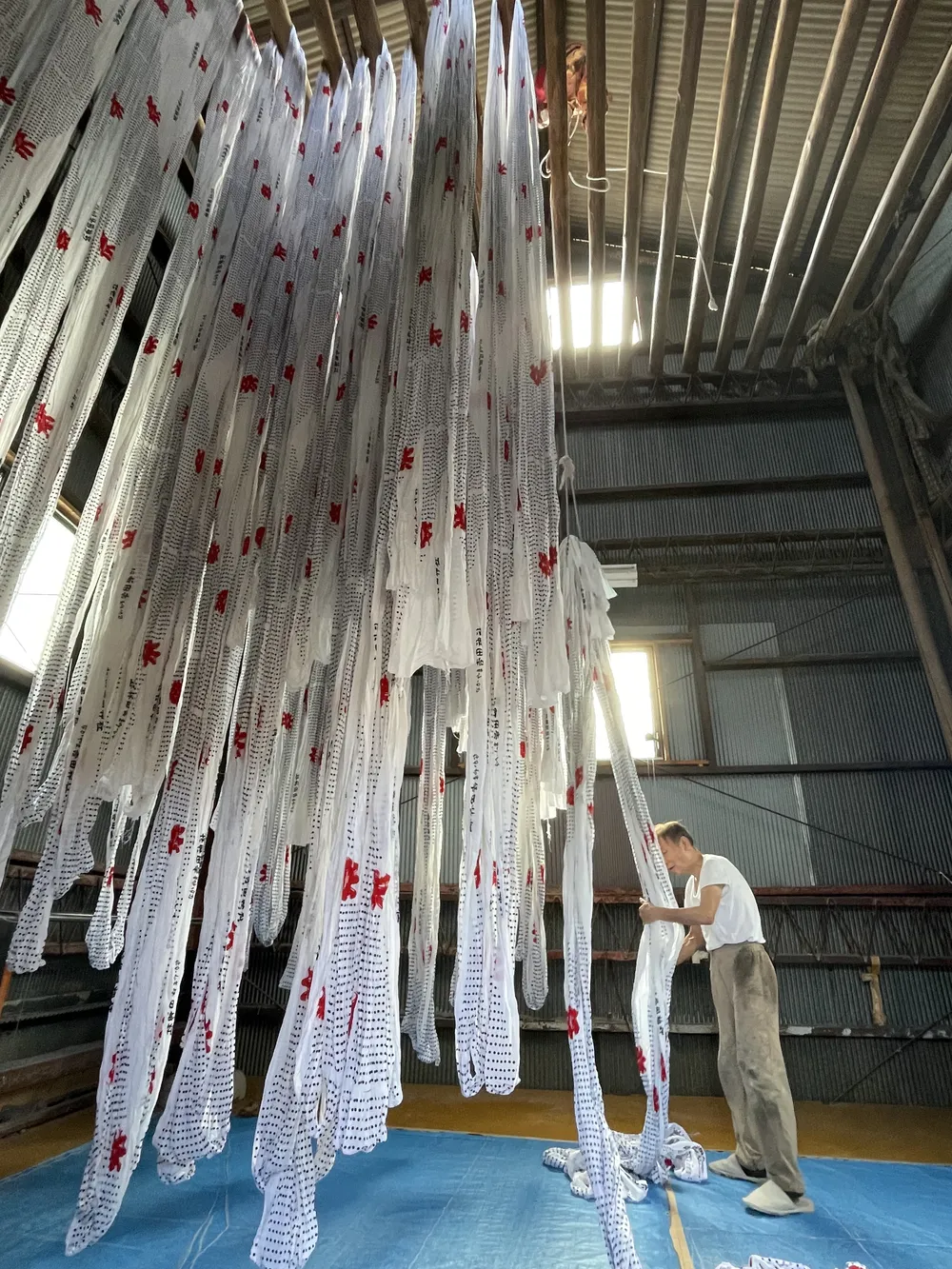
The number of artisans who make the instruments and other specialized items used in traditional performing arts has also declined sharply, putting the production environment that supports these traditions at risk. The challenge extends beyond a shortage of skilled artisans. For example, the reeds used for the hichiriki, a traditional Japanese wind instrument, have historically been sourced from the Udo riverbed in Takatsuki, Osaka, making the preservation of the environment in which these reeds grow essential. In addition, yotsukawa (cat skin), traditionally used for the shamisen, has become difficult to obtain due to animal welfare concerns, while woods used for the neck of the instrument, such as koki, sitan, and karin, have also become scarce. The domestic self-sufficiency rate for paulownia wood, used to make koto and geta, has now fallen to just 2%. Noh costumes are primarily produced in Nishijin, but the number of workshops with the necessary skills is said to have dwindled to fewer than ten, raising concerns about how these production techniques can be passed on to future generations.
At the same time, the decline in the number of performers and students is reducing demand for props, costumes, and other specialized items, which in turn threatens the survival of the industries that produce them.
(3) Creating Opportunities to Experience and Participate in Culture
I have heard that in the elevators of some high-end nursing homes, posters advertising in-house programs such as violin recitals and rakugo performances are regularly displayed. When people encounter culture at some point in their lives and come to appreciate it, that appreciation may stay with them for the rest of their lives. To increase the number of people who want to experience and learn about culture, it is important to nurture opportunities for people to have meaningful encounters with intangible culture from childhood. Yet such opportunities can be limited in rural areas where access to concert halls and other cultural facilities is limited. Children whose parents have little interest in culture or the performing arts may also have fewer opportunities to experience them.
In today’s increasingly digital world, people have become willing to pay for experiences that are neither physically “real” nor “live.” A single ticket for an online concert stream can cost around 10,000 yen, demonstrating that such experiences can now support viable business models. At the same time, however, this may make it more difficult for people to accumulate the kinds of experiences that lead them to feel strongly that “some things simply have to be experienced live and in person.”
The Agency for Cultural Affairs continues to operate a school touring program focused on intangible cultural heritage for elementary and junior high schools. Although gymnasiums and auditoriums may not be ideal performance venues, giving children the opportunity to experience firsthand the overwhelming power of authentic intangible cultural heritage can have a profound and lasting impact during their formative years. Because the school touring program has traditionally focused on compulsory education, support for high schools and universities has been relatively limited. During the COVID-19 pandemic, the Agency for Cultural Affairs therefore launched a program to purchase musical instruments and other equipment and lend them to traditional Japanese music clubs at high schools and universities, and the program continues today. Although the initiative was originally intended to help prevent instrument makers from going out of business, it has also led to exchanges between schools. The aim is to expand such support beyond isolated initiatives and develop a broader, more comprehensive network.
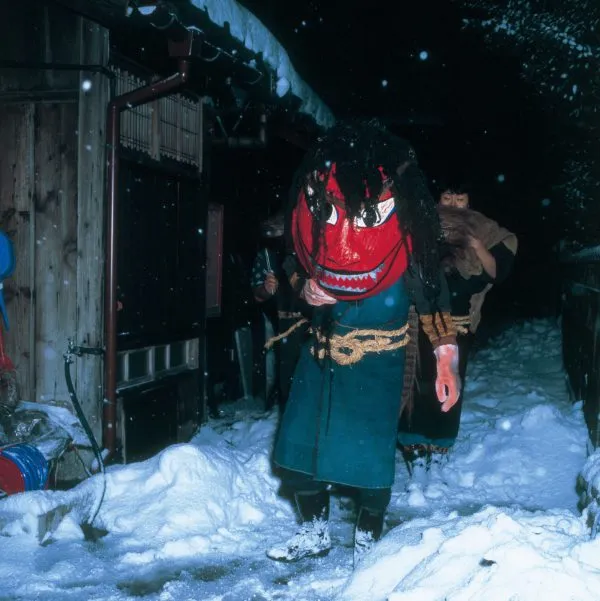
Initiatives to pass unique regional forms of intangible cultural heritage and traditional performing arts on to future generations are equally important. “Kagura Gymnastics” is a traditional exercise program practiced in Nishimera Village, Miyazaki Prefecture. Based on the dances and movements of Kagura, the village’s traditional performing art, it has been incorporated into school education, including at Murasho Elementary School, as well as into community health promotion programs since 1981.
By practicing the routine throughout their six years of elementary school, children learn the basic movements of Kagura. Junior high schools also have “Kagura Clubs,” where students can learn to perform Kagura. The system is designed so that, if students choose to participate, they can become familiar with the basic movements and traditions of the local Kagura by the time they complete compulsory education.
3. Conditions for Success as a Public Performance
(1) The Unique Characteristics of Kabuki
Kabuki has survived not simply because of its excellence as an art form, but because it has developed a relatively self-sustaining ecosystem, similar in some respects to an intellectual property (IP) business, with its own theaters, star performers, and popular repertoire. Since the Edo period, Kabuki has showcased not only the “art” itself but also the “people” who perform it, developing a system in which audiences form strong attachments to particular performers, their “favorites.” By cultivating star performers, Kabuki has also built a loyal audience that returns repeatedly, not only to enjoy individual performances but also to follow the growth and lineage of the performers they support.
At the same time, dedicated theaters and highly specialized stages have made it possible to present productions over extended runs and to stage performances continuously, maximizing their appeal. Building on this history, Kabuki developed a business model that not only preserves the art form itself but also brings performers, productions, venues, publicity, and ticket sales together within an integrated system.
Kabuki has also continued to expand its repertoire and forms of expression in ways that engage its fan base, going beyond traditional plays. Against this background, recent productions in which Kabuki quite literally “takes to the skies” seem entirely natural rather than surprising. In this sense, Kabuki is not merely preserving a “cultural ecosystem.” It has incorporated that ecosystem into the way the performing art itself operates. This distinctive model, however, cannot simply be transferred to other forms of intangible cultural heritage or traditional performing arts.
(2) Making Traditional Performing Arts Accessible to Inbound Tourists and First-Time Audiences
While visitors to Japan are eager to experience traditional Japanese culture, the performing arts sector cannot yet be said to be meeting this demand on a broad scale. Traditional performing arts and intangible cultural heritage that have gained traction among international visitors include Japanese drumming performances and sumo. These share several characteristics: they rely relatively little on language, their appeal can be communicated visually and aurally, they can convey their essence even in a short performance, and they are presented regularly.
International visitors are now said to account for 20–30% of spectators at official Grand Sumo tournaments. The imposing physical presence of the wrestlers, the impact of their collisions, the simple rules, the short duration of each bout, and distinctly Japanese visual elements such as the ceremonial aprons and bowing rituals all communicate the appeal of sumo without relying on words.
Performances at “DRUM TAO THEATER KYOTO,” a permanent theater for Japanese taiko drumming that opened near Kyoto Station in April 2026, likewise use no verbal explanations or dialogue. Instead, gestures and bodily expression engage the audience and build excitement throughout the performance.
Even for performing arts whose appeal can be communicated relatively easily, the challenge, as discussed earlier, is whether a viable business model can be built around having a dedicated venue and presenting performances on a regular basis. Mr. Yamada explains, “When catering to individual visitors to Japan, we cannot predict until the day of the performance when bookings will come in or how many there will be, making it impossible to plan costs with any certainty.” He points to the inherent instability of a business model centered on individual travelers, adding, “Unless we collaborate with promoters and travel companies to package the show with tours and accommodation as a ‘must-see’ experience, positioning it as something visitors should see when they come to Japan or to a particular destination, and secure a certain number of bookings several months in advance, the business simply does not add up.”
The Kecak dance in Indonesia offers one example of how such a model can work. Multiple performance groups operate their own venues and work closely with national and regional tourism organizations so that their performances are consistently included in sunset tour programs beginning at 7:00 p.m. This provides performers with regular opportunities to take the stage, while making Kecak a standard and easily accessible part of the visitor experience.
(3) The Potential and Limitations of Collaborative Productions
Bunraku has also been exploring collaborative productions as a way to reach inbound tourists. In September and October 2024, a large-scale tour was held in the United States. For this tour, Kazuo Oga, who served as art director for the Studio Ghibli films My Neighbor Totoro and Princess Mononoke, created animated backgrounds, and performances sold out in every city. Following the tour’s success, performances were held again in Tokyo in 2025, with international visitors accounting for about half of the audience on some days. More recently, a new Bunraku production titled Machi no Hi, inspired by Charlie Chaplin’s film City Lights, was staged this past summer.
In Yamato Town, Kamimashiki District, Kumamoto Prefecture, Seiwa Bunrakukan regularly presents Choppaa Funade no Fuyuzakura, a collaborative production performed approximately twice a month. The collaboration was made possible by the connection between Kumamoto and ONE PIECE, whose creator is from the prefecture, and the production has strong appeal for inbound tourists arriving in Kumamoto on direct flights from Taiwan.
As these examples illustrate, many efforts to attract new audiences rely on collaborations with popular or widely recognized intellectual properties. Yet a successful collaboration must bring out the originality of both the IP and the performing art. Creating an entirely new work that enhances the value of both is extremely difficult. Without that creative integration, a production is unlikely to generate lasting novelty or develop into a work that can be restaged and become part of the repertoire.
A young practitioner of traditional Japanese music offers a pointed critique: “Many people in the traditional performing arts are driven primarily by the desire to present traditional, authentic performances, without necessarily aspiring to pioneer a new form of expression through collaboration. There also seems to be an assumption that simply bringing fans of a powerful IP into the theater will somehow lead people with no previous interest in traditional performing arts to understand and appreciate the classics. The market is not that forgiving.”
If an IP is used merely as a tool to raise awareness or attract audiences, people will quickly see through it. To create high-quality collaborative productions that audiences want to see again and that can be restaged over time, producers and directors need a deep understanding of both the fictional world of the IP and the expectations of its fan base. They must also be able to identify the essential qualities of the traditional performing art, determine which elements can be adapted, and bring the distinctive strengths of both together to create a genuinely new work.
4. Preserving the Ecosystem of Intangible Cultural Heritage
Reflecting on the discussion so far, I would like to propose two key priorities for preserving intangible cultural heritage for future generations. First, we need to create opportunities for people to encounter intangible culture throughout their lives, from childhood to adulthood. Second, rather than focusing solely on individual performances, such as Kagura, Noh, or festivals, we need to design experiences that connect audiences with the local environment, livelihoods, beliefs, cuisine, tools, artisans, and the lives of the practitioners that have shaped and sustained these cultural traditions.
(1) An Essential Curriculum for Encountering Authentic Culture and Reflecting on Its Meaning
To foster a relationship in which children encounter intangible culture from an early age and do not see it as something belonging to another world, I hope cultural policy will support a curriculum, beginning in kindergarten and adapted to each stage of development, that cultivates an appreciation of culture and the world around them while providing opportunities to experience authentic culture firsthand.
Such a curriculum should begin by clearly articulating why a particular culture or performing art exists, its significance, and why experiencing and preserving it matters. Just as importantly, children themselves should be encouraged, through hands-on experiences, to reflect on the question, “What is intangible culture?” The focus should not simply be on presenting a performance. Ideally, parents would also share in this process of exploration with their children.
(2) Shifting Experience Design to Reveal the Cultural Ecosystem
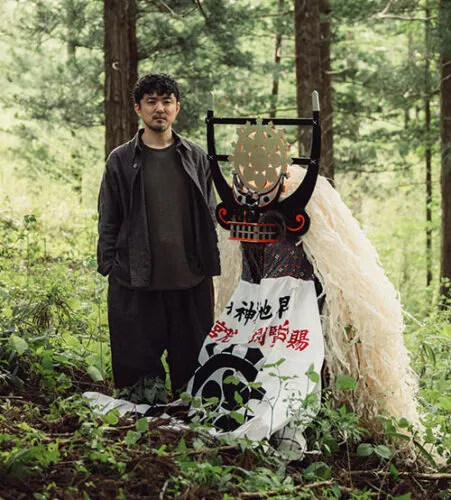
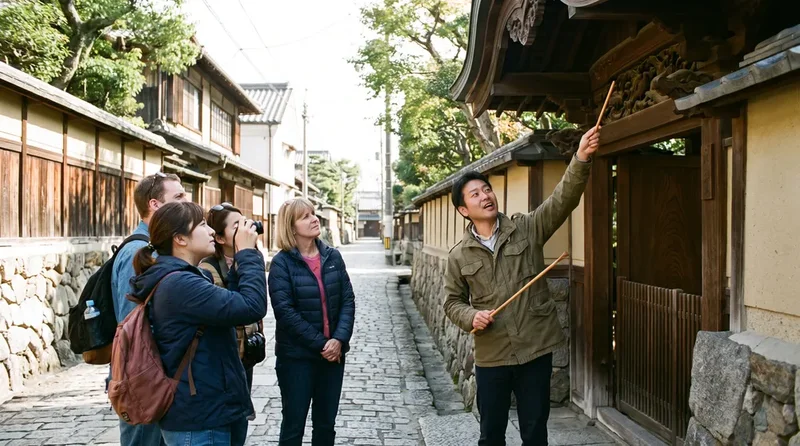
Performances are the visible expression of intangible culture, but the ecosystem that supports them is where much of their deeper meaning resides. Take Kagura as it has been passed down within a local community: walking through the village → learning about the ways of life and beliefs from which Kagura emerged → learning about masks, costumes, instruments, and the artisans who make them → talking with members of preservation societies and young performers → sampling local cuisine → and finally, watching the Kagura performance.
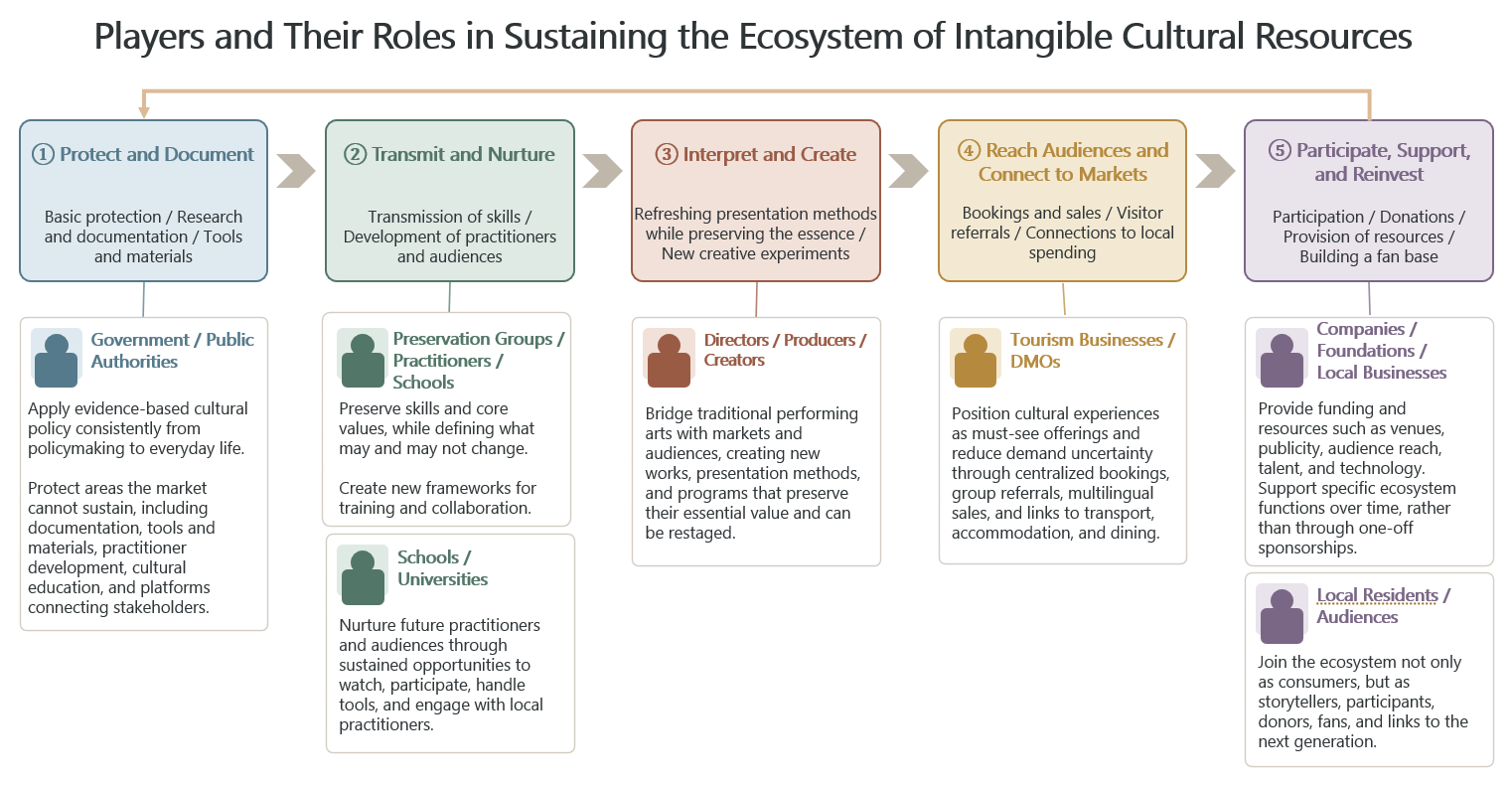
By carefully designing this sequence, it becomes possible to create a distinctly local experience that cannot be replicated digitally. Moreover, rather than simply providing “correct answers” about the stories or rituals involved, interpretation should guide visitors through a process of exploring and discovering the meanings embedded in the sounds and movements themselves. This can offer insight into the emotions, prayers, and beliefs that lie behind the performance, transforming the experience into something more than simply watching a show (Figure 2).
Figure 2: Players and Their Roles in Sustaining the Ecosystem of Intangible Cultural Resources
5. For Whom and For What Purpose Are We Preserving These Traditions?
I sometimes use the term “sentimental value” somewhat critically in response to calls to “preserve something because it is valuable” when such calls come from those outside the culture itself. Except in the case of cultural properties of exceptional importance, something of historical value cannot be sustained unless people who may not regularly use, enjoy, or support it in their daily lives nevertheless come to recognize its value and say, “We want to preserve this.” For cultural heritage to remain alive, people must experience its value firsthand, become advocates for it, and ensure that practitioners can continue to carry it forward as part of everyday life and society.
For communities and those who carry on these traditions, preserving intangible cultural heritage means leaving future generations more than the performances themselves. It means passing on a resource that can help them understand their own region and society, rooted in the communities and networks that have created and transmitted the culture, while also providing society as a whole with a shared foundation for dialogue with other cultures. Revenue from tourism and ticket sales can also provide an important source of funding for passing this heritage on to future generations.
At the heart of intangible cultural heritage policy should be the preservation of the ecosystem itself, renewing what needs to change while creating space for the next generation to participate. This requires diverse stakeholders, including government agencies, preservation societies, artisans, tourism businesses, creators, and artists, to share responsibility for bridging the worlds within and around the culture and making these traditions accessible rather than treating them as the preserve of a select few. What must be passed on are not only memories, embodied knowledge, techniques, and values, but also the relationships with nature that lie beneath the visible surface of intangible cultural resources. At both national and regional levels, we must continue to cultivate the fertile ground from which new forms of expression can emerge.
I hope for a future in which social media is filled with people excitedly talking about their favorite Japanese flutes, favorite Kagura performances, or favorite Bunraku costume designers, just as young people today enthusiastically talk about their favorite artists.
著者