What Should We Do Beyond the SDGs? Creating Space Rather Than Adding More: Toward Tourism in the Age of Well-being
As we move closer to achieving the SDGs, well-being is gaining attention as a key theme for the future of society. This column explores a new role for tourism in the age of well-being: building on the value tourism has traditionally provided while also creating space in travel for people to pause and reflect.
As the SDGs draw closer to their target date, discussions are beginning to look toward the society that comes after them. One of the key themes in these discussions is well-being.
The World Health Organization (WHO) defines health as a state of physical, mental, and social well-being [1]. In recent years, growing attention has also been paid to “subjective well-being,” or how individuals perceive their own happiness.
According to self-determination theory in psychology, “people experience a greater sense of fulfillment when they feel they are making their own choices and acting in accordance with their own values” [2]. In other words, enhancing well-being requires us to recognize what we ourselves truly value, rather than simply following values defined by others.
Yet, surrounded by so much information and so many choices, do we have enough opportunities to pause and reflect on what truly matters to us?
The Value Tourism Has Created and What Comes Next
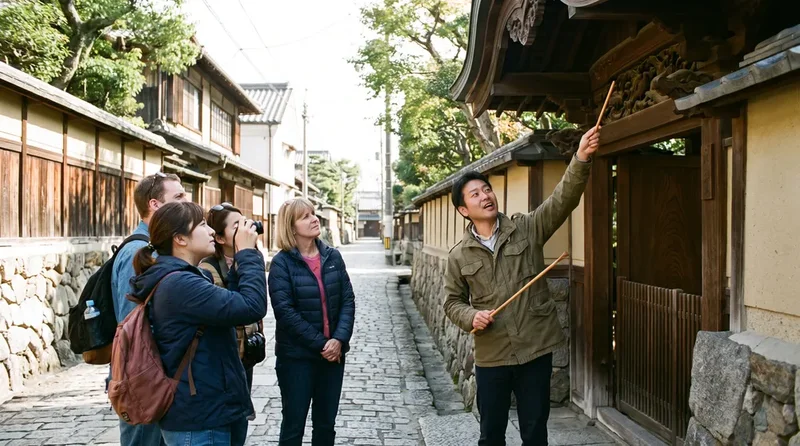
Tourism has traditionally created value in the form of inspiration, learning, and discovery by offering opportunities to visit places beyond our everyday surroundings and encounter different cultures and experiences. These forms of value will remain important.
At the same time, if tourism is to create value that helps people live in ways that feel true to themselves and move toward self-actualization, simply providing more experiences and information is not enough.
Two Elements for Creating Space
This is where the idea of creating “space” becomes important.
Two elements are essential:
- Time to pause
- Opportunities to reflect on oneself
These two elements are essential.
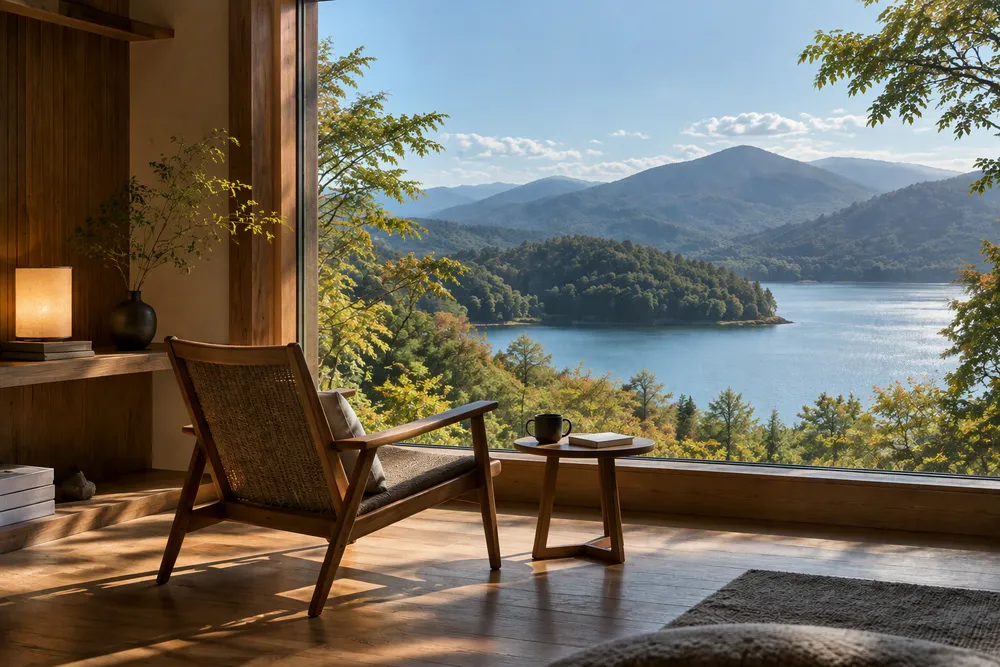
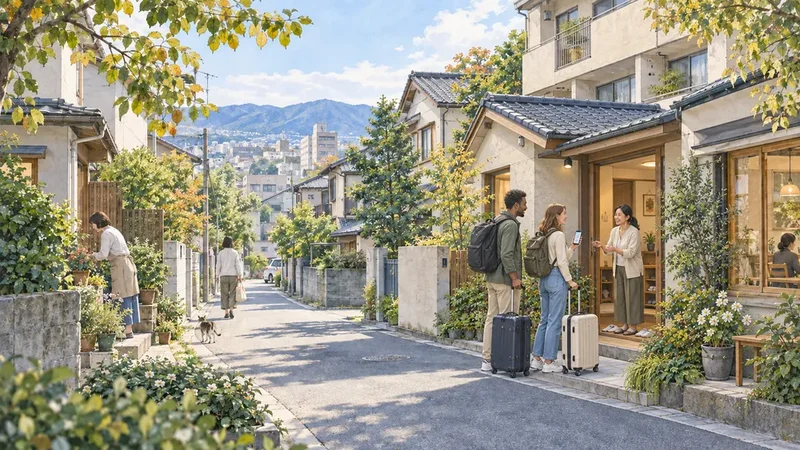
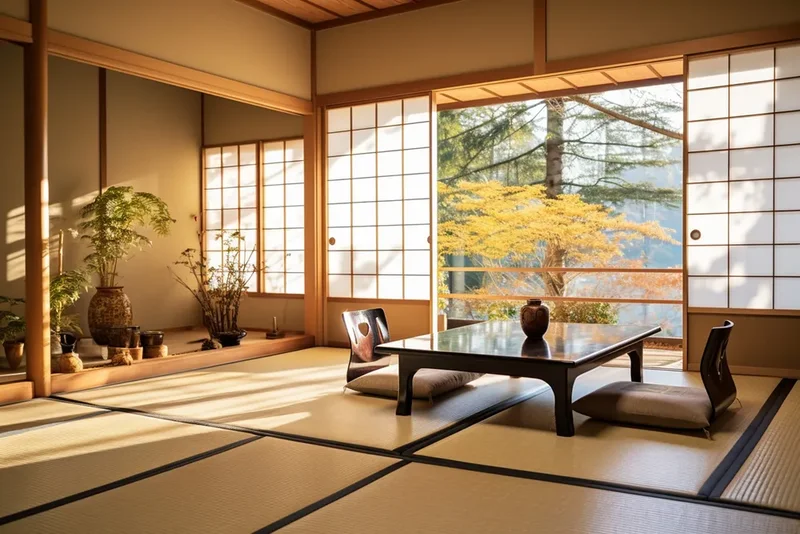
First is “time to pause.” By designing itineraries with fewer destinations or longer stays in each place, travelers can create time to take in the local scenery and way of life.
Next are “opportunities for reflection,” which help travelers make meaningful use of that space. This is not simply about increasing free time. Rather, it means creating opportunities to deepen travelers’ understanding of a place by encountering the values and perspectives of the people who live there, including what they cherish and why they have chosen to live as they do.
For example, guidebooks or apps can introduce travelers to the values and ways of life of local residents, giving them an opportunity to reflect on their own values and how they want to live.
Time to pause on its own can amount to little more than free time, while opportunities for reflection alone can end up as simply another form of information provided on a typical tour. By combining the two, travelers gain an opportunity to reflect on themselves and recognize what truly matters to them.
The New Role of Tourism in the Age of Well-Being
What tourism will need in the future is not“what to add,” but “how to create space.” Insights gained through travel can prompt travelers to reconsider their work, daily lives, and relationships with others, leading to choices and actions that feel true to themselves. Over time, such experiences can help people move toward ways of living that feel more genuinely their own.
Perhaps tourism of the future will do more than simply take people to destinations. It may also offer opportunities for people to discover ways of living that feel true to themselves. That may be precisely the new role tourism can play in the age of well-being.
References and Sources
[1] World Health Organization (WHO): Definition of health in the “Preamble to the Constitution.”
[2] Ryan, R. M., & Deci, E. L. (2000): Self-determination theory and the facilitation of intrinsic motivation, social development, and well-being.
著者