“Tourism × Photography” | “On Travel and Photography”
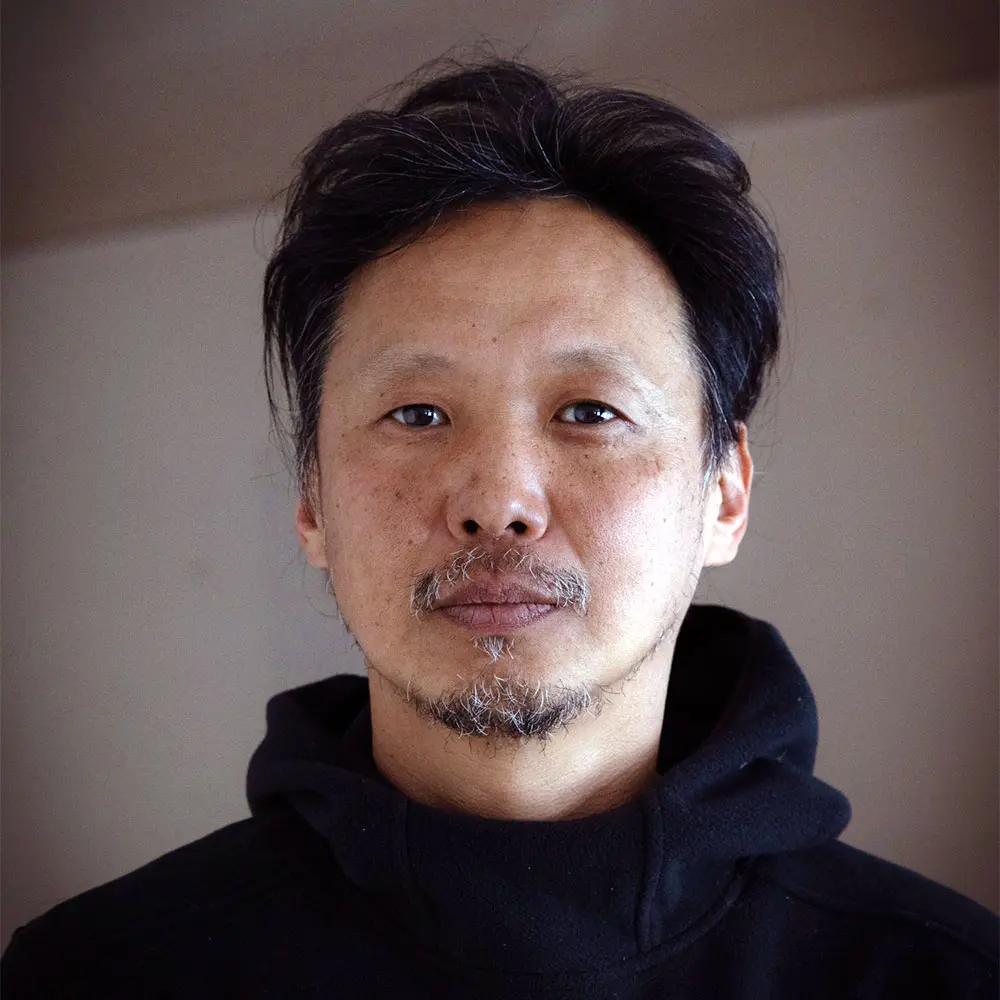
In today's world, both the role of photography as a medium and the very meaning of the act of taking photographs are changing. We asked photographer Uruma Takezawa—who has traveled the world and continued to take photographs—to contribute an essay on photography in travel, the boundaries between people, and the respect and sincerity that underlie it all. We invite you to let your thoughts wander quietly toward the essence of travel.
Travel means crossing boundaries and immersing oneself in the extraordinary world that lies beyond.
The world one encounters while traveling is full of excitement—a succession of moments that stir the soul. Even if a scene is merely an everyday sight for the locals, for travelers, what they see and experience carries a special sense of wonder: something worth recording, something they want to bring home and share with others.
Now that smartphones with cameras have become so widespread, taking photos has become so effortless that there are few travelers who return from a trip without having taken a single one. In that sense, travel and photography have become inextricably linked in the modern world. It is this theme—travel and photography—that I would like to explore in this article.
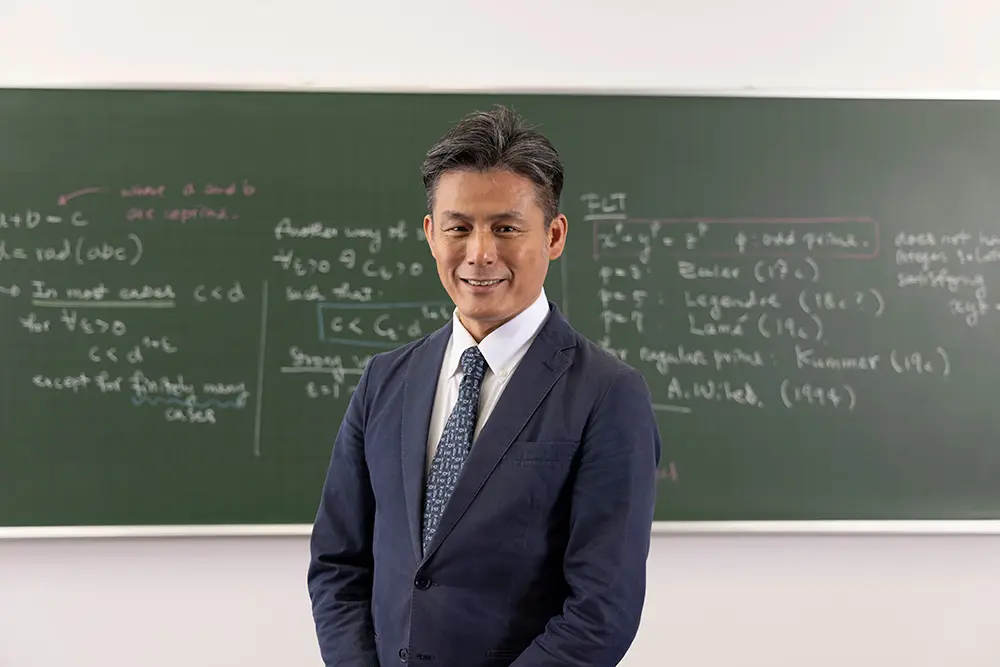
First, let me briefly share my background. I am a photographer. My main theme is "the earth." And by "the earth," I mean not only the land itself, but the people who live upon it. My perspective is rooted in the idea that people who live in close harmony with nature, and who cherish the traditions and cultures born from it, are themselves part of nature—and can therefore be called "the earth."
I have been traveling in search of the "earth" for nearly 20 years, and before I knew it, I had visited nearly 150 countries and regions, meeting people of diverse values and traditional cultures and photographing them along the way. It wasn't only about traveling: from 2016 to 2019, I also lived on Rarotonga, an island in the Cook Islands in the South Pacific. Looking back, there was never a moment when I wasn't holding a camera, so I can say that travel and photography have been the very essence of my life.
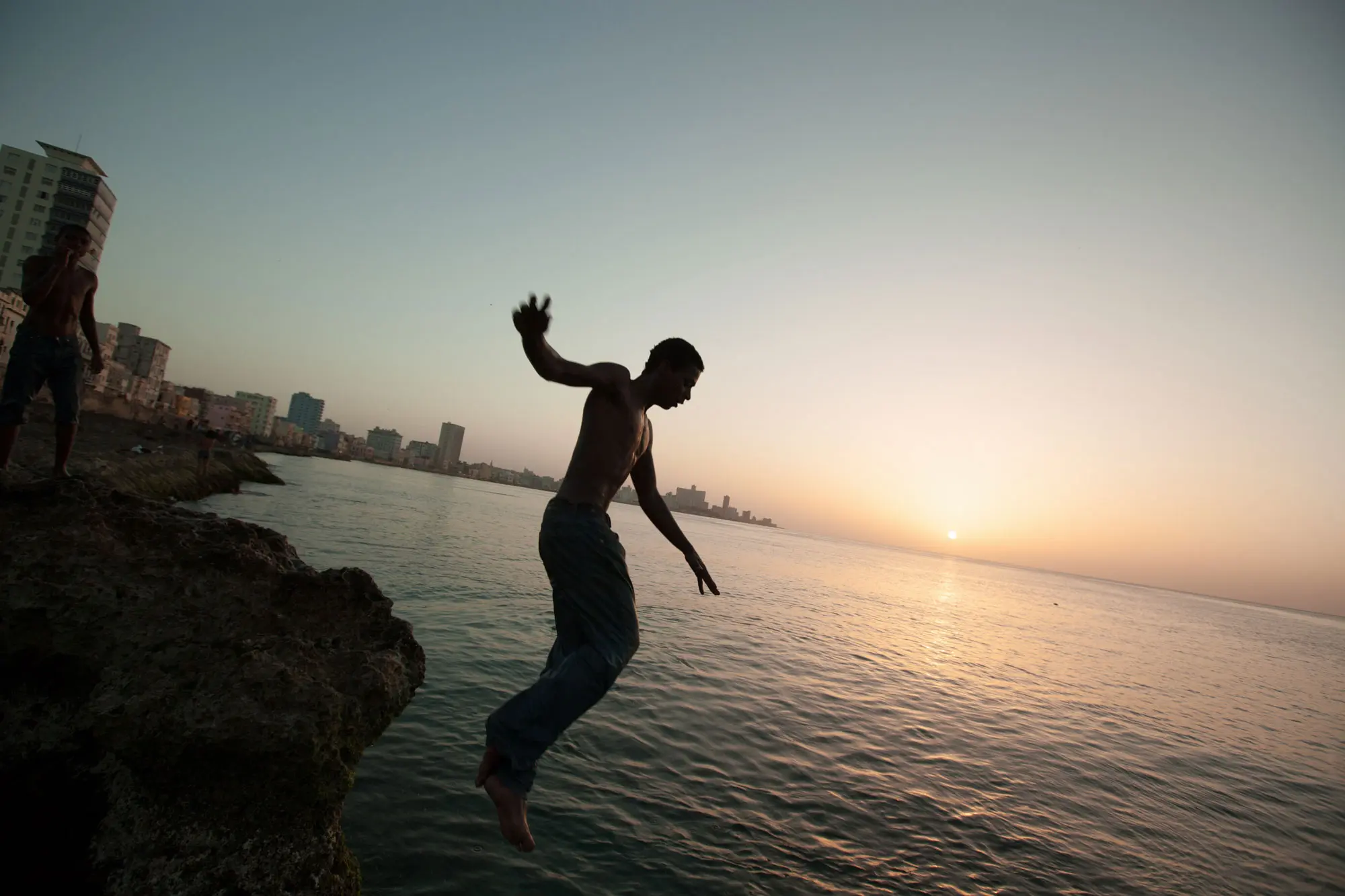
I believe there are two main reasons why travelers take photographs: to document their experiences, and to share them.
From the perspective of documentation, what is captured in a photograph is not only the scenery the traveler saw and the people they met, but also the emotions that welled up within them—deep emotion, wonder, and nostalgia. When the shutter is released, an objective or subjective moment of the journey is recorded and archived. When the photographer looks back at these photos years later, memories of the trip are revived—starting with the landscapes and people in the images—allowing them to relive the sensations and emotions of that moment. In this sense, photographs taken for documentation while traveling are, to a large extent, an act done for oneself.
For me personally, the reason I started taking photographs was precisely this: to document my experiences. When I was 18, I visited Okinawa and was amazed by the underwater world I encountered there. I began taking photographs so that I would never forget the scenery and emotions of that moment—the underwater landscape I saw, and the sense of wonder that welled up within me upon encountering it. I've been taking photos for nearly 30 years since then, and I've never strayed far from that original motivation.
While documentation is an act for oneself, the role of photography does not end there. Beyond documentation lies sharing.
Photography, like language, is a tool for communication—but with one crucial difference. Language requires translation depending on the region, whereas photography does not. Whether in an English-speaking or Spanish-speaking region, or even in a minority-language area where words are completely incomprehensible, the visuals captured in a photograph convey their message to the viewer in a way that transcends language. Not only can I convey what I actually saw, but I can also convey how I felt. Moreover, this transcends gender and age, making photography an immensely effective form of nonverbal communication.
Many people post photos on social media while traveling, and the images shared there are distributed in real time around the world, resonating with countless people. Travel and social media are a natural match; on these platforms, photos act as a communication tool even before language does. Naturally, the importance of photos on social media is significant. However, this can also lead to the purity of a photograph being compromised—through excessive staging, or the gradual blurring of reality and fiction.
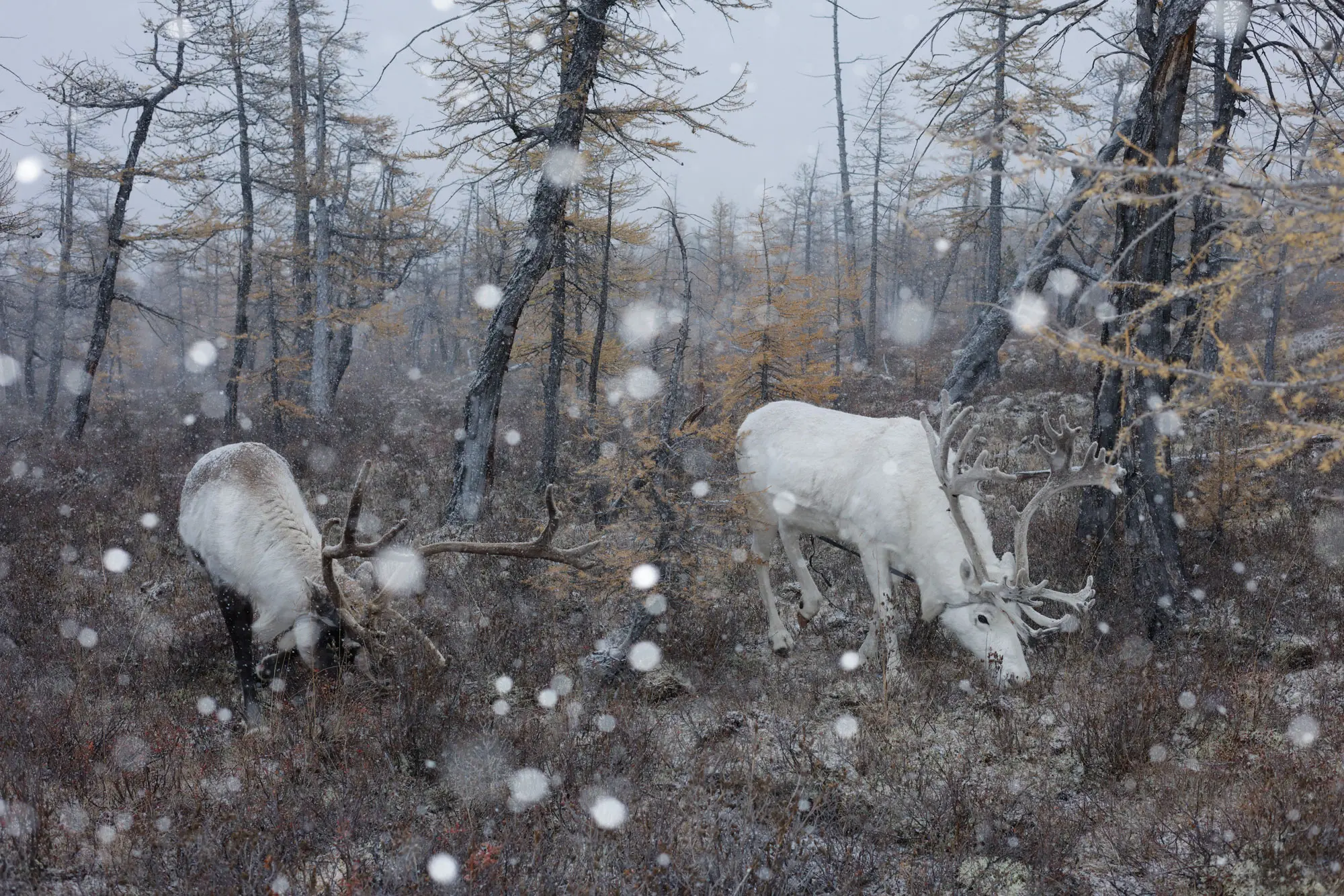
A photograph is the result of the act of taking a picture. I mentioned that photos are a tool for communication, but the act of taking a photo itself also serves as a form of communication while traveling. Even people who are usually hesitant to speak to strangers have likely had the experience of mustering the courage to approach locals while traveling—precisely because they were holding a camera—and asking to take their picture. Since digital photography is now the norm, people often show the photos they've taken right there on the spot, and in that moment, another form of communication is born.
However, one thing to be mindful of when taking photos while traveling is that the act of photography can sometimes be a form of violence. Taking a photo is also an act of archiving a fragment of time that belongs to the subject and claiming it as the photographer's own. Therefore, if the subject asks you not to take their photo, you must respect that request.
In my experience, only about one person in every hundred refuses to be photographed. The majority of refusals stem from the person's current circumstances—being in a hurry, or in a difficult emotional state—and very few people refuse without good reason. In fact, most people are genuinely positive about being photographed.
I suspect that many photographers create arbitrary boundaries in their own minds, forming unfounded preconceptions—such as "this person probably won't let me take their photo"—and consequently talk themselves out of even trying. Alternatively, I believe there are many instances where permission is denied simply because the photographer fails to treat the subject with respect.
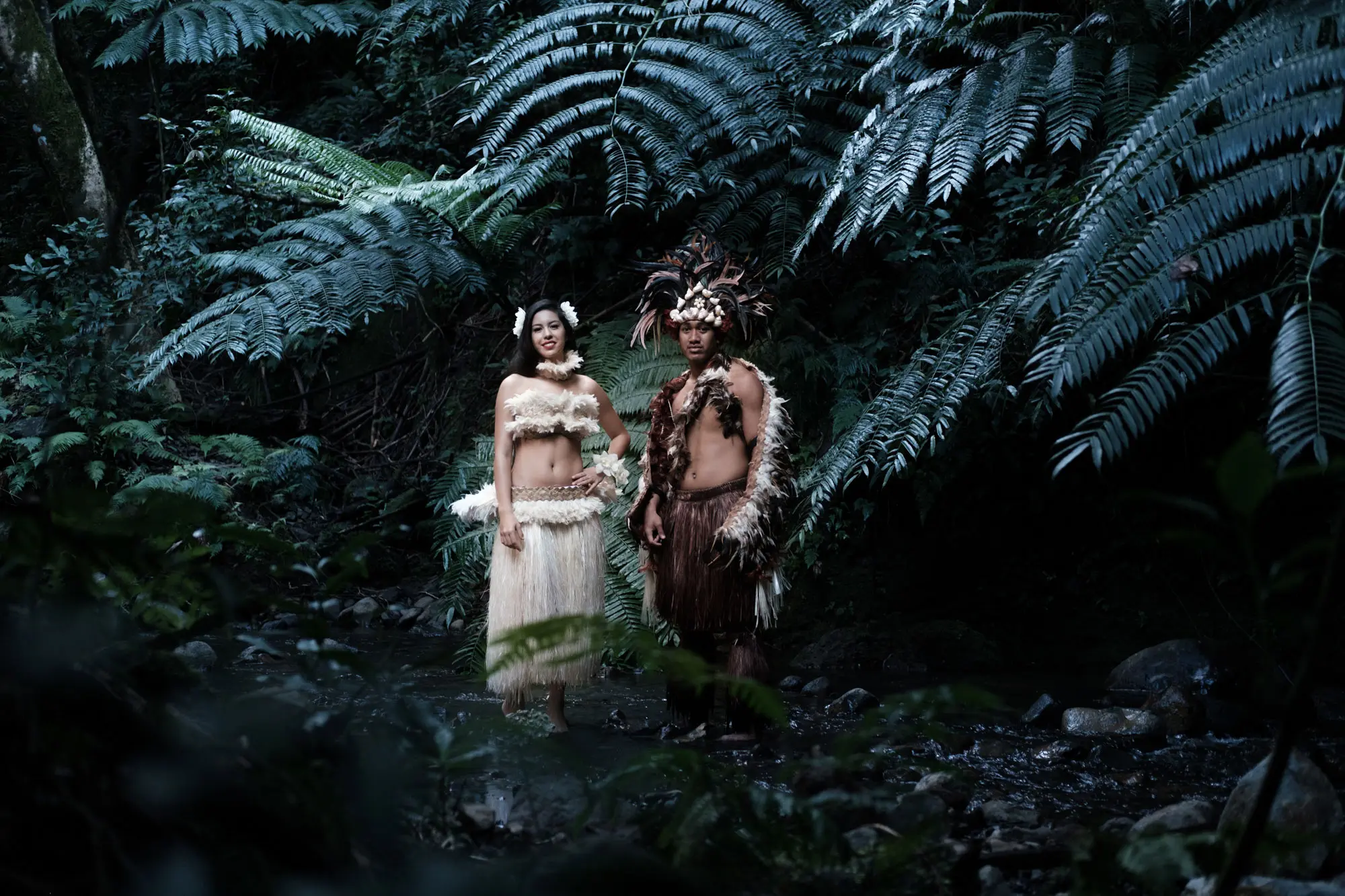
While traveling, I often encounter other photographers—including groups who, upon seeing locals living in so-called "remote areas," become excited as if they'd spotted a rare animal on the savanna and all point their cameras at once. People who had been completely at ease and happily let me photograph them would suddenly become stern and angry the moment a crowd of tourists with cameras rushed in. They would then confront the photographers, holding out their hands and demanding payment. If people arrive unannounced and without consideration, unilaterally exploiting local residents through the act of photography, it is only natural that those residents would demand compensation. I don't believe they are truly asking for money; what lies at the end of those outstretched hands is a desire for respect.
Traveling is the act of crossing one's own boundaries and entering the boundaries of others. The act of taking photographs is, similarly, an act of crossing the line between one person and another. What is needed in that moment is a sense of respect for the other person. No matter what country you're in or what kind of life someone leads, if a stranger suddenly appeared in your living space and pointed a camera at you without a word, you would not feel comfortable. Simply put, you shouldn't walk uninvited into someone else's home with your shoes on—you need to say hello and take them off before entering.
The people we photograph are neither commodities nor spectacles. Travel, too, is not inherently a commodity. We may pay money to purchase the time to travel, but what we encounter at our destinations is the everyday life of the people who live there. It is our own self-serving logic that converts this into a transaction.
If that is the case, we should at the very least show respect. Photography can easily become intrusive if handled carelessly, but when approached with genuine respect, it can serve as a powerful communication tool—one that does not draw boundaries, but transcends barriers of values, culture, and language.
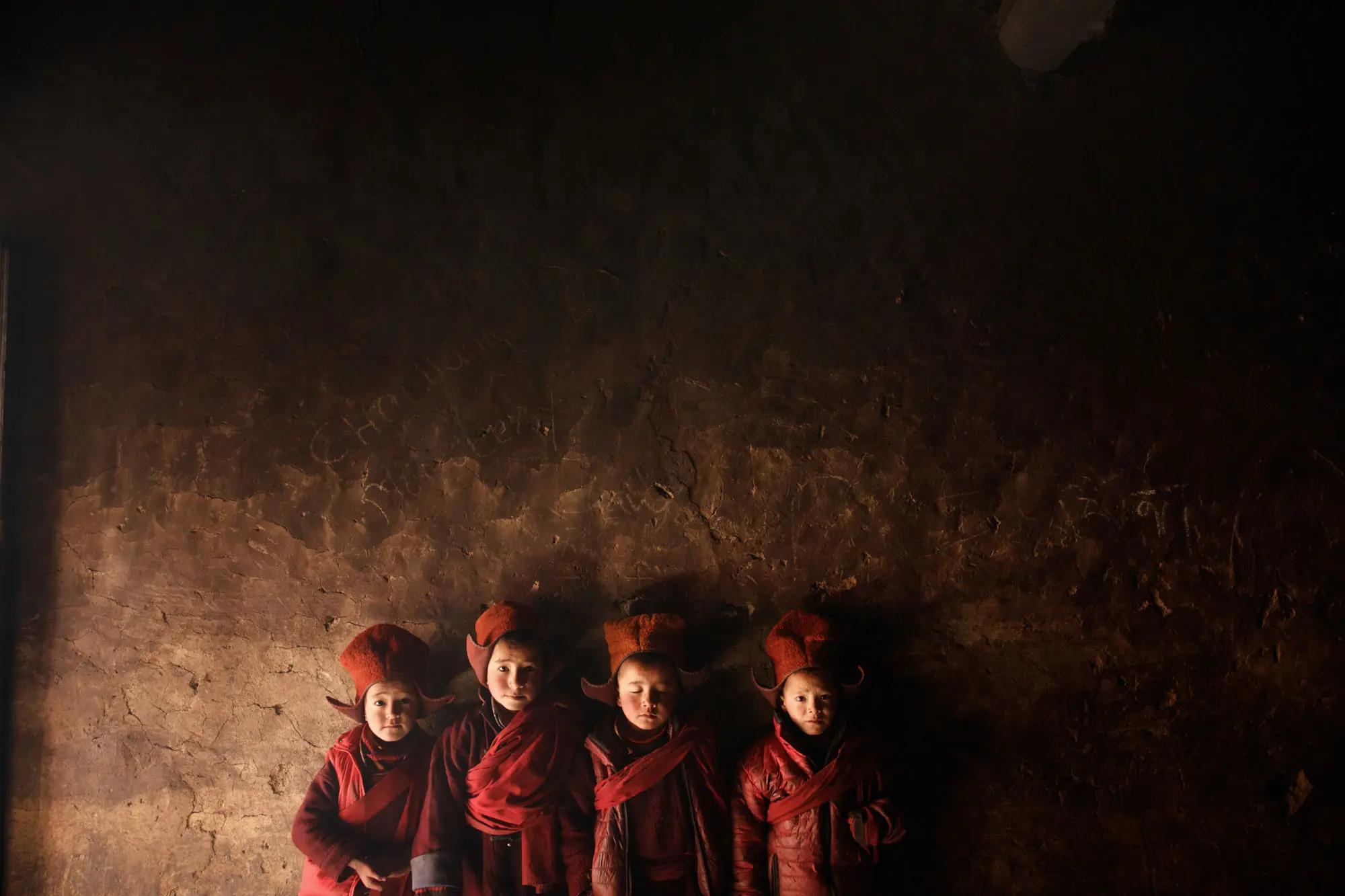
So, how can we take good photos while traveling? Answers to what constitutes a "good photo" vary widely, but for the sake of this discussion, let's define it as a photo that, when we look back on our trip, effectively conveys the emotional journey we experienced—to ourselves and to others who view it.
To achieve this, avoid trying to simply replicate a scene that someone else saw somewhere else. Even when looking at the same scenery, everyone perceives it differently. Even if a guidebook or social media describes a scene as moving, that is someone else's experience—and if it doesn't particularly move you, there is no need to photograph it.
What matters is this: if something moves you while traveling—whatever it may be—simply press the shutter without overthinking it. The moment you become overly conscious of what you're capturing, a photograph shifts from being sensory to being intellectual, and instantly loses its vitality. Photographs have a tendency to absorb extraneous elements—exaggeration, the desire for self-promotion, deception. That is precisely why it's best to shoot exactly as you feel. Don't worry about showing the photos to others, don't try to demonstrate your technical skills, and don't imitate photos you've seen elsewhere—simply feel the stirrings of your own heart and take the picture. It is in photographs taken in such moments that truth is captured.
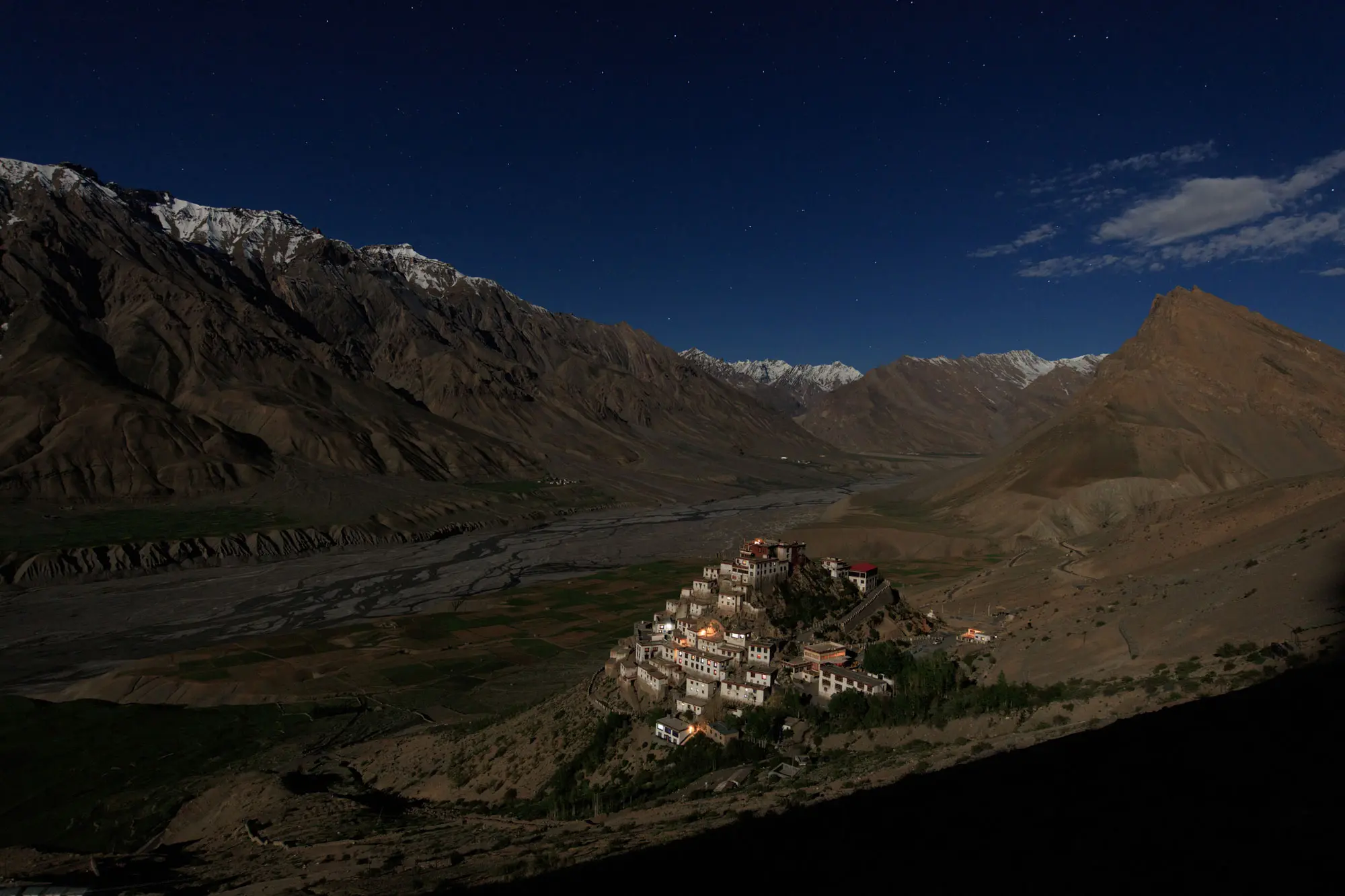
When I travel to places where I don't speak the language and photograph the people who live there, I'm often asked how I handle the language barrier. My answer is that communication isn't built solely on language. Language is, of course, convenient—it allows us to convey what we want to say and share what we want to share. But that is merely a matter of efficiency; it isn't everything. There are other tools for communication: gestures, body language, facial expressions. We are not interacting with creatures whose behavior is entirely foreign to us—even if our values and ideas differ, we are all human beings. Communication can take place without language, and the act of photography can help facilitate that.
I'm also often asked how to take memorable portraits of people while traveling. My answer: the key is to relax. While there is no doubt that the subject is the person in the portrait, I'd like you to consider that the expression captured there reflects the photographer's own expression. In that sense, whether or not you can take a memorable portrait depends on how you, the traveler, engage with the world. If the photographer is relaxed and at peace, the expressions of the people being photographed will naturally become serene as well. The reason they are smiling in the photo is because the photographer is smiling.
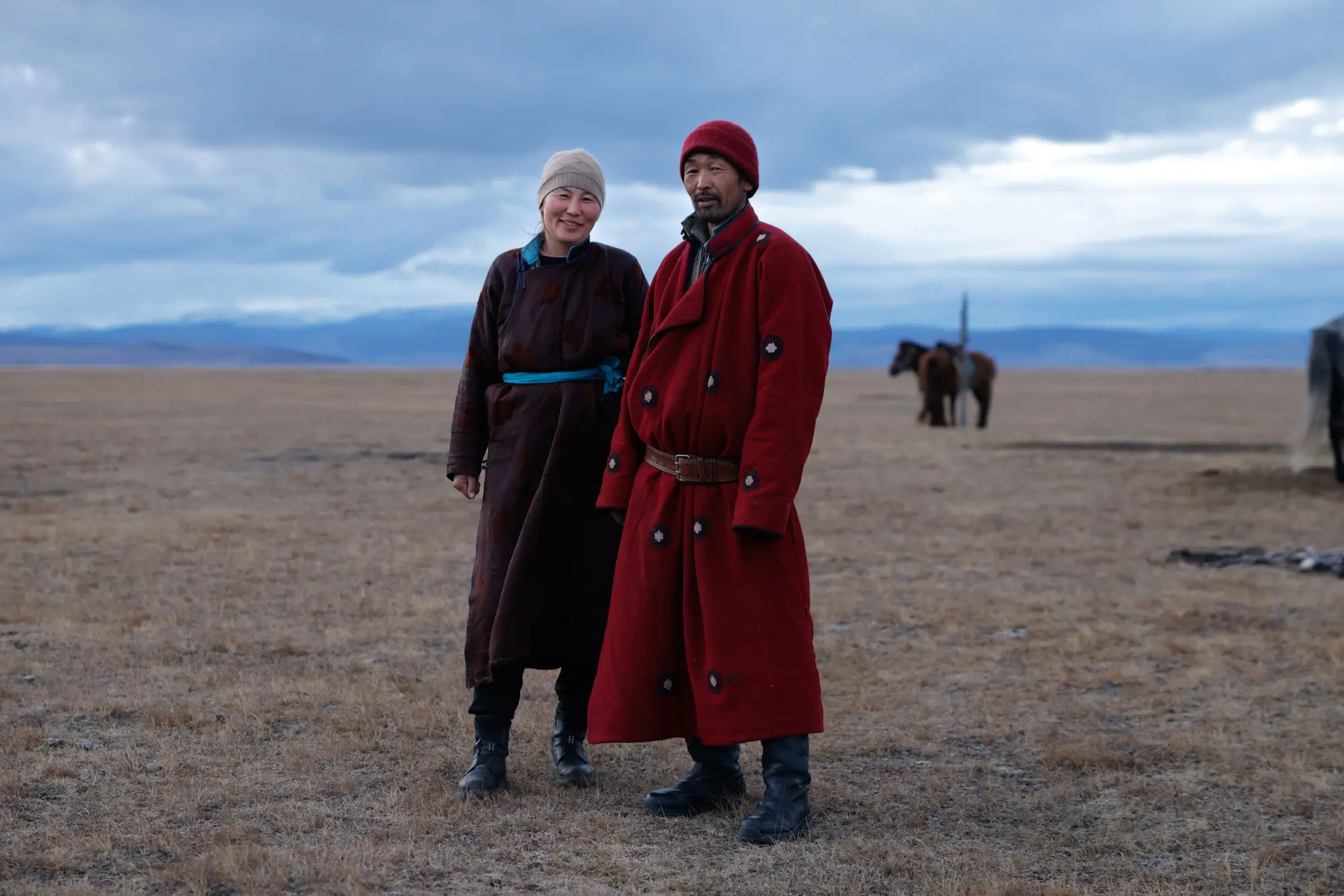
Finally, I'd like to share a brief travel anecdote.
I once spent three years traveling abroad, away from Japan—moving overland by bus and train through South America, Africa, and Eurasia as a backpacker. When I first set out, I visited places I wanted to see with a guidebook in hand, but I soon grew tired of that formulaic journey—one already mapped out and documented by someone else. I lost my sense of how to travel, and gradually began to shut myself away in my lodging.
Around that time, I heard there was a festival in a small village near the city of Potosí in Bolivia, and I decided to visit for a change of pace.
I got off a local bus and walked for a while across a dry hill before reaching the village, where people had gathered. There were no other tourists, and I stood at a distance, feeling a little self-conscious, watching the young women in traditional costumes dance. Just as the dance ended, the dancers came over to talk to me. They asked all sorts of questions—where I was from, why I was traveling—and prepared drinks and food for me. We spent a great deal of time together. The festival lasted several days, and as I returned each day, I grew close to them.
When the festival came to an end and it was time to say goodbye, one of the dancers gently plucked a flower from the decoration on her hat and handed it to me.
"Take this with you on your journey in my place," she said.
She explained that, although she truly wanted to travel herself, she didn't have that freedom. I accepted the flower ornament and continued on through many countries and regions. I was deeply moved by her gesture. In that moment, my heart overflowed with gratitude—they had restored the joy of traveling to me, even though I had grown weary of it. Since that encounter, I have actively sought out connections with people wherever I go. The encounters continued unceasingly, and in the end, my journey stretched out to two long years.
I later learned that the festival I had visited is called "Tink" in Quechua, the local language—a word that means "encounter."
Whenever I talk about my three-year journey, I always mention this "Tink." And yet, I have no photograph of the dancer who gave me the flower garland—because I wasn't able to take one at that moment.
As a photographer, I probably should have captured the emotions I felt in a photograph. But I didn't take her picture. I felt that even if I had, it wouldn't have captured the feelings welling up from deep within me at that moment.
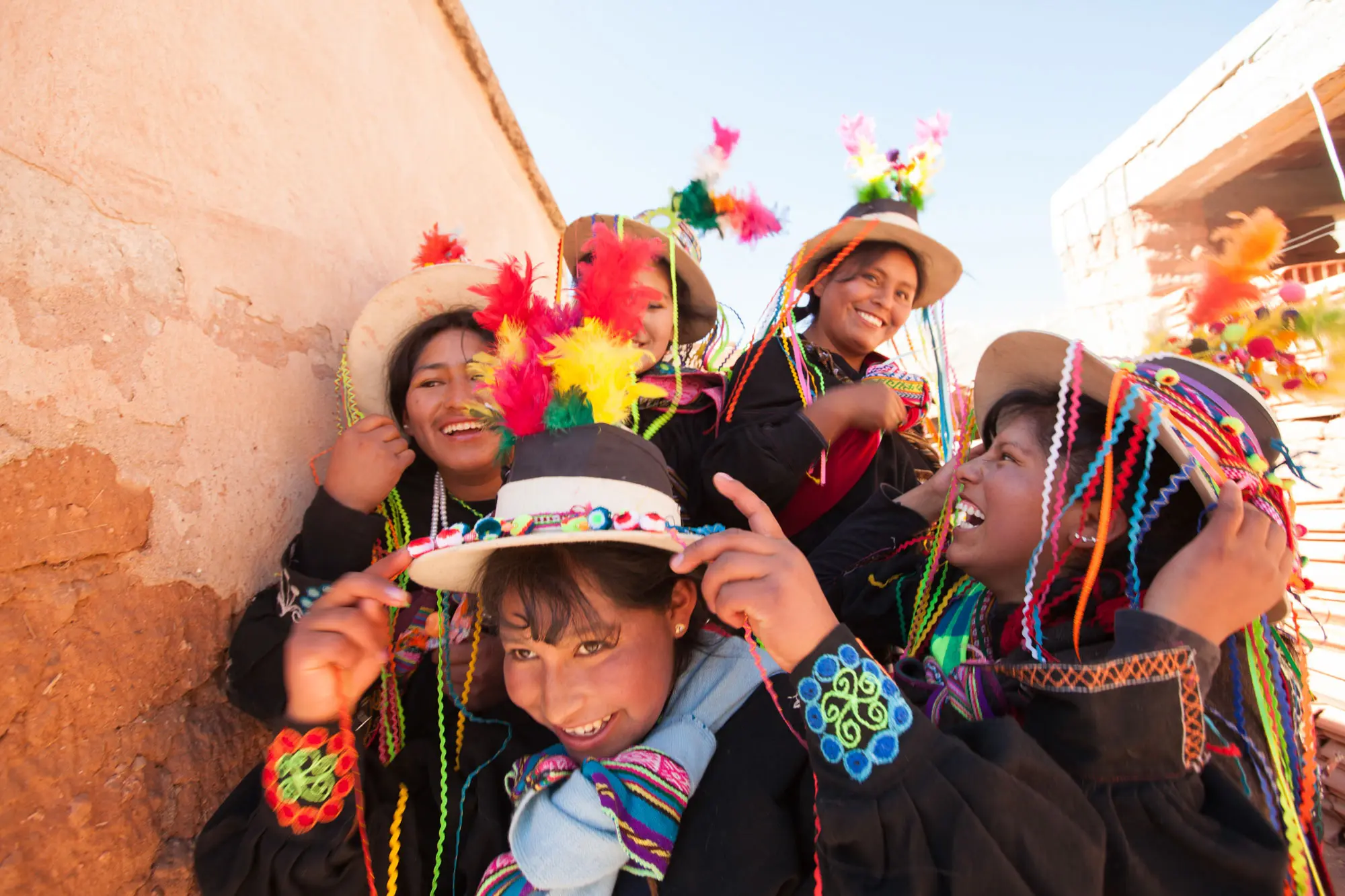
There are many emotional fluctuations while traveling. When you feel those stirrings, simply pressing the shutter will capture the traveler's own emotions in the image. But if you encounter a profound emotion that truly moves you from the depths of your heart, I recommend setting the camera aside and instead firmly etching that sensation into your heart.
True feelings are not recorded in a photograph—they are deeply etched within the person themselves. This may seem contradictory coming from a photographer, but I hope you'll understand that these are words that could only emerge from years of living closely with both travel and photography.
I hope that many travelers will have wonderful encounters.
著者