
Insights
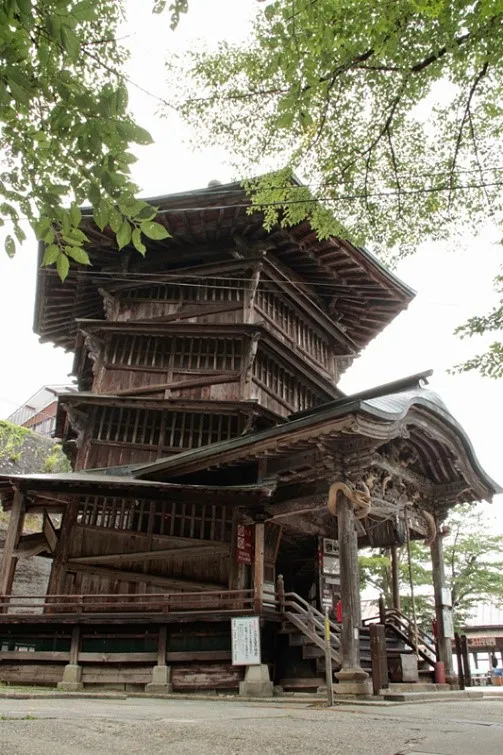
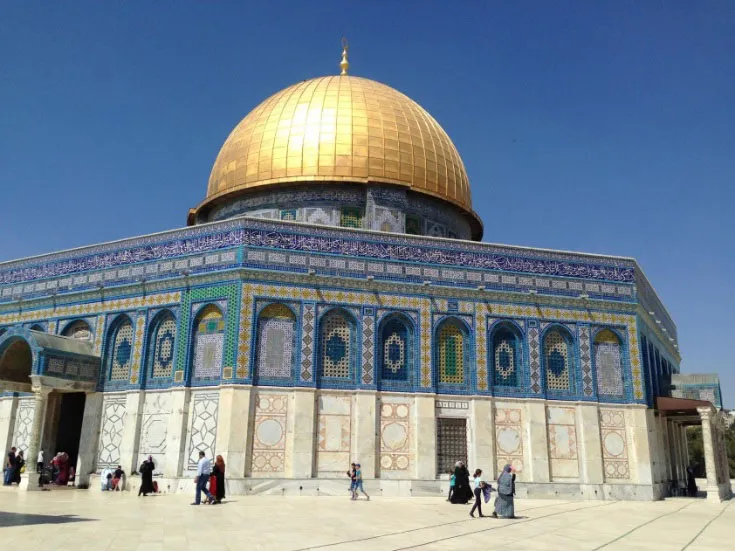
With the rapid growth of inbound tourism and increasing efforts to preserve and transmit local culture, there is a growing emphasis on leveraging a region’s unique tangible and intangible cultural assets for tourism.
Beyond generating economic benefits—such as promoting local culture domestically and internationally, developing culturally driven tourism offerings, and revitalizing and repositioning museums—we also support initiatives that foster civic pride rooted in local culture.
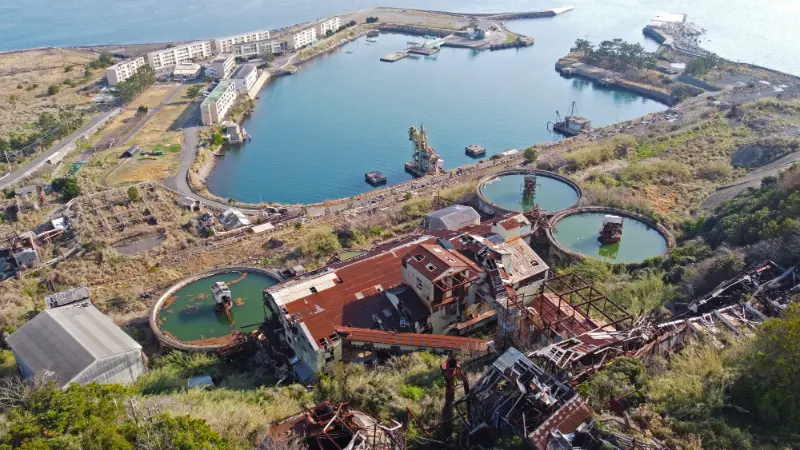
With ongoing population decline, many regions are facing increasing challenges in maintaining and transmitting the tangible and intangible cultural assets, industries, and infrastructure they have developed over time. At the same time, many regional museums—often established during the Showa era—are reaching a stage where renovation is needed.
Meanwhile, the growing number of international visitors to Japan are seeking opportunities to engage more deeply with Japanese culture. The diverse cultural assets and industries rooted in Japan’s regions therefore represent significant tourism potential.
Encouraging more people—including both local stakeholders and visitors—to learn about and value local history and culture not only contributes to economic benefits that support cultural preservation, but also fosters civic pride and helps sustain regional cultural identities.
Shaped by their natural environments, the development of towns and industries, and exchanges with surrounding regions, each area in Japan has developed its own distinctive history and culture. We work with local communities to explore how tourism and cultural exchange can support the preservation and transmission of these cultural assets. This includes weaving together each region’s unique narrative, highlighting the everyday lives of those who sustain it, and making the experience and understanding of local culture central to travel.
Every region has its own unique beliefs and customs shaped by its geographical environment, as well as local industries and culinary traditions fostered through interactions with other cities. These elements are leveraged as tourism resources that highlight each region’s distinct charm. In response to the recent diversification of tourist destinations and market demand for deeper engagement with local communities, we provide support for the creation of promotional materials and educational resources to pass on both tangible and intangible cultural assets to future generations, as well as for the development of tourism programs and guided tours.
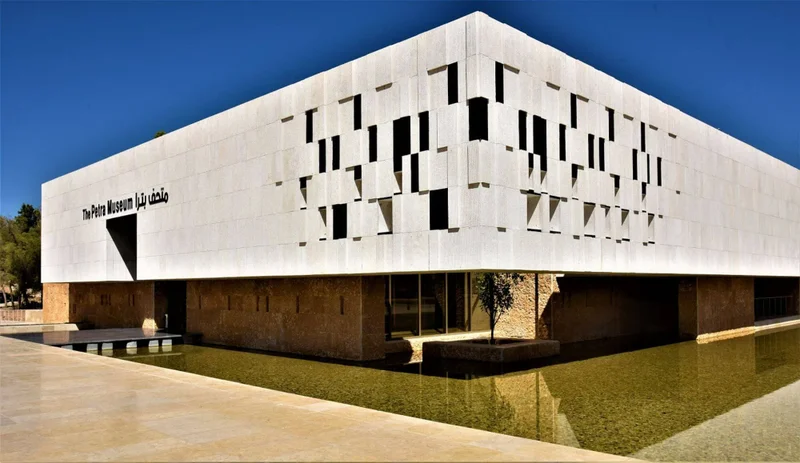
As local public museums and art galleries built around the same time begin to show signs of aging and face limited storage capacity, discussions regarding renovations and mergers are underway across the country. At the same time, community development initiatives that leverage art—such as regional art festivals—are thriving, and these facilities can serve as hubs for cultural exchange for tourists, including international visitors.We support efforts to explore a new vision for museums and art galleries in this era—one that not only properly preserves and passes on local treasures but also introduces them to a wider audience through tourism, enabling people to engage in various activities beyond mere viewing.
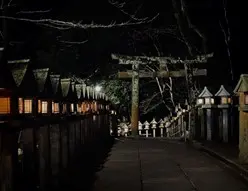
Shrines and temples are irreplaceable institutions that tell the stories of their local communities. At the same time, however, the decline in the number of parishioners and temple members is making it increasingly difficult to pass down their rituals and traditions. As the revenue base of these institutions—which has traditionally relied on local ties and kinship—shrinks, they are now called upon to foster a “related population” connected by shared values and actions that transcend geographical boundaries, as well as to create new functions within the community.Together, we will explore what these places should be like as spaces where people gather and connect, while preserving their cherished traditions.
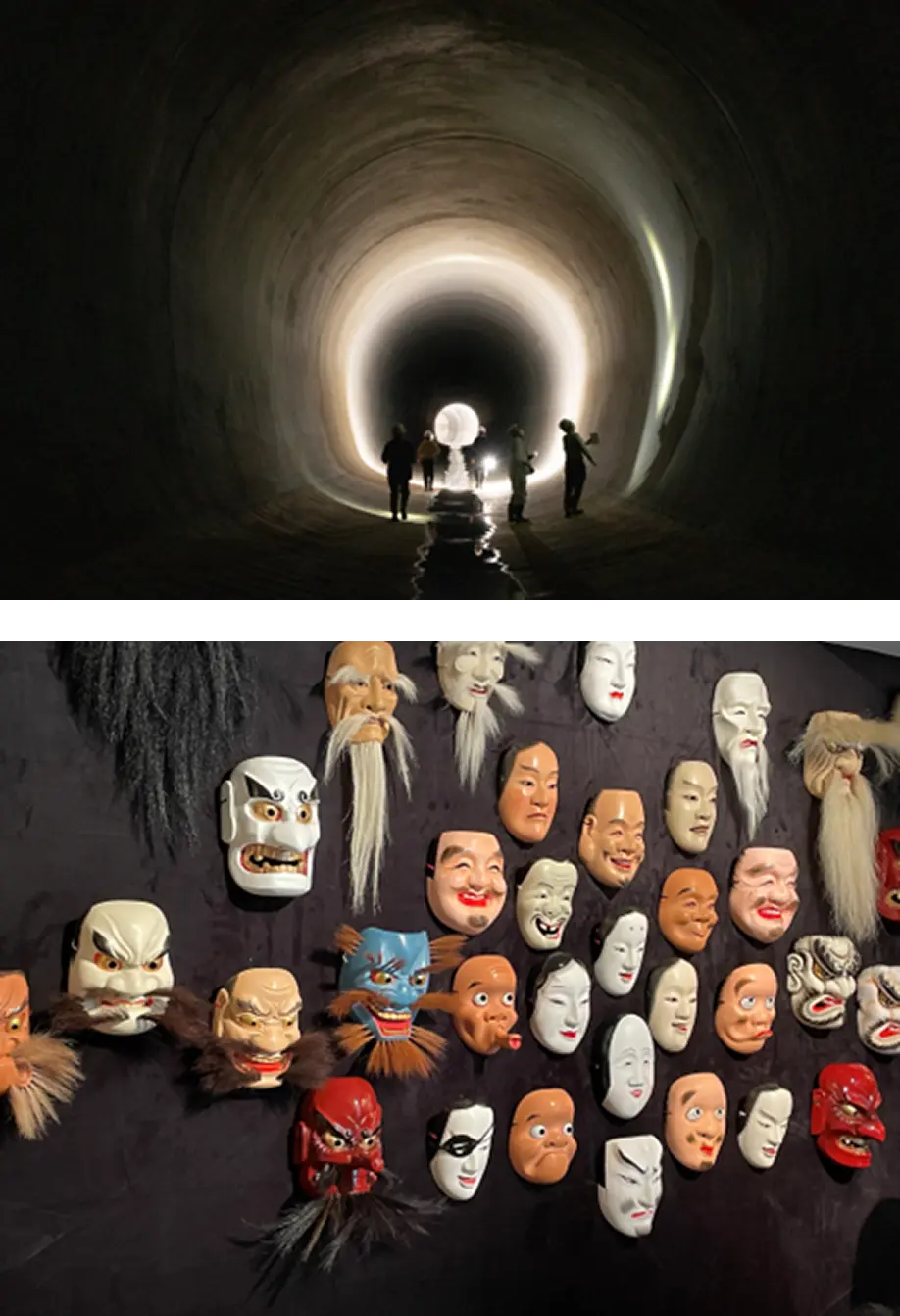
We provided ongoing support for establishing the necessary conditions and developing product and distribution strategies to utilize the "New Kusakawa Diversion Channel"—a flood control facility completed in 2024—as an infrastructure tourism attraction, ultimately leading to its commercialization.