
From the “Industrial Revolution” to the “Travel Revolution”: Enhancing a City’s Appeal Through Street Art

Currently, the city of Detroit is attracting attention as one of the world’s leading destinations for “street art,” and the number of tourists visiting the city has increased significantly. Detroit’s efforts serve as a prime example of how urban revitalization and tourism promotion can be successfully combined, and there is much that Japan can learn from this model.
“Be on your best behavior.” “Keep public spaces clean.”
When I think back to my childhood, these are words I often heard from my parents and elders. Perhaps because of that, there was a time when I would get a vague sense of disorder whenever I saw graffiti on city walls.
However, the world is changing at a dizzying pace. Major shifts are occurring not only in the digital realm—such as the spread of new technologies like smartphones and the evolution of robots—but also in the analog world. Paintings on walls have transformed from “graffiti” to “street art,” and have now become a form of art that adds color to the cityscape.
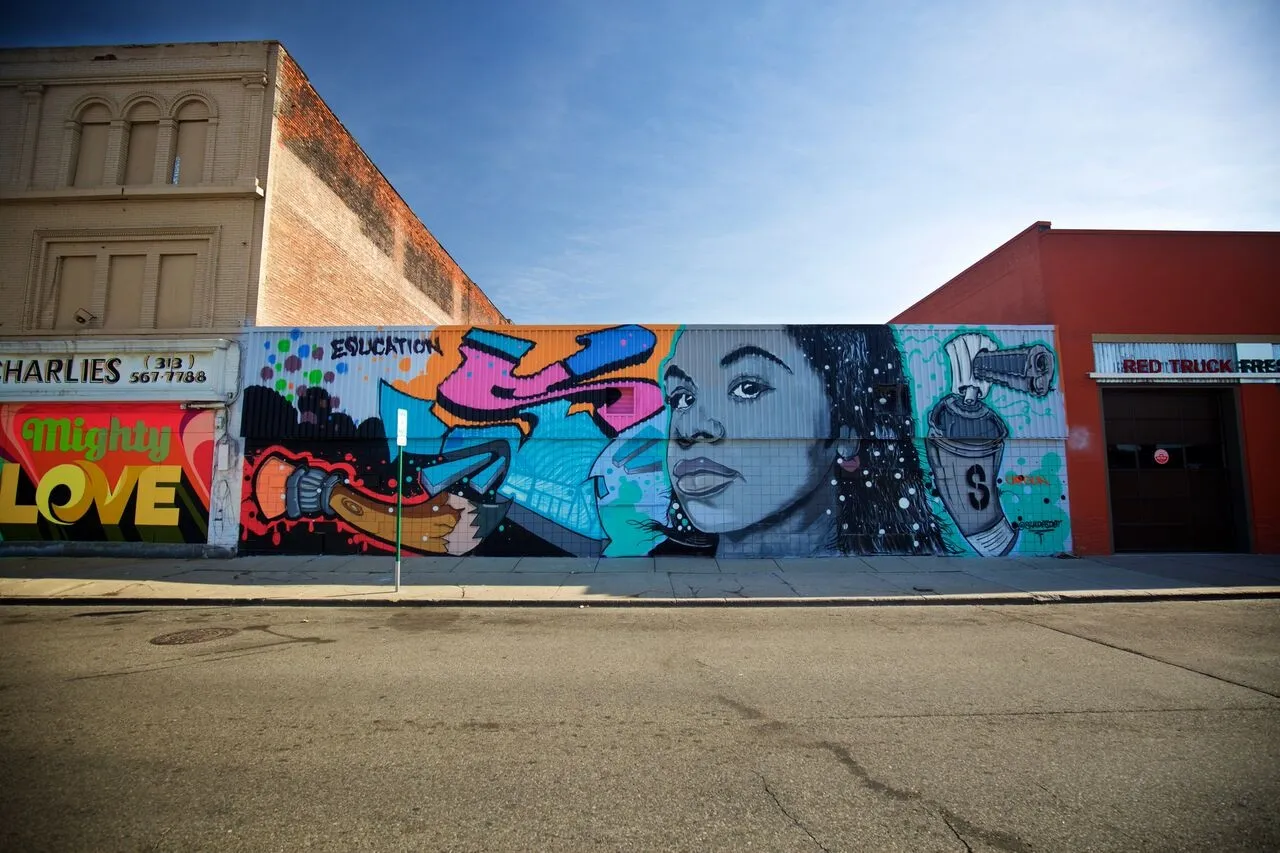
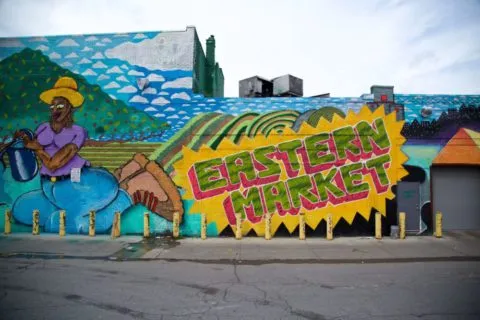
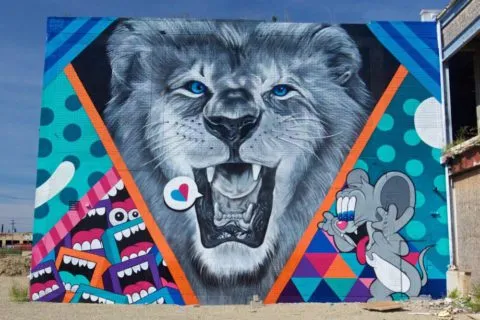
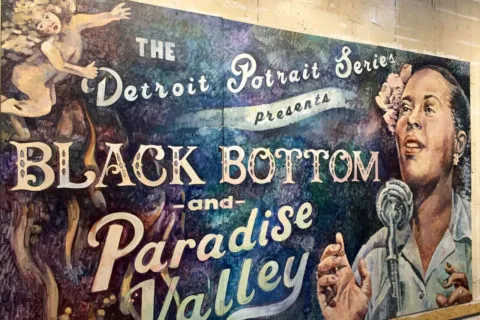
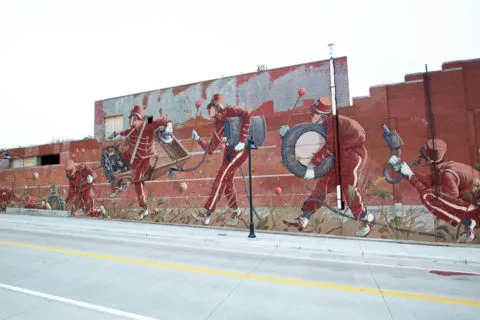
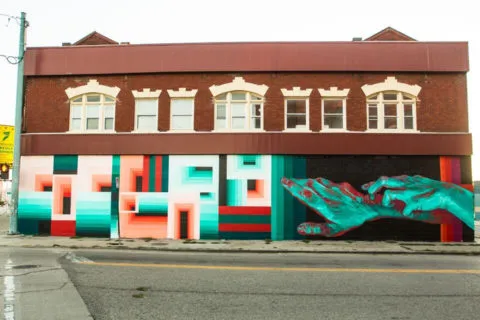
Currently, the city of Detroit is attracting attention as one of the world’s leading “street art” cities, and the number of tourists visiting has increased significantly. At the “Public Art Fest” held in 2015, as many as 90 world-renowned artists created 45 new murals, bringing the total number of street art pieces to over several hundred.
Detroit is, of course, a city synonymous with the “automotive industry.” The mass production technology for automobiles based on the assembly line system, launched by Henry Ford in 1913, brought about a major revolution in industry and transportation.As the hub of the “Big Three” (Ford, GM, and Chrysler), Detroit had a population of 1.85 million at its peak and developed into one of the leading economic centers in the United States.However, beginning in the 1980s, the U.S. automotive industry lost its former momentum due to intensifying technological and price competition with Asian automakers, leading to growing problems such as economic collapse, population decline, and the deterioration of the city center caused by “donutization.”
In its urban redevelopment efforts, the City of Detroit made a bold decision: rather than demolishing the “graffiti” and ruins left behind during the era of decline, it chose to “preserve and revitalize” them.
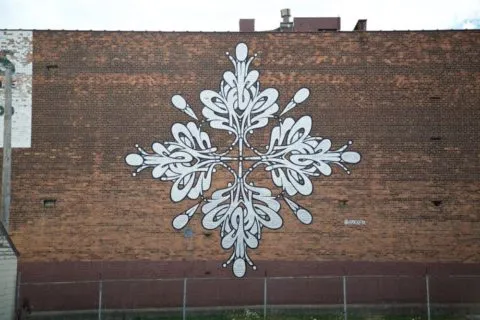
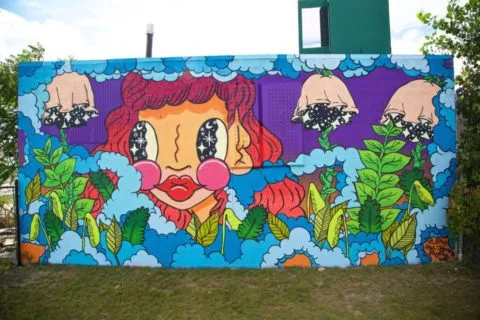
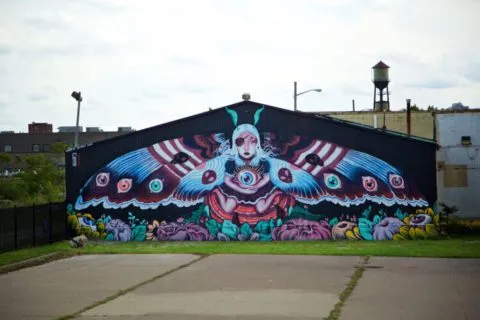
The “graffiti” tells the story of Detroit’s rise and fall, while the ruins have become hubs for entrepreneurs and artists brimming with youthful energy; the walls of these ruins have been transformed into canvases for artwork, creating new tourist attractions.
Detroit’s approach—a prime example of how urban regeneration and tourism promotion can go hand in hand—offers many lessons for Japan as well.
While infrastructure development—such as highways and railways—is certainly necessary, it is unique content that conveys a city’s distinctive history and culture that attracts travelers from around the world.
While “street art” hasn’t yet become a major topic of conversation in many Japanese cities, it may be worth paying attention to in the future as a way to enhance a city’s appeal.


著者













