An Interview with Hidekazu Imatani of the Katachi Research Institute: The Future of Travel Five Years from Now

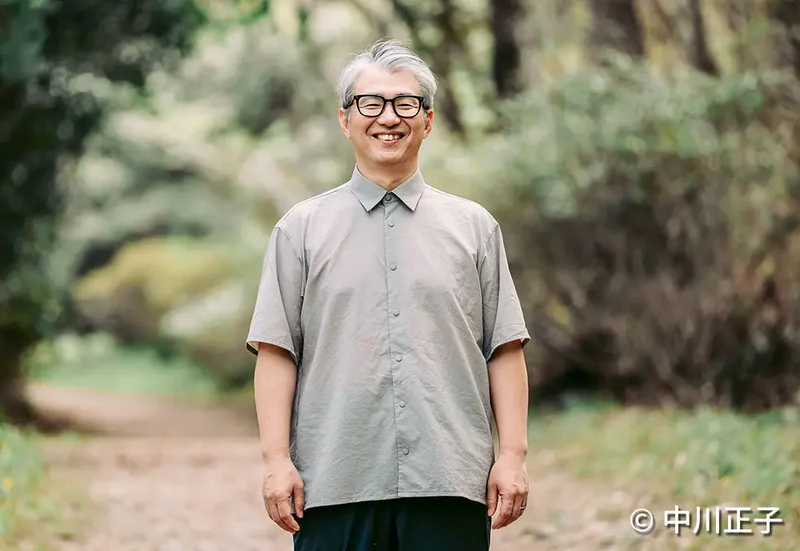
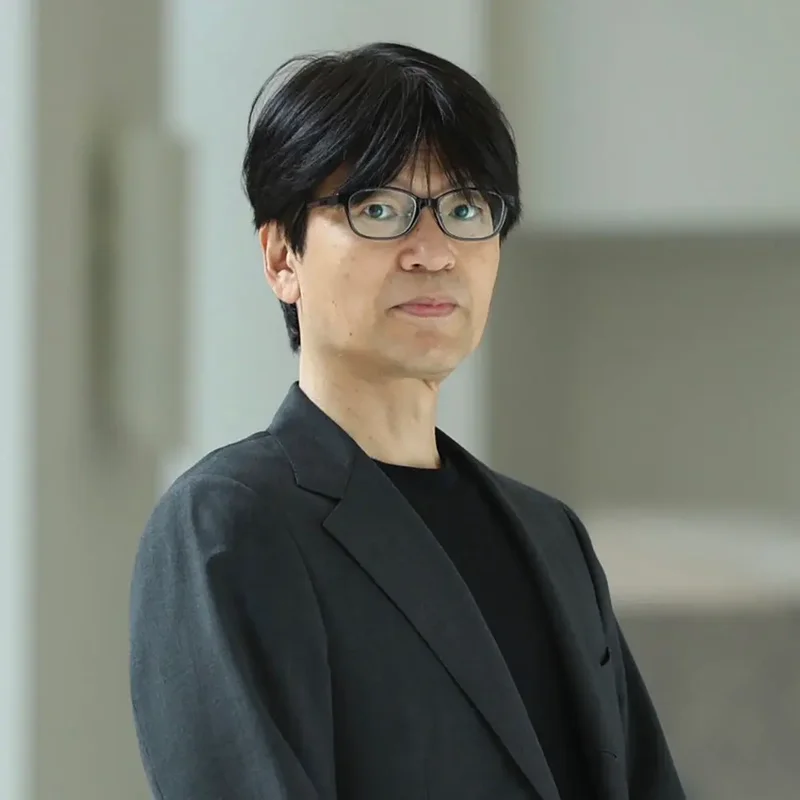
What “gift” would Mr. Imatani—a professional whose work is rooted in a design-oriented approach—give to his future self? In this column, with the aim of identifying future trends in tourism and travel and capturing signs of change (i.e., the seeds of new tourism), we present “exploration reports” (i.e., interview transcripts) featuring leading experts from a wide range of fields, not limited to the travel industry. This time, we spoke with Hidekazu Imatani, former director of the “Future Classics Research Institute” at Daimaru Matsuzakaya Department Store. He has been active across the boundaries of the digital and physical worlds, applying a “design-oriented” approach to projects ranging from commercial space design for the food and beverage industry to digital media strategies during the early days of the internet.
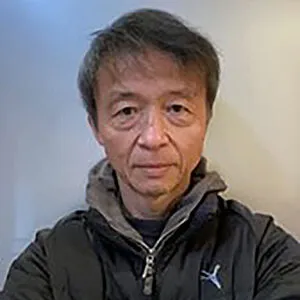
After joining Nomura Kogei Co., Ltd., he worked on commercial space design for the food and beverage industry. He then moved to ITOCHU Corporation, where he worked on residential and shopping center development projects, and subsequently joined Dentsu Inc. as a spatial producer. From the early days of the internet, he was responsible for digital media strategies, including online advertising. After joining Daimaru Matsuzakaya Department Stores, Ltd. in 2015, he proposed the need for a new marketing department and established the “Future Classics Research Institute.” Currently, he runs the planning and design firm “Katachi Research Institute” and operates a shared kitchen within the office.
The internet and the real world are not mutually exclusive; we should think of them as complementary
Explorer Squad: Mr. Imatani, you’ve been active in the field of digital strategy since the early days of the internet. With the internet now a part of our lives, how do you view the value of the “real world” that exists only in that context?
Mr. Imatani: It’s true that in the early days of the internet, I was intrigued by features like “being able to see what you want, when you want.” But now that we’ve come this far, it’s become a necessity—using it is a given. However, the decisive differences still lie in things like texture, smell, and physical space. Even when interacting with people, while you can read facial expressions on a video conference screen, you can’t pick up on subtle nuances like their true feelings. It’s precisely because we’re in the same physical space that we can sense things intuitively, and that’s what makes things exciting.
When buying things online, we often base our decisions solely on specifications like color and shape, or on price. On the other hand, when shopping at physical stores like department stores, the deciding factors can include not only the texture but also the insights shared by sales staff, the faces of the creators, and the historical background behind the product. When you think about it that way, I believe the internet and the real world are meant to be used in combination—it’s not a matter of choosing one over the other.
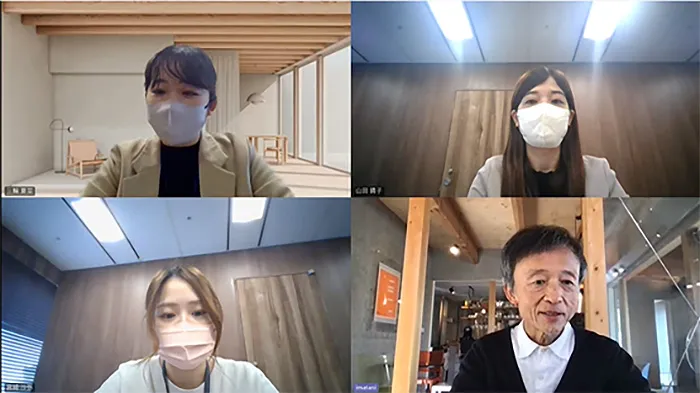
The important thing is to hold onto the things and values you cherish, whether in the real world or the virtual one.
Explorer Squad: After serving as director of the “Future Classics Research Institute” at Daimaru Matsuzakaya, you now have an office in Nara where you’re active in a wider range of fields, including spatial design and renting out part of your office as a shared kitchen. Is there anything you prioritize in your work?
Mr. Imatani: I place great importance on the charm and value of a region, and I advise my clients accordingly. For example, in the case of restaurants, even if prices go up, it’s better to state clearly, “We use only vegetables from Nara.” Price competition only leads to exhaustion. The reason I chose to establish the “Future Classics Research Institute”—Daimaru Matsuzakaya’s marketing division—in Yanesen (*) rather than a newly developed area was precisely because of the history there. The area from Yanaka to Ueno flourished during the Edo period as a temple town surrounding Kan’ei-ji Temple, and Matsuzakaya was the supplier of kimonos to that very temple. I don’t think there’s any other department store that has remained in the same location for over 250 years.
(*) A collective term for the Yanaka, Nezu, and Sendagi areas located in Bunkyo and Taito wards, Tokyo
Explorer Squad: So, are you saying that if we move forward by making the most of what we have—the things and values we cherish most—recognition will naturally follow?
Mr. Imatani: People who appreciate what we do visit us enthusiastically. We don’t necessarily need flashy things.
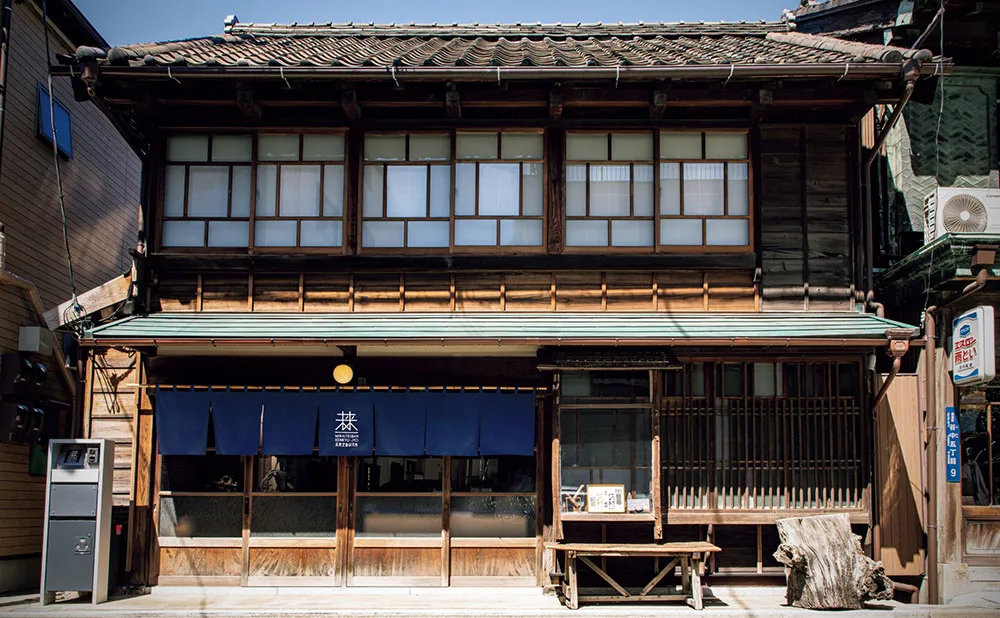

Travel is “a gift to your future self”
Explorer Squad: We’d also like to hear your thoughts on travel. Do you travel often, Mr. Imatani?
Mr. Imatani: Until recently, I used to go to Europe every year, but after the pandemic brought various restrictions, I lost the desire to go… Lately, I’ve been focusing on domestic travel. I often combine it with work, too. It feels like a waste to go all the way to the countryside just for work.
Explorer Squad: More and more people are traveling for work, like with “workations.” What are your personal preferences when it comes to travel?
Mr. Imatani: Well, that’s actually pretty clear: I don’t go to so-called “tourist attractions.” Of course, I don’t mind visiting them if I happen to pass by, but I don’t make them my main destination. Instead, I focus on visiting places and people involved in the kind of craftsmanship that interests me. And I don’t go to the places listed in guidebooks—I go to the kind of spots you only find after zooming in further and further on Google Maps. That’s what I find really interesting.
Also, while enjoying the trip itself, I travel with the idea of building up my own personal “stock”—even if it won’t be immediately useful, I think, “If I remember this, maybe it’ll come in handy someday?”
Explorer Squad: So, you’re saying that if you tuck these things away in a pocket of your heart, they might be useful to your future self in some way…?
Mr. Imatani: It’s not exactly a gift for my future self, but I do hope that someday those dots will connect to form a line. I’m not holding my breath, though (laughs). You could also say I’m going out to stock up on seeds of ideas.
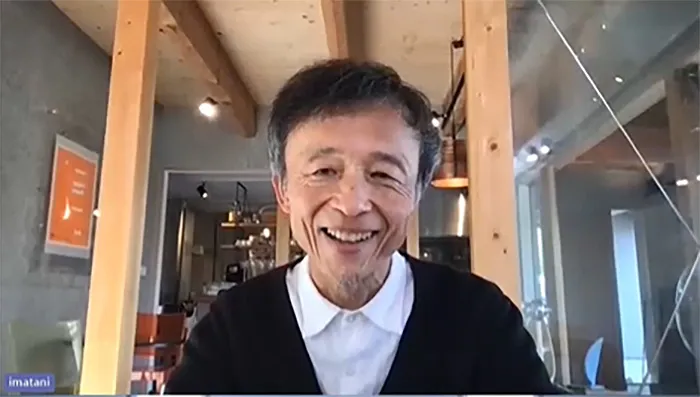
Mr. Imatani: Also, in my case, it’s a trip to “meet people.” I have acquaintances all over the country in communities connected by my hobbies, so if I let them know I’m coming in advance, they’ll tell me about places I didn’t know existed or recommend delicious food. It’s fun just to meet up and chat for an hour or so. Even if I’m traveling alone, meeting an acquaintance at my destination makes the trip feel so much more fulfilling.
Travel that “blends into the city”
Explorer Squad: I get the feeling that the kind of traveler you describe—someone who “meets people” and “doesn’t just go sightseeing”—is becoming more common. Do you think the number of people who travel while valuing their own values will increase?
Mr. Imatani: I think we’ll see more of this experiential style—staying in one place for a while to truly experience the city, traveling as if you were living there. Rather than the lavish, money-spending trips of the bubble era, I believe we’ll see more travel where people blend into the city while focusing on their own hobbies and interests.
Explorer Squad: I imagine you’ve already practiced this kind of travel extensively yourself, Mr. Imaya, but how would you convey the appeal of this type of travel to someone who hasn’t experienced it yet?
Mr. Imatani: That’s a tough one (laughs). When I post travel photos on social media, it seems to look like I’m just having a blast… (laughs) But it’s actually part of my job. Still, lots of people tell me, “That looks like fun!”
Explorer Squad: As you mentioned earlier, perhaps it’s best to focus on the idea of it being a gift to your future self.
Mr. Imatani: Yes, that’s right!
The “Seed” We Found on This Expedition
I feel that the discovery made during this expedition—that “travel is a gift to your future self”—was a crucial insight as we explore what travel will look like five years from now. For example, the refreshment you get from travel is a gift of “vitality” to your future self, and the experiences you gain at your destination are a gift of “experience points.”When you think about how the things you vaguely enjoyed while traveling were actually gifts for your future self, doesn’t that make travel seem wonderful? Next, what kind of ideas can I add to my repertoire…? If you start thinking about your next trip in that way, you might just discover a whole new kind of journey.
著者