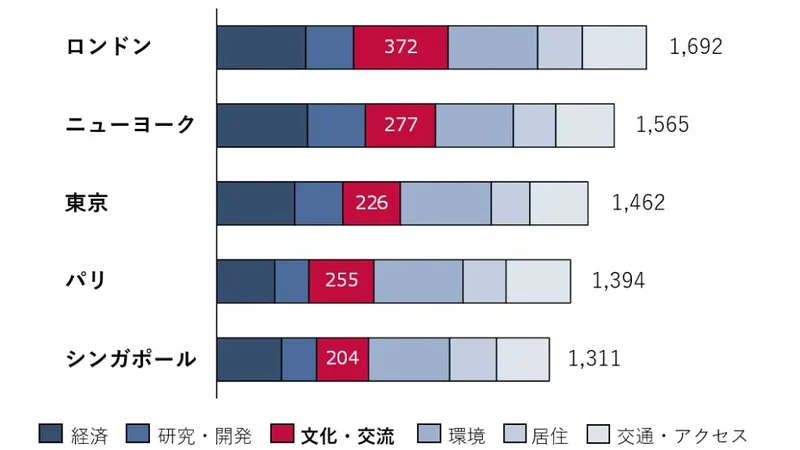
"Culture, Arts, and Tourism Promotion: Leveraging Culture and Arts for Regional Revitalization" from JTB Tourism Research & Consulting's Travel Trends LIVE
On March 17, 2022, we held the “JTB Tourism Research & Consulting Travel Trends LIVE” event, focusing on how culture and the arts can be leveraged to promote tourism and revitalize local communities. We were joined by Professor Taisuke Katayama of the Department of Arts and Culture, Faculty of Cultural Policy, Shizuoka University of Art and Culture, and Rei Maeda of Art Front Gallery Co., Ltd. We have summarized the key points regarding the approaches and challenges involved in promoting culture and the arts.
1. Introduction: The Relationship Between Cultural Resources and Tourism
Currently, tourism that leverages cultural resources is attracting significant attention. The main factors driving this trend include the fact that culture is nurtured by the unique natural environment and history of each region, allowing visitors to experience a sense of local identity; and the fact that, due to the diversification of values and the advancement of international exchange, cultural resources that were previously overlooked can now become tourist attractions. The national government has also begun to support the use of cultural resources for tourism. Regarding the promotion of cultural tourism, various initiatives are being implemented based on the conclusion of the “Comprehensive Partnership Agreement between the Japan Sports Agency, the Agency for Cultural Affairs, and the Japan Tourism Agency” in March 2016, and the enforcement of the “Act on the Promotion of Cultural Tourism in Regions Centered on Cultural Tourism Hub Facilities (Cultural Tourism Promotion Act)” in May 2020.
Various initiatives are also being implemented in the fields of culture and the arts, and there are high expectations that promoting culture and the arts will lead to tourism promotion and regional revitalization. However, actually engaging in culture and the arts—which involve a diverse range of stakeholders—is no easy task, and there are various challenges ranging from content to operational aspects. We held a discussion with experts in the fields of culture and the arts to explore how to promote culture and the arts and link them to tourism promotion and regional revitalization (including resident participation, industrial promotion, and economic benefits).
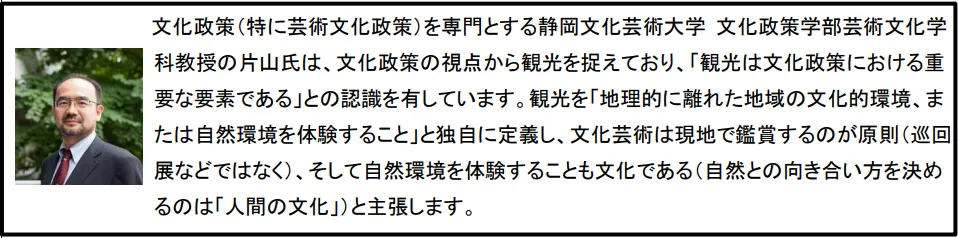
2. Establishing the Foundation for the Culture and Arts Industry, Essential for the Development of Cultural Tourism (Taisuke Katayama)
(1) The Fundamental Role of Cultural Policy
Just as the tourism sector has the “Basic Act on the Promotion of a Tourism-Oriented Nation” (a comprehensive revision of the “Basic Act on Tourism” enacted in 1963, which came into effect in January 2007), the arts and culture sector has the “Basic Act on Arts and Culture” (a 2017 revision of the “Basic Act on the Promotion of Arts and Culture” enacted in 2001), which serves as the foundation for cultural policy. Generally, culture and the arts are viewed as “private pleasures.” In that sense, it is sufficient for those who enjoy them to pay for and enjoy what they like, and there is no need for the government to interfere. On the other hand, it is also said that “culture and the arts are inherent rights (human rights) of the people,” and this is explicitly stated in the Basic Act on Culture and the Arts (Article 2, Paragraph 3). Consequently, this imposes significant responsibilities on the national government and local governments.
Another aspect as important as cultural rights is the role of culture and the arts as a public good (public asset). The preamble to the Basic Act on Culture and the Arts refers to three public benefits: “creativity and expressiveness,” “a society of coexistence and world peace,” and “the formation of identity.” In other words, culture and the arts serve not only to provide benefits through private enjoyment as entertainment for individuals, but also to contribute to the well-being of the general public. Furthermore, cultural policy requires not only support for culture and the arts but also “organic” coordination with policies in other fields, such as tourism (Article 2, Paragraph 10 of the Basic Act on Culture and the Arts). Based on the above, the national government has the responsibility to comprehensively formulate and implement measures related to culture and the arts in accordance with the basic principles, while local governments have the responsibility to formulate and implement measures tailored to the characteristics of their regions in an autonomous and proactive manner, in coordination with the national government and in accordance with the basic principles.
(2) The Significance of Tourism for Cultural Policy
Tourism plays a very important role in realizing the three public benefits (public goods) mentioned above. On the other hand, when considering the “guarantee of cultural rights” from a tourism perspective, rather than providing performances, exhibitions, and the like solely to local residents, welcoming people from foreign countries and other regions as tourists (thereby guaranteeing cultural rights) expands the demand for culture-related goods and services, leading to greater variety on the supply side as well. As a result, economies of scale lead to lower prices, and qualitative improvements are also expected through research and development and the accumulation of experience. This expansion of opportunities for residents to enjoy culture contributes to the guarantee of cultural rights.
(3) Current Status and Challenges of Cultural and Tourism Policies
While Japan’s cultural policies face various challenges, the most serious issue is the fragility of the cultural and arts industries—which are responsible for safeguarding cultural rights and realizing the public good. In other words, these industries have not yet become sectors capable of providing sufficient employment and income. For many years, attention focused solely on the demand side of culture and the arts—as leisure activities—while measures to strengthen the supply side were lacking. The fact that cultural policy in local governments was long under the jurisdiction of boards of education may also be one reason why awareness of culture and the arts as an industry or profession was weak.
However, the cultural and arts industry—including theaters, museums, and festival organizing committees—has the potential to serve as a venue for the very talent most lacking in regional areas struggling with population outflow: young people, women, highly educated individuals (particularly those with liberal arts backgrounds), and professionals.
On the other hand, Japan’s tourism policy can be described as one that focuses primarily on “tourism support industries,” such as transportation and lodging. However, this alone is insufficient; a key challenge is that Japan’s tourism policy lacks a perspective on “tourism destination industries,” including culture and the natural environment.
(4) Future Direction
The direction we should aim for in the development of cultural tourism is “sustainable and growth-oriented cultural tourism.” It is necessary to balance domestic demand (residents) with external demand (tourists) to promote the growth of regional cultural and arts industries (both nonprofit and for-profit), and it is crucial to nurture culture and the arts as opportunities to generate employment and income for talented individuals. If individuals capable of creating and disseminating high-quality culture and the arts, as well as those skilled in organizational management and marketing, lead the way in promoting high-quality cultural content, this will lead to an expansion of repeat visitors who understand and are captivated by the region’s culture. This, in turn, will contribute to maintaining and expanding demand for tourism-supporting industries such as transportation and lodging.
3. Art Opens Up Regions: Focusing on the Case of the “Boso Satoyama Art Festival: Ichihara Art x Mix” (Mr. Rei Maeda)

(1) The Role of the “Echigo-Tsumari Art Triennale” and Regional Art Festivals
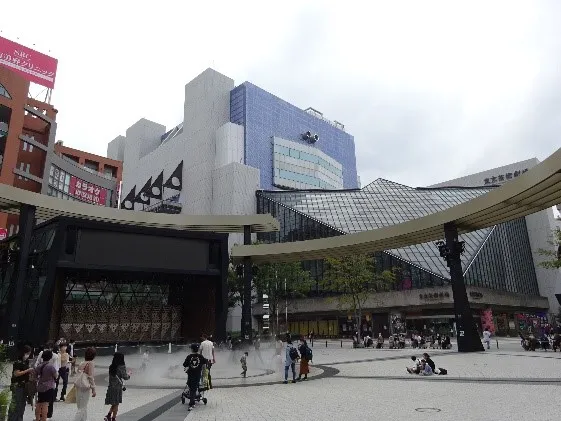
The “Echigo-Tsumari Art Triennale,” a pioneer among regional art festivals, was conceived in 1996 as part of Niigata Prefecture’s municipal merger policy and launched in 2000. The Echigo-Tsumari region faces a crisis where the way of life and culture passed down through generations are collapsing due to factors such as the outflow of the workforce, depopulation and aging, and shifts in national agricultural policy.At the same time, however, the region still richly preserves Japan’s original landscape—the satoyama—nurtured through agriculture over 1,500 years. The project was launched based on the fundamental philosophy that “humans are encompassed by nature,” driven by the belief that the way of life of the people of Echigo-Tsumari—who have lived in harmony with nature and natural disasters—holds the potential to transform modern paradigms in an era of global environmental crisis. As for why art was chosen, it is primarily because art possesses the power to discover a place. Artists from around the world discover the diverse charms of the region and unearth its potential. The art created there generates not only the impact of the works themselves but also a ripple effect that draws in various people and elements through the creative process, engagement with the local community, collaboration with supporters, and management. This allows the art to permeate the region more deeply and society more broadly. Furthermore, art that utilizes local resources—such as farmland, abandoned schools, and vacant houses—brings the region’s value to light.
To realize the artist’s vision and publicly exhibit and manage the artwork, the consent of local residents is required, leading to learning and exchange. With art as their guide, visitors explore the satoyama landscape, open their senses, interact with local people, and learn about the region’s way of life and history. Meanwhile, the local residents regain their pride and confidence as their community is celebrated and their ancestral way of life is recognized as meaningful. New dishes featuring local ingredients are developed, and visitors are warmly welcomed by local mothers. In short, the art festival is not merely an event; it acts as a catalyst to generate industries and employment—such as tours, food, and merchandise—and to foster new forms of engagement, including that of supporters. In this area, which had virtually no tourist facilities, the creation of a sustainable new form of travel that revitalized dormant local resources through art became the catalyst for the subsequent spread of community-based art festivals across the country.
(2) Overview and Trends of Other Art Festivals, Including the Setouchi International Art Festival
The Setouchi International Art Festival was inspired in part by Soichiro Fukutake, who had been the director of Benesse Art Site Naoshima. After visiting the “2nd Echigo-Tsumari Art Triennale,” he was deeply impressed by its philosophy and initiatives. He concluded, “The revitalization of the Setouchi region cannot be achieved by focusing on a single island; we must connect multiple islands and collaborate with local governments. ”As modernization progressed in the Seto Inland Sea, travel between islands ceased, agriculture, fisheries, and forestry declined, and the islands’ unique identities were gradually lost. Thus, with the Seto Inland Sea as its stage and the slogan “Restoring the Sea,” the Setouchi International Art Festival launched in 2010 with the aim of bringing smiles to the faces of the elderly. People crossed the sea to discover the joy and delight of encountering the islands’ nature, culture, and way of life, and the islanders—especially the elderly—gained new vitality. Furthermore, in 2017, the “Oku-Noto International Art Festival,” billed as the “Art Festival at the End of the World,” began in Suzu City, Ishikawa Prefecture, at the tip of the Noto Peninsula, and the “Northern Alps International Art Festival” started in Omachi City, Nagano Prefecture, that same year. Although the second editions of these festivals were postponed due to the COVID-19 pandemic, they were all held last year.
These regional art festivals are spreading not only within Japan but also to Asia and Europe. In China, where the gap between urban and rural areas is a major issue, plans are underway to hold the “Earth Art Festival” under the same name in multiple regions. Furthermore, the World Bank is planning a pilot project in Sri Lanka with the aim of applying the methodology of art festivals to developing countries.
(3) Concept, Overview, and Future Developments of the “Boso Satoyama Art Festival: Ichihara Art x Mix”
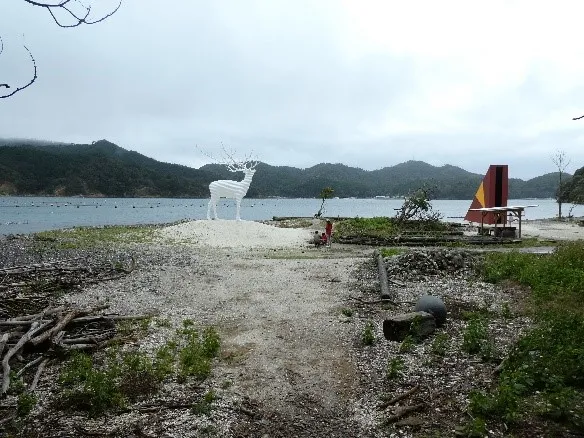
“Ichihara Art x Mix” began in 2014. What sets this festival apart from others is that it was held within the Tokyo metropolitan area. Ichihara City is a municipality located in central Chiba Prefecture. While its southern region is a satoyama area with expansive fields and farmland, it is a microcosm of Japan, where depopulation has led to the consolidation of elementary and junior high schools and the decline of old shopping districts. This art festival was conceived with the primary goal of revitalizing the southern region, which is facing an aging population. By using closed elementary and junior high schools as community hubs and combining art with theater, performance, sports, and food, the festival aims to energize the region and create an oasis within the Tokyo metropolitan area. Its catchphrase is “If the weather’s nice, let’s go to Ichihara!” For the third edition held in 2021, the organizers aimed to move beyond a triennial event and instead establish a foundation for ongoing community development through art. The Kominato Railway served as the central axis of this effort. Art installations were displayed at 17 of the railway’s 18 stations—from Goi Station to Yoro Keikoku Station—with the festival’s core concept being to draw visitors from these stations to areas where artworks were concentrated, such as schools, daycare centers, and shopping districts. Although publicity efforts were not fully in place at the start of the event, word of mouth gradually spread, primarily through social media, and as a result, the festival attracted 110,000 visitors over its 29-day run. The next Art x Mix is scheduled for next year, and I hope you will keep an eye on how this initiative develops into sustainable tourism that leverages local resources, alongside this year’s Setouchi International Art Festival and the Echigo-Tsumari Art Triennale.
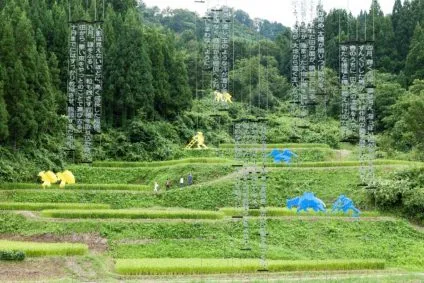
(Photo: Osamu Nakamura) (Tokamachi City, Niigata Prefecture) /
Photo courtesy of Art Front Gallery Co., Ltd.
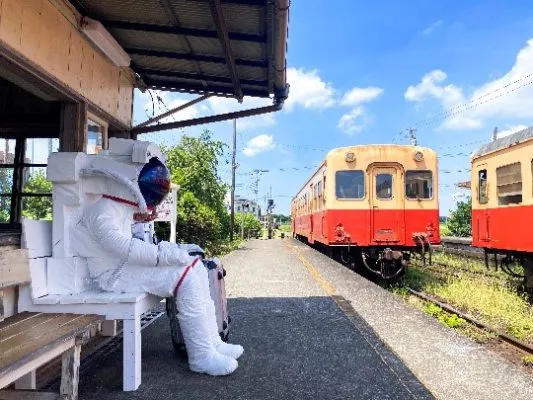
“Journey in Search of Seven Moons: Second Station—Mr
. Murakami’s Last Flight, or Waiting for the Train to the Moon,” 2021
(Ichihara City, Chiba Prefecture) / Photo courtesy of Art Front Gallery Co., Ltd.
4. Panel Discussion—How to Link Culture and the Arts to Regional Revitalization and Tourism Promotion
The panel discussion addressed the following three topics:
Discussion Topic 1: The Nature of Culture and the Arts
It is often said that Japanese culture and the arts are less appealing compared to those overseas. When asked about the weaknesses of Japanese culture and the arts and what is needed to improve them, Mr. Katayama pointed out, “In a nutshell, the creators and organizations are weak, and especially in regional areas, there is a lack of proper local production. “In particular, in regions that simply import content and act as mere venues, this will never become a source of cultural appeal for the region, so it is very important to properly develop content locally,” he pointed out. Mr. Maeda noted, “‘Culture and the arts’ are not limited to Western imports like opera and concerts; elements of everyday life—such as gardens, ikebana, and cuisine—are also forms of art, so they have the potential to be attractive in any region. Japan’s satoyama and satoumi landscapes are extremely appealing to people from overseas; in particular, 30% of visitors to the Setouchi International Art Festival are from abroad, and many of the supporters who sustain the festival are also from overseas.”
Discussion Theme 2: Funding and Costs
“It is often said that culture and the arts are expensive.” This is likely due to personnel costs associated with involving many people, as well as travel and transportation expenses related to inviting artists from overseas. As a result, self-sustaining operations become difficult, leading to a perception that these events tend to rely heavily on subsidies. When asked about the challenges and strategies for securing funding, Mr. Maeda stated, “Initially, many people opposed using tax money for art and the arts, but eventually even those people began to look forward to the art festival. As for funding, local government budgets are becoming tighter every year, so the proportion covered by grants and national subsidies is increasing. But is it really that expensive compared to other projects?Considering the economic impact brought by travelers, I don’t think the costs for the artworks and such can be called high.” While pointing out the benefits of the festival, he also emphasized the importance of self-reliance, stating, “National grants and subsidies are, of course, important, and we do our best to secure them wherever possible, but we recognize that ticket (pass) revenue is crucial, and selling tickets to grow our fan base is also a cornerstone of self-sustaining operations.”Mr. Katayama stated, “First and foremost, we need to clearly distinguish between for-profit and non-profit entities. In the for-profit show business sector, the question is how much profit can be generated from an investment, so we must turn a profit based on business revenue, ticket sales, and sponsorship budgets in order to pay dividends.However, since many theaters, museums, and festivals in both Japan and the West operate on a non-profit basis, it is difficult to cover all costs through for-profit means (such as business revenue), and doing so would leave some people behind."When operating for public benefit, financing must come from sources other than operational revenue," he pointed out, adding, "Management must be able to clearly explain this importance, and it is crucial to establish a solid portfolio that ensures the sustainability of government and local subsidies, corporate and individual donations, and membership fees by fulfilling accountability.Organizers in Europe and the U.S. clearly explain this point, and in fact, the proportion of grant revenue is overwhelmingly higher for festivals and theaters in Europe and America.” It is important to clarify that public subsidies are not provided simply because management has failed and resulted in a deficit, but rather to ensure that public funds are allocated to support public interest.
Discussion Topic 3: Regional Revitalization and Tourism Promotion through Culture and the Arts
While culture and the arts are important elements for tourism, when it comes to actually utilizing them for tourism, it seems that local communities often struggle with questions such as, “What should we do?” and “How should we go about it?” Specifically, it appears that facility development, securing residents’ understanding and participation, and collaboration with other industries are necessary, and there is also a need to disseminate information to raise awareness. When asked about the steps to take to achieve regional revitalization and tourism promotion, as well as effective methods for disseminating information, Mr. Katayama stated: “First and foremost, we need communication that secures repeat visitors. When people who visit come to know the region’s appeal, they become repeat visitors; then, those visitors become influencers who bring others along. Building such relationships is crucial.Japan is weak in this kind of marketing, but since there are events like the Setouchi International Art Festival that attract visitors from all over the world, I believe there is ample potential to secure repeat visitors if we communicate effectively. We should make greater use of marketing personnel who are skilled in communication.” Mr. Maeda added,“We also recognize the importance of building a base of repeat visitors. Both the Setouchi International Art Festival and the Daichi Art Festival have very high repeat visit rates. While people initially visit for the art, interacting with local residents and experiencing the local cuisine fosters a sense of attachment to the region, resulting in them becoming repeat visitors. How we create connections between visitors and the region is crucial, and I believe that having local residents serve as intermediaries—rather than us acting as the link—contributes more effectively to promoting tourism in that region.”
Through this discussion, I was once again struck by the importance of two points: “To effectively utilize culture and the arts in a region, it is necessary to start with a solid conceptual foundation,” and “Since it takes many years for art and culture to permeate a region, initiatives based on a long-term perspective are essential.” I sincerely hope that culture and the arts will become even more appealing in the future, and that as exchanges deepen, the region will become more vibrant and revitalized.