Enjoy a relaxing stay in an environment that feels closer to nature

In Europe, royal palaces and castles built primarily of stone by the rulers of the time are famous, but in Asia—including Japan—buildings made of wood have been the norm, and people have lived in harmony with nature since ancient times. (Ed)
Since ancient times, Europe has influenced the world in various fields, including social ethics, philosophy, science, and technology. The royal palaces and castles built by the rulers of the time, primarily using “stone,” are particularly famous. In contrast, in Asia—including Japan—people have lived in harmony with nature in buildings constructed from “wood. ”Architecture is vital to our daily lives and the shaping of civilization. Looking back at history, the invention of concrete represents a major turning point in architecture. With the advent of concrete, the number of structures built with stone or wood declined, and inorganic concrete buildings became the norm. Recently, the emergence of 3D printers is poised to rewrite the history of concrete architecture, but I will save that discussion for another time.
The use of concrete has made it possible to construct high-rise buildings with excellent thermal insulation, soundproofing, and fire resistance, and it has been widely used in offices and apartment buildings. However, due to changes in lifestyle over the past decade or so, we have come to desire a healthier and more environmentally friendly way of life. An increasing number of newly constructed buildings are using environmentally conscious materials and incorporating designs that allow us to feel more connected to nature in our daily lives. For example, Cross-Laminated Timber (CLT)—a material developed in Europe that offers superior strength, thermal insulation, and soundproofing, and is easy to process—is gaining popularity in various countries, including Switzerland, Australia, Germany, and Canada. Last year, the first hotel using CLT was built in the United States, and in London, the construction of the 300-meter-tall Oakwood Tower was announced. In the future, we can expect to see an increase in such eco-friendly wooden buildings worldwide.
Japan is already known as a country with advanced construction technology capable of building earthquake-resistant structures in a short timeframe. If deregulation and other measures make it possible to construct high-rise buildings using wood, Japan is expected to become a world leader in high-rise timber construction.
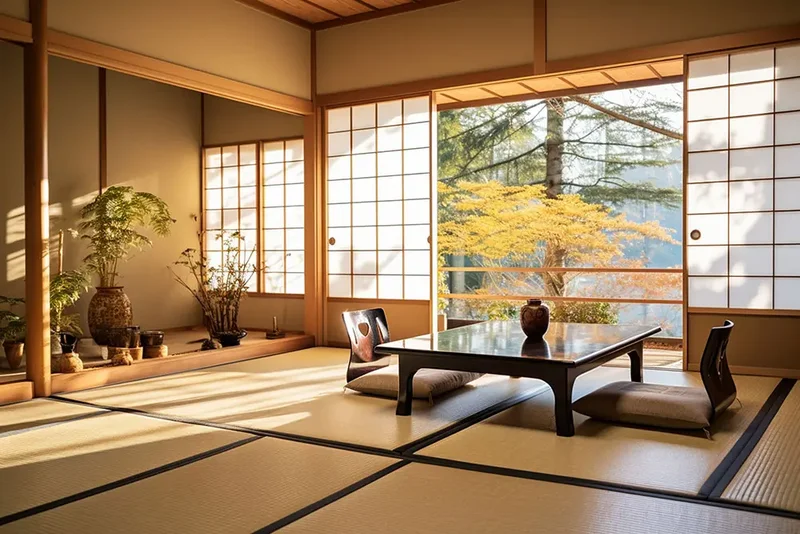
The beauty of nature and scenic landscapes are key factors for travelers when deciding which country to visit. While Japan’s regions boast abundant natural beauty, facilities such as hotels that make extensive use of wood are expected to have a significant positive impact on urban tourism. They can enhance a city’s brand image as environmentally conscious and enable guests to enjoy a relaxing stay in an environment closer to nature.
著者