An Interview with Takashi Fukuchi of Stride Co., Ltd.: What Travel Will Look Like in Five Years
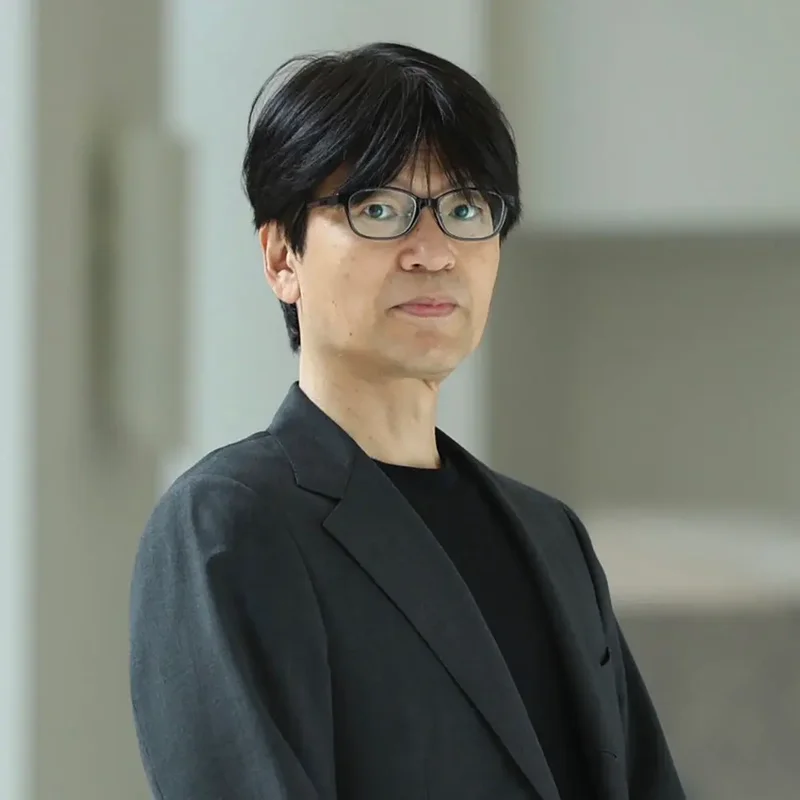
In this column, with the aim of identifying future trends in tourism and travel and spotting signs of change (i.e., the seeds of new tourism), we bring you "expedition logs" (accounts of our interviews) with leading figures from a wide range of fields beyond just travel. In this installment, we spoke with Mr. Takashi Fukuchi of Stride Co., Ltd., which champions "health from the ground up" and operates the running specialty store "STRIDE LAB."
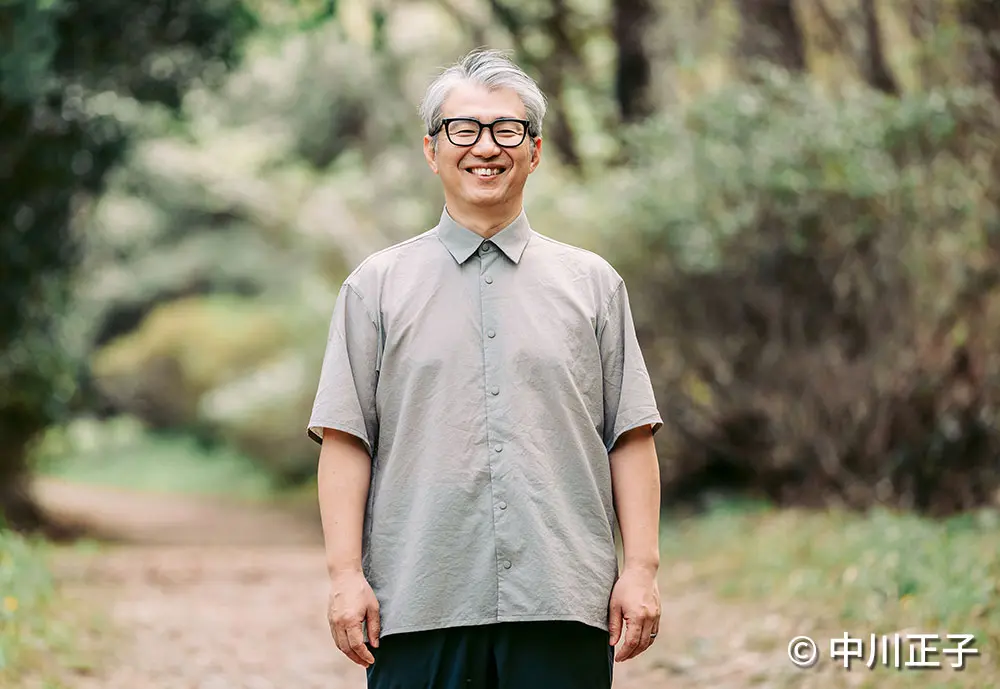
He majored in exercise physiology at a university in the United States. Through a hospital internship, he acquired physiological approaches such as VO2 max measurement using expired gas analysis and respiratory quotient measurement. In 2010, while living in the U.S., he met the founding members of the shoe brand "ALTRA" and joined the brand. He began sales in Japan in 2012. In 2016, he founded Stride Co., Ltd. As the STRIDE Group, he has expanded "STRIDE LAB" both in Japan and abroad. Beyond shoes, he offers approaches to health from various angles, including corporate consulting, original shoe development, and the development of nutrition and fueling products.
What I Gained Precisely Because I Dove In Without Overthinking
Explorer Squad: Please tell us about Stride Co., Ltd.
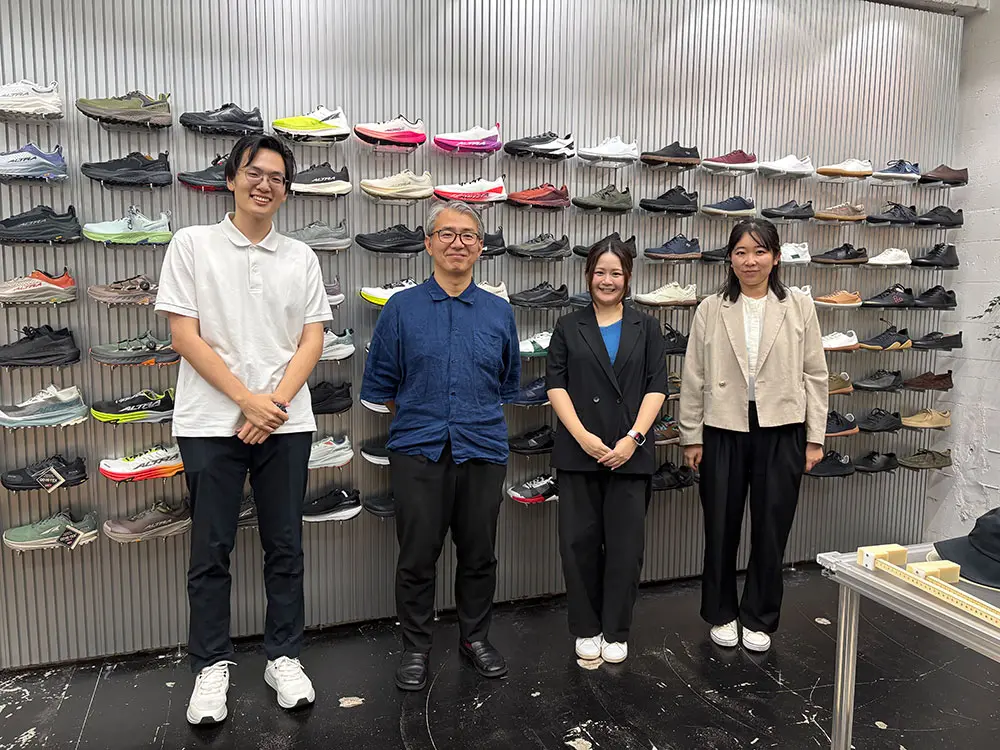
Mr. Fukuchi: Stride Co., Ltd. took its current form late last year when two companies merged. Originally, we started with the import and sale of overseas products, and about ten years ago we entered the retail business. Today, we operate around 22 stores in Japan and abroad, as well as a subsidiary engaged in foot conditioning. My main role is launching new businesses and negotiating with overseas brands.
Explorer Squad: We hear that after graduating from high school, you moved to the U.S. and studied exercise physiology at university. What kind of field is exercise physiology?
Mr. Fukuchi: EExercise physiology is the study of how the body responds to external factors. It relates to various fields such as nutrition and kinesiology. For example, when you eat something, the nutrients themselves are a topic for nutrition, but how the body responds—hormones, metabolism, and so on—is the domain of exercise physiology. I studied things like how fat intake and metabolism relate to athletic performance, thinking about how to translate that into improved performance for athletes.
Explorer Squad: Exercise physiology covers a truly wide range of areas. What made you interested in it in the first place?
Mr. Fukuchi: In high school I was on the baseball team, aiming to go pro, but I fell far short. I had done nothing but sports up to that point, so I figured I might as well study sports. At the time, I felt Japan lagged behind in sports as an academic field, so I decided to go to America. That said, I couldn't speak English at all—I couldn't even order a coffee. Looking back, neither moving to the U.S. nor deciding to study sports and exercise physiology were things I decided after deep deliberation. I just didn't think it would be all that difficult. (laughs)
Once I began studying what I loved at university, I practically lived in the library, studying all the time. Since I couldn't speak English, I first earned a degree in intercultural communication, and then went on to earn degrees in specialized fields like exercise physiology. After every class, I would go to the professor to have them explain again anything I hadn't understood. As the material grew more advanced in the higher years, I also got support from graduate-student tutors. Back when I did nothing but baseball in high school, I had actually longed for the very act of "studying in a library," so studying was never a burden for me. (laughs)
“Community Building”—Essential to "Making Every Step a Healthy One"
Explorer Squad: Looking at your current business, it seems that beyond dealing in "goods" through retail and wholesale, you put real effort into "experiences" such as events and community building.
Mr. Fukuchi: Stride Co., Ltd.'s purpose is "making every step a healthy one." The company name "Stride" means "the length of a step," and it carries our wish to spread the value of walking and running. When we consider what we can do to realize that purpose, acquiring exercise habits is very important for health. And among the ways to do that, community building is a major hub that gives people the chance to start exercising and to keep it up.
Explorer Squad: Do you have a specific experience that made you feel the importance of community?
Mr. Fukuchi: My time in America was a big influence. In the U.S., there are many running specialty stores called "run specialty shops." Japan has universal health insurance, but the U.S. doesn't, so people are highly conscious of keeping medical costs down. For example, if your knee starts to hurt from running, rather than heading straight to a hospital, you might consult a run specialty shop. Many of them have running specialists who have studied physiology and kinesiology, so you can get sound advice. Some stores also have an attached café, so even people without a strong interest in running can drop by casually. In this way, a community centered on running specialty stores forms, where people gather regularly, and I wondered whether we could recreate that kind of structure in Japan.
Explorer Squad: You've opened stores all over the country. Is your community-rooted approach to opening stores also connected to this idea of community building?
Mr. Fukuchi: Yes. I believe that if a store is in your local area, the psychological hurdle to joining its community goes down. For example, even someone who finds it hard to join the community of a flashy, stylish store in Shibuya might find it a little easier—the hurdle lowers—if the store sits within a familiar local atmosphere. (laughs) People who can participate proactively join communities on their own and keep exercising, but this doesn't lead to exercise habits for passive people who only start because someone invited them. As I mentioned earlier, our purpose is "making every step a healthy one." We need to increase not the people who can join a community proactively, but rather those who join passively. That's why it's meaningful to properly set up a store in the community and build a community rooted in that locality.
Walking Enhances Health and Creativity
Explorer Squad: To begin with, what value do you think there is in the very act of walking, or of moving itself?
Mr. Fukuchi: In terms of exercise physiology, there is significance in doing light exercise itself. People produce energy using fats and carbohydrates, and the ratio varies from person to person depending on diet and exercise habits. When you start light exercise, fat metabolism rises, and lactic acid and ketone bodies are also used as energy for the brain. Oxygen supply to the brain increases, and performance is thought to improve. On the other hand, when exercise intensity rises and carbohydrate metabolism becomes dominant, complex thinking becomes harder. This is one reason it's said that walking meetings have the effect of boosting productivity and creativity.
Explorer Squad: So it's important to keep doing "light" exercise and make it a habit. That hits close to home... (laughs) One could also exercise on a treadmill at the gym, but do you think there's a distinct value in walking outdoors?
Mr. Fukuchi: There is. Walking outside is a good change of pace. Also, when two people walk while talking, for example, they face the same direction, so they don't need to keep making eye contact. In that it lets you talk while easing psychological tension, holding a meeting while walking outdoors makes good sense. On a treadmill, between the noise of the machine and the matter of distance, I think conversation is difficult. (laughs)
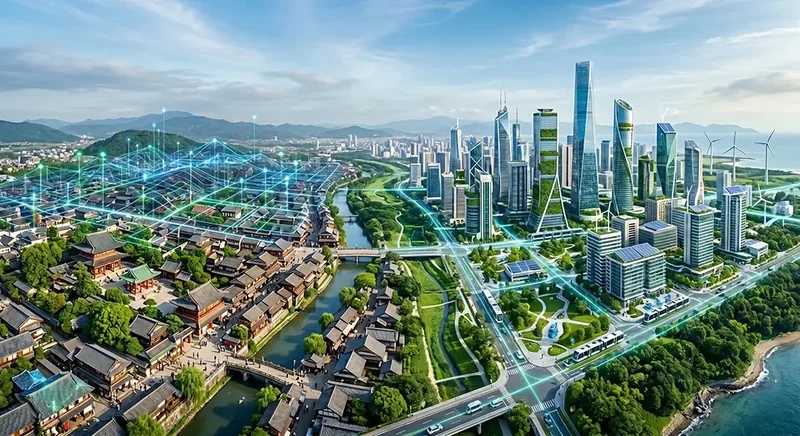
What's more, cities that are easy to walk and run in energize the economy. There is research showing that in overseas cases that implemented a walkable city (*1), sales in the city center rose. Cities with high walkability scores are also said to have higher land prices. In other words, walkability matters not only for health but for the economy as well.
(*1) A walkable city: a city where anyone can move about safely on foot. Beyond simply being easy to walk, it is an urban-development concept that restructures city spaces—once centered on automobiles—to be centered on people, so that walking gives rise to interaction and diverse activities among people.
Explorer Squad: It's surprising that walkable cities also energize the economy. Are a city that is easy to walk in and a city that makes you want to walk the same thing?
Mr. Fukuchi: It depends on the purpose. If the aim is running, fewer obstacles and fewer places to linger are better. On the other hand, to get people to enjoy walking itself, you need places to stop along the way and a sense of liveliness. That said, in either case, the premise is creating an environment where you can walk safely without letting cars in.
"Travel with Physicality," Sought Precisely Because of the AI Era
Explorer Squad: Do you yourself travel often, Mr. Fukuchi?
Mr. Fukuchi: I haven't been able to take a pure vacation in years. No matter which country I go to, I end up turning it into work... (laughs) When I can find private time on a business trip, I visit art museums or take lessons locally. Training, photography, cooking—I learn whatever I'm interested in at the time. Running a company, I have many chances to speak in public, and it's output-centered, so sometimes I feel empty inside. Learning while traveling is a good opportunity to restore the balance between output and input.
Explorer Squad: Let me ask you directly. What do you think travel will look like five years from now?
Mr. Fukuchi: Thinking from my own area of expertise, I believe travel that involves moving for the sake of events like the Tokyo Marathon or races in various regions will draw even more attention. I too used to look up whether there were races at my business-trip or travel destinations and take part. Precisely because we live in an era when you can instantly create a travel plan with AI, I feel experiences with physicality and spirituality will be sought after all the more.
Explorer Squad: What specifically do you mean by an experience with physicality?
Mr. Fukuchi: If it's just about seeing something, there's more and more that can be done sufficiently in virtual form. Rather than that, actually going to a place and feeling the cobblestones of the streets under your feet—that kind of experience stays with you more. So I think getting to know a city by walking it will become more important. Japan in particular is very rich in "nature" as a tourism asset, so experiences you can only get on-site will be sought after even more from now on. It may become that unless your purpose is clear—not "I kind of want to go to New York" but "what I want to do in New York"—people won't bother going in person. What is it that can't be replaced by virtual means and can only be done by going on-site? I think the purposes of travel will become more segmented and more clearly defined. Regions, too, need to specifically communicate what can be done in their area, such as mountains and races.
Explorer Squad: What kind of experience do you think you could create, Mr. Fukuchi?
Mr. Fukuchi: For example, an experience aimed at restoring the mind and body, like a retreat. I think plans where, during your stay, you join the local community and move your body with a purpose would be conceivable. Not only for domestic customers but also for inbound travelers—for instance, if you're staying for four weeks, you could set an event or race four weeks out as a goal and walk and run together with everyone. Eating and living healthily is something you can do precisely because you belong to the local community. Also, since we work on "health from the ground up," I think that by wearing shoes that are easy to walk in and walking the city, we can also prompt new discoveries.
There's an English expression, "Use it or lose it." It means that what you don't use is lost. You become unable to walk because you don't walk. If we create environments where we don't have to walk, people will become even less able to walk. So I think there could be an approach that builds cities on the premise that people can walk in the first place. I believe that keeping the body healthy also leads to solving challenges for society as a whole, and I want to keep working broadly to realize our purpose.
The "Bud" We Found on This Expedition
The "Bud" we found this time is a future where people, regions, and travel connect, starting from "walking." Community supports exercise habits, and walking itself enhances health and creativity. Precisely because we live in the AI era, experiences with physicality—actually visiting a place and feeling its air and scenery with all five senses—may become ever more important as the value of travel, sought after more than ever before. Our own familiar "single step" gives rise to connections with people and involvement with regions, expanding the possibilities of new travel. From Mr. Fukuchi's words, we caught a glimpse of hints for such a future.
著者