Understanding Tourism Crisis Management Through the "4Rs" (3): Readiness—Preparing for Crises
True preparedness involves not only developing plans but also repeatedly conducting drills and making improvements
While the foundation of “preparedness for crises” lies in developing a tourism crisis management plan and crisis management manual, simply having these documents and conducting an annual evacuation drill is not sufficient to ensure adequate preparedness.
Crisis management officers must routinely audit the tourism crisis management plan and conduct regular crisis response drills to ensure that all employees acquire the necessary crisis response skills. It is essential that not only managers but all staff members be prepared to withstand the psychological and physical impact and stress caused by a crisis.
During the Great East Japan Earthquake, all cast members (employees) at Tokyo Disney Resort® responded calmly and appropriately, ensuring that all 70,000 guests evacuated safely without a single injury. This outcome can be attributed to the fact that, through as many as 180 drills per year, the cast members had acquired the skills and mindset necessary to respond calmly to disasters.
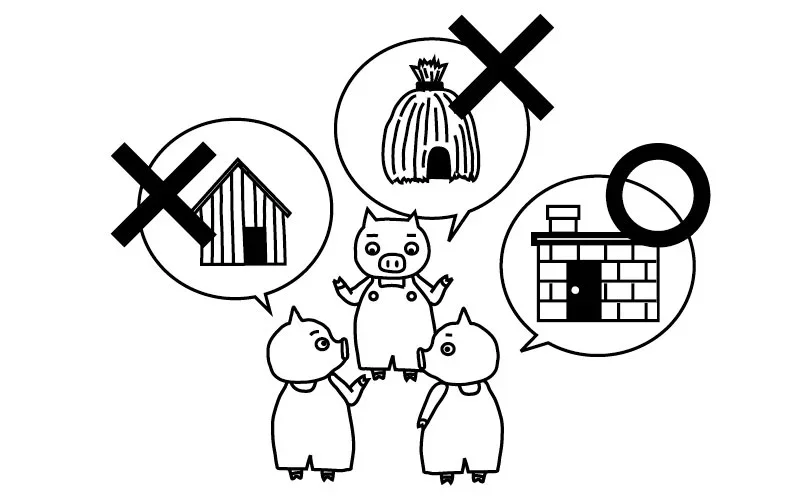
"Better safe than sorry."
If you are prepared for a crisis, you can nip potential crises in the bud.
Formulating a Tourism Crisis Management Plan
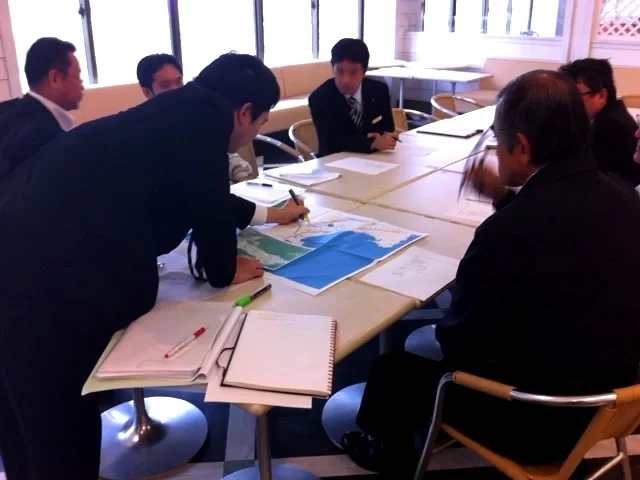
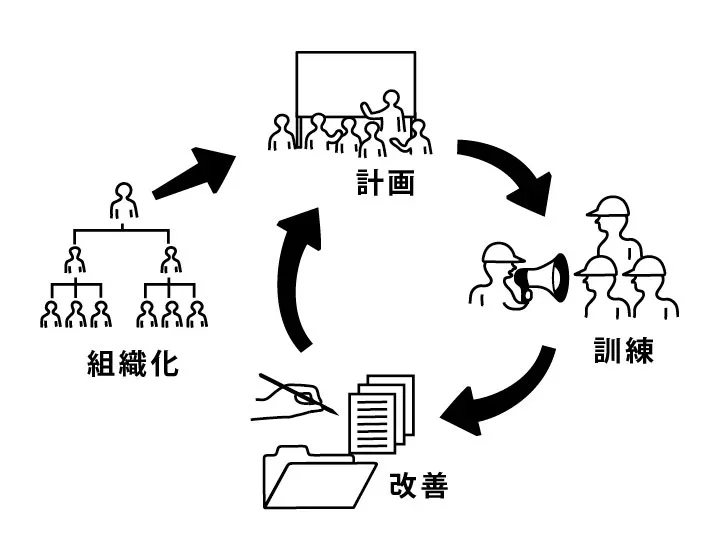
The basic steps for formulating a tourism crisis management plan are as follows.
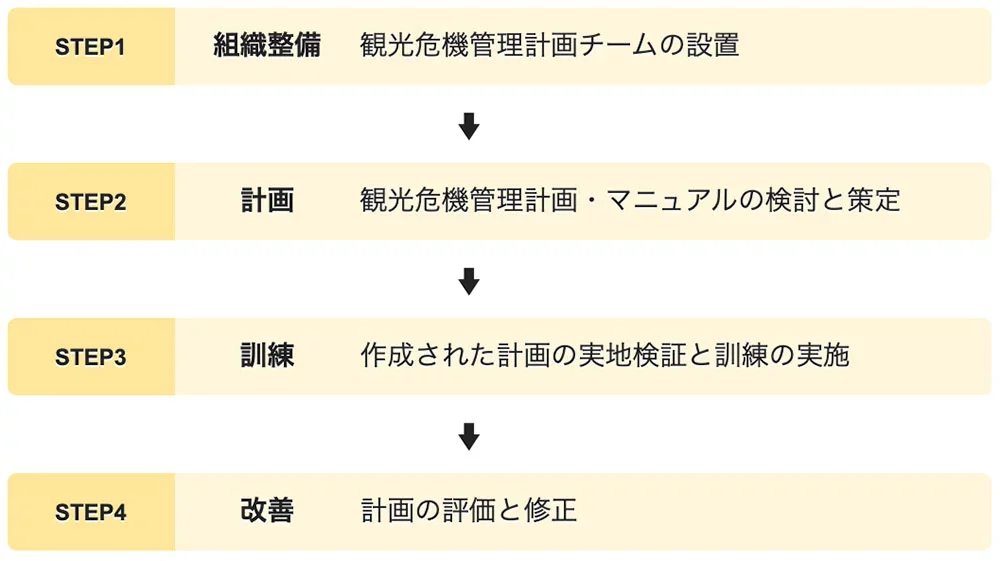
By following these four steps, not only individual tourism-related businesses but the entire region can prepare for tourism-related crises, leading to the creation of “safe and secure tourist destinations.”
Checkpoints
Is your organization ready? Tourism crisis management doesn’t work with planning alone
- Does the regional disaster prevention plan include measures for tourists and travelers?
- Are the crises and disasters anticipated in the tourism crisis management plan too limited in scope?
- Have you secured a budget and assigned personnel for tourism crisis management?
- Are the organizational responsibilities regarding tourism crisis management unclear among tourism-related organizations and local governments? (In the case of local governments, is it clearly defined whether the disaster prevention division or the tourism division is the department responsible for tourist crisis management?)
- Does the plan incorporate collaboration with stakeholders?
- Are the plans and manuals easy for staff and tourists to understand?
- Is the crisis management plan updated regularly and aligned with current conditions?
Learning from That Case Study
Here are some specific examples of measures implemented by companies, the national government, and local governments to “prepare for crises.”
Tokyo Metropolitan Government: Measures for People Unable to Return Home
During a disaster, congestion caused by people trying to return home immediately can exacerbate the crisis
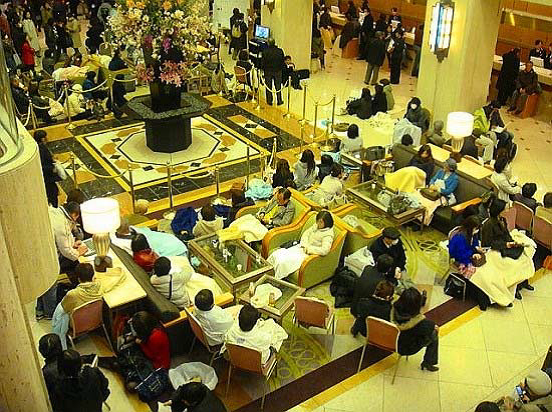
During the Great East Japan Earthquake, damage within Tokyo caused by the earthquake itself was limited. However, the suspension of rail and other public transportation services resulted in a large number of people unable to return home, causing severe congestion around stations and on roads.
In the future, if a major disaster such as a large-scale earthquake occurs and there is no prospect of restoring public transportation like railways for an extended period, the attempt by many people to return home could not only create a risk of secondary disasters—such as aftershocks or fires—but also cause traffic disruptions due to overcrowding, potentially delaying rescue and relief operations.
Setting the goal of creating an environment where employees can wait at the office safely and with peace of mind
With the aim of curbing the rush and congestion of people unable to return home at major stations and on main roads, and preventing secondary disasters, the Tokyo Metropolitan Government enacted the “Tokyo Metropolitan Ordinance on Measures for People Unable to Return Home” in March 2012. With the enforcement of this ordinance, businesses within Tokyo are required to make efforts to implement the following measures.
1) Preventing the simultaneous departure of employees
- Verification of building seismic safety (confirmation of compliance with seismic standards for new buildings constructed after 1981)
- Securing safe spaces by securing office equipment and arranging furnishings safely
- Introduction of systems to support checking on the safety of family members
2) Three days’ worth of emergency supplies *Applies to all employees working at the business location
- Recommended supplies per person: Water: 3 liters per person per day; Staple foods: 3 meals per person per day; Blankets: 1 per person, etc.
- Examples of other supplies: thermal blankets, portable toilets, hygiene supplies, ground coverings (such as plastic sheets), portable radios, flashlights, dry cell batteries, first aid supplies, etc.
3) Protection of Visitors at Public
Gathering Facilities *Primarily targets public gathering facilities such as department stores, exhibition halls, amusement arcades, movie theaters, and concert halls
- Consider measures for people requiring assistance during disasters (the elderly, people with disabilities, infants and toddlers, pregnant women, foreign nationals, elementary and junior high school students commuting to school, etc.) and those who suddenly fall ill
Tokyo Disney Resort® “SCSE” Code of Conduct
On March 11, 2011, an earthquake measuring 5 on the Japanese seismic intensity scale struck the “Land of Dreams”
At that time, there were a combined total of over 70,000 guests inside Tokyo Disneyland® and Tokyo DisneySea®. All attractions were immediately shut down. Park cast members (employees) reassured guests by saying in a clear voice, “Please crouch down and protect your head from falling objects. "This location is safe," in a clear voice, calming the guests. Forty seconds later, an announcement was made throughout the park in both Japanese and English: "There has just been an earthquake. If you are near a building, please move away from it and wait in an open area." After the shaking subsided, guests were guided to safer locations. There were no injuries among the guests. No panic ensued.
Disney magic? Daily efforts behind the scenes created the “magic”
All cast members at Tokyo Disney Resort® acted on their own initiative, prioritizing guest safety based on the order of priority established in the “SCSE” code of conduct: “Safety > Courtesy > Show > Efficiency. ”All cast members working at Disney are educated and trained from the moment they join the company to act in accordance with SCSE. A total of 180 safety drills are conducted annually across the two parks at Tokyo Disney Resort®. For TDR cast members, who have undergone repeated training based on a crisis management plan designed assuming 100,000 guests were present during a magnitude 6.0+ earthquake, this disaster was not an “unforeseen” situation.
Qantas Airways: Instilling It into the Body
Qantas Airways’ crisis management plan is nearly perfect in terms of “Readiness”
Due to the nature of their business—operating flights in the sky every day—airlines are constantly operating in close proximity to risks and crises. Within the aviation industry, Qantas Airways of Australia is known as one of the airlines with the lowest accident rates in the world. It is fair to say that the company’s crisis management plan is nearly perfect in terms of “readiness.”

“There is no end point to crisis management”—training until it becomes muscle memory
When formulating its crisis management plan, Qantas thoroughly identifies all potential risks and crises. It works to minimize the probability of “unforeseen” events while also anticipating the worst-case scenarios for the most likely occurrences and planning responses accordingly.
They translate these plans into concrete action manuals and, to ensure familiarity with emergency procedures even during normal operations, have established crisis response programs at every level—from the front lines to senior management—consistently conducting training, practical exercises, and awareness-raising activities. They train until these responses become second nature (muscle memory) so that capabilities can be fully utilized when a crisis strikes.
Furthermore, based on the principle that “there is no end point to crisis management,” we constantly anticipate the possibility of new crises in today’s increasingly complex and uncertain business environment. Under the motto “The road always continues,” we repeatedly review and refine our plans.
Exercise
How would you prepare for a crisis?
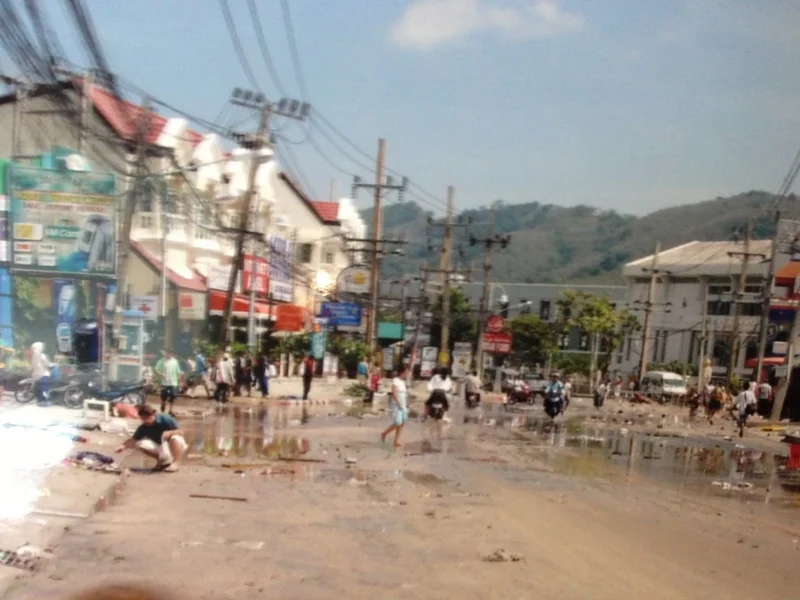
Q: You are the manager of “Kikikanri Beach,” a public beach in Okinawa. While Kikikanri Beach has response manuals for incidents such as customer drowning accidents and typhoons, specific plans for responding to tsunamis have not been developed until now. Following the Great East Japan Earthquake, Okinawa Prefecture significantly revised its tsunami inundation forecasts. According to these updated projections, the first wave of a tsunami is expected to reach Kikikanri Beach within 30 minutes of an earthquake, with maximum inundation depths on the beach estimated at 5 to 10 meters. Consequently, Kikikanri Beach has decided to formulate a crisis management plan to respond to tsunamis. What specific points would you focus on when developing this plan?
A: Sample Answer
For example, the following points could be considered:
- Determining the maximum number of beachgoers during peak times.
- Take into account not only daytime beach use but also the maximum number of people expected during beach events such as fireworks displays.
- The time required for people at the farthest point of the beach to evacuate to the beach entrances.
- Methods for conveying tsunami information to customers engaged in offshore activities such as jet skiing, snorkeling, and banana boat rides.
- Nearby high ground or high-rise buildings (5 stories or higher) capable of accommodating the maximum number of people during an evacuation.
- The distance to the evacuation site and the time required to evacuate from the farthest point on the beach or from offshore.
- Staffing arrangements for guiding guests to evacuation sites.
- Safer and easier-to-understand evacuation routes.
Q: When conducting evacuation drills based on Kikikanri Beach’s tsunami crisis management plan, what methods should be used, and what points should be noted?
A: Sample Answer
For example, the following approaches are possible.
- Instead of conducting the drill solely at the beach, conduct it jointly with local neighborhood associations and other businesses.
- If possible, ask the fire department, police, and city disaster prevention officials to observe the drill.
- Include not only able-bodied adults but also children, the elderly, foreigners, and people with disabilities—those who require assistance during evacuation—as participants.
- Conduct drills that include bringing people from the water to land and guiding them to the evacuation site.
- In addition to evacuating from the beach to the evacuation site, conduct actual drills to confirm that the reception process at the evacuation site proceeds smoothly.
- Use the beach’s public address system and local disaster prevention radio systems to verify that evacuation instructions can be heard clearly through these channels.
- The focus is not on conducting the drill without a hitch, but rather on identifying issues and areas for improvement in the established plans and manuals through the drill.
Related Links
Ministry of Internal Affairs and Communications, Fire and Disaster Management Agency: Regional Disaster Prevention Plan Database A Fire and Disaster Management Agency website where you can view disaster prevention plans from local governments nationwide
.
Tokyo Metropolitan Ordinance on Measures for People Unable to Return Home Measures for people unable to return home, enacted
in April 2013, based on the Tokyo Metropolitan Government’s concepts of “self-help,” “mutual aid,” and “public assistance.”