Understanding Tourism Crisis Management Through the "4Rs" (4): Response - Responding to a Crisis
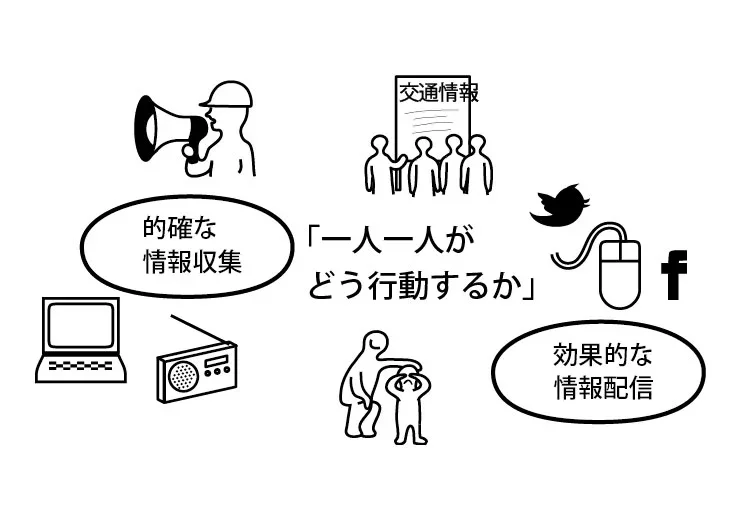
Safety is the top priority. Gather information, make decisions, and communicate. Communication during a crisis is key.
"Crisis response" refers to the process of minimizing damage and controlling the negative impacts of a crisis, both before it occurs and immediately after it strikes.
The primary focus immediately after a crisis occurs is to minimize harm to the lives of tourists and employees, as well as damage to the facility. We must quickly and accurately explain the situation to tourists unfamiliar with the local geography, provide instructions for ensuring safety on the spot, and guide them to evacuation sites. Tourists and travelers include foreigners who do not understand Japanese, as well as people who require assistance during evacuation. Measures are also necessary to ensure the safety of these individuals and help them remain calm.
The specific safety measures required vary depending on the type of disaster or crisis. Taking the evacuation of hotel guests as an example: in the event of a fire, the general rule is to guide guests from the hotel building to the outdoors. However, if a tsunami warning is issued indicating that a massive tsunami will reach the area within a short time, it is safer for hotels located on the coast to guide guests to higher floors within the hotel.
In such situations, who will assist guests with physical disabilities who have difficulty evacuating on their own? When people are evacuating via the external emergency staircases, who will unlock the emergency doors—which are locked to prevent unauthorized entry from outside—and how will they do so? These details must also be incorporated into the crisis management plan.
In the event of an accident or disaster resulting in injuries to tourists, including foreign nationals, the hotel will provide first aid and medical services in cooperation with local medical institutions. During evacuations, tourists and travelers may be transported to hospitals without their wallets or credit cards, leaving them penniless. Preparing in advance for the coverage of these individuals’ medical expenses, dealing with insurance companies, and accommodating victims who wish to be transferred to medical facilities near their homes will ensure a smoother response when the time comes.
Effective communication is critical during crisis response. Designate a communication coordinator in advance, gather information through that person, and promptly and accurately disseminate necessary information to relevant local organizations, tourists and their families and associates, business partners, government agencies, and the media. Accurately conveying the local situation is not only a responsibility to the tourism industry and the general public but also helps prevent reputational damage caused by misunderstandings that visiting the affected area poses greater risks than it actually does. We must constantly monitor whether the information we release is being accurately reported and understood by the media and the public. With the rapid proliferation of mobile devices such as smartphones and social media, communication methods have shifted from a one-way flow from sender to receiver to a two-way interaction where citizens—who are typically recipients of information—also act as information providers. Developing crisis communication strategies that leverage this environment is a key issue for future consideration.
When responding to crises involving tourists, measures to assist them in returning home or to their home countries are also necessary. This includes not only providing detailed information on the operation of transportation services for their return, but also arranging alternative transportation and providing shuttle services to and from departure points when regular transportation is unavailable. We will also consider providing support for repatriation procedures for foreign nationals who have lost their cash or passports due to a disaster.
Furthermore, even in tourist destinations affected by a crisis, it is important for tourism-related businesses to continue operations and services as much as possible to alleviate tourists’ anxiety.
Learning from Past Cases
Here are specific examples of “crisis response” measures taken by companies, the national government, and local governments during actual crises.
Phuket Tsunami: Response by Medical Institutions
Amid the emergency caused by the tsunami, medical institutions accepted injured foreigners unconditionally
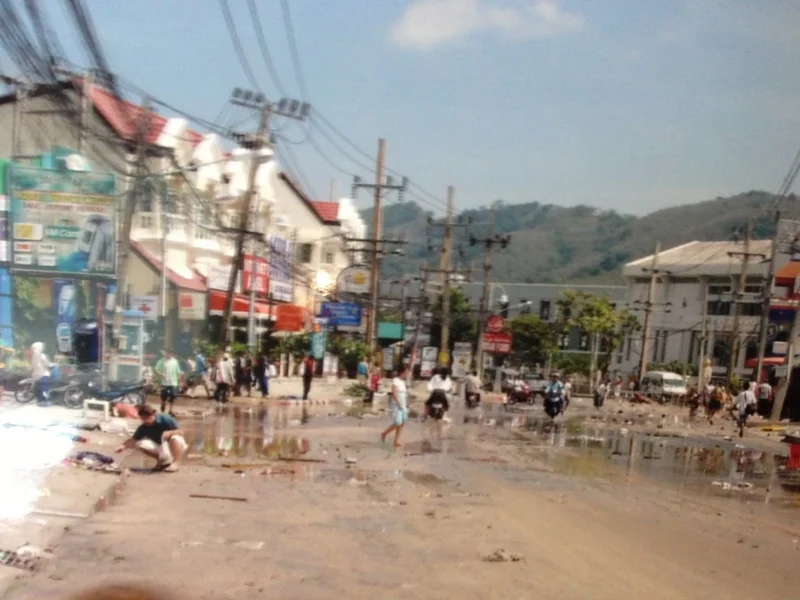
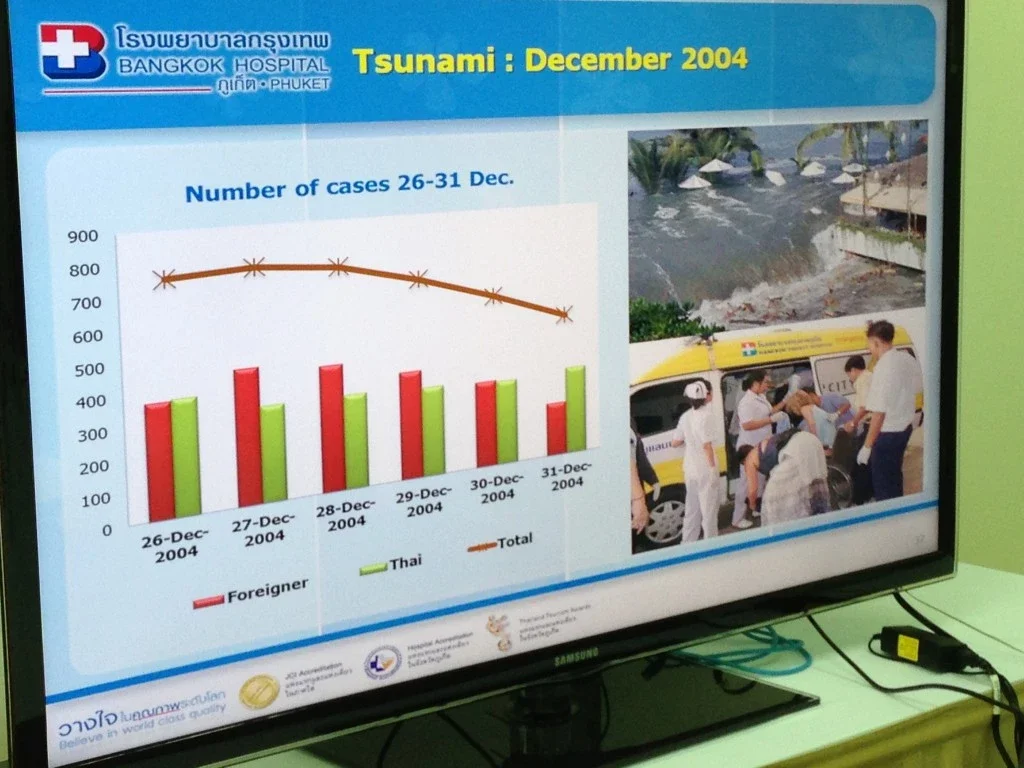
The massive earthquake that struck off the coast of Sumatra, Indonesia, in December 2004 caused severe tsunami damage to the coasts of Asia and Africa facing the Indian Ocean. Phuket Island, one of Thailand’s leading resort destinations, was also struck by a tsunami several meters high, damaging hotels, restaurants, and souvenir shops along the beach. Many tourists from Northern Europe and the United Kingdom who were visiting Phuket for the Christmas holidays were also affected. Amid this emergency, three private hospitals on Phuket Island actively admitted foreign nationals injured by the tsunami, setting up makeshift wards and operating rooms by placing beds in hallways and lobbies, and providing all possible medical care free of charge.
The "safety and security" of the medical system during the disaster was reported worldwide
Upon learning of the dedicated efforts of Phuket’s hospitals toward his own citizens, King Gustaf Carl of Sweden traveled to Phuket himself to visit Swedish tourists who were hospitalized and expressed his gratitude to hospital staff and provincial government officials. The following year, the King visited Phuket again and, as a token of appreciation for the generous care provided to his citizens, presented one of the hospitals with an international conference room named after him. As a result of this being reported in Europe, Phuket’s reputation as a “resort safe even from tsunamis” and a “tourist destination offering high-level medical services and hospitality” improved, allowing it to quickly regain tourists from Europe. Furthermore, despite not conducting active promotional campaigns, this has led to an increase in the number of foreigners visiting Phuket specifically for medical services.
Hotels: Accommodating Evacuees Unable to Return Home During the Great East Japan Earthquake
The Hospitality of Japanese Hotels That Supported People All Night Long That Day
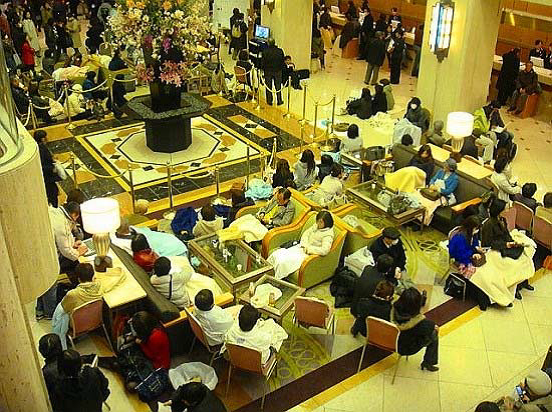
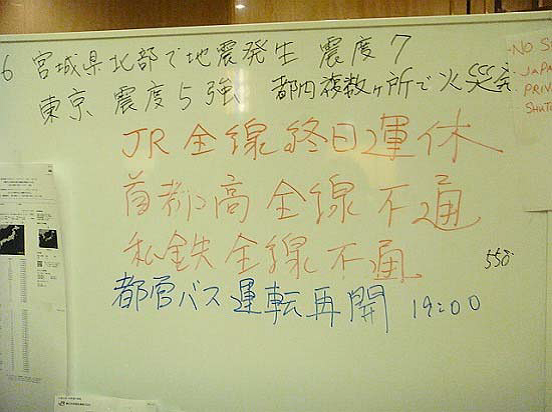
On March 11, 2011, following the earthquake, most public transportation in the Tokyo metropolitan area suspended operations for safety checks and restoration work. This resulted in a large number of people unable to return home. Hotels and department stores in Tokyo opened their public spaces, such as lobbies and hallways, to accommodate these people so they could spend the night in a warm indoor environment.
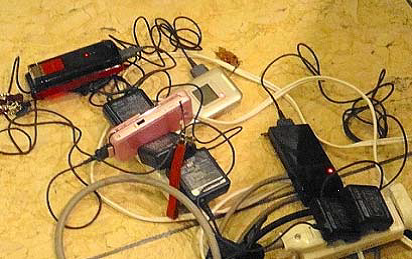
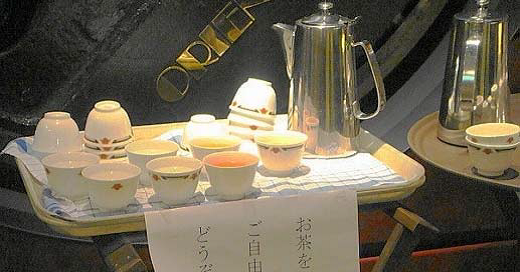
The Hotel Metropolitan in Ikebukuro, Tokyo, accommodated 1,800 people. They provided blankets, bedspreads, towels, hot tea, and power for mobile phones to those who had taken refuge there, and kept them updated on the latest public transportation schedules.
Queensland, Australia - Facebook
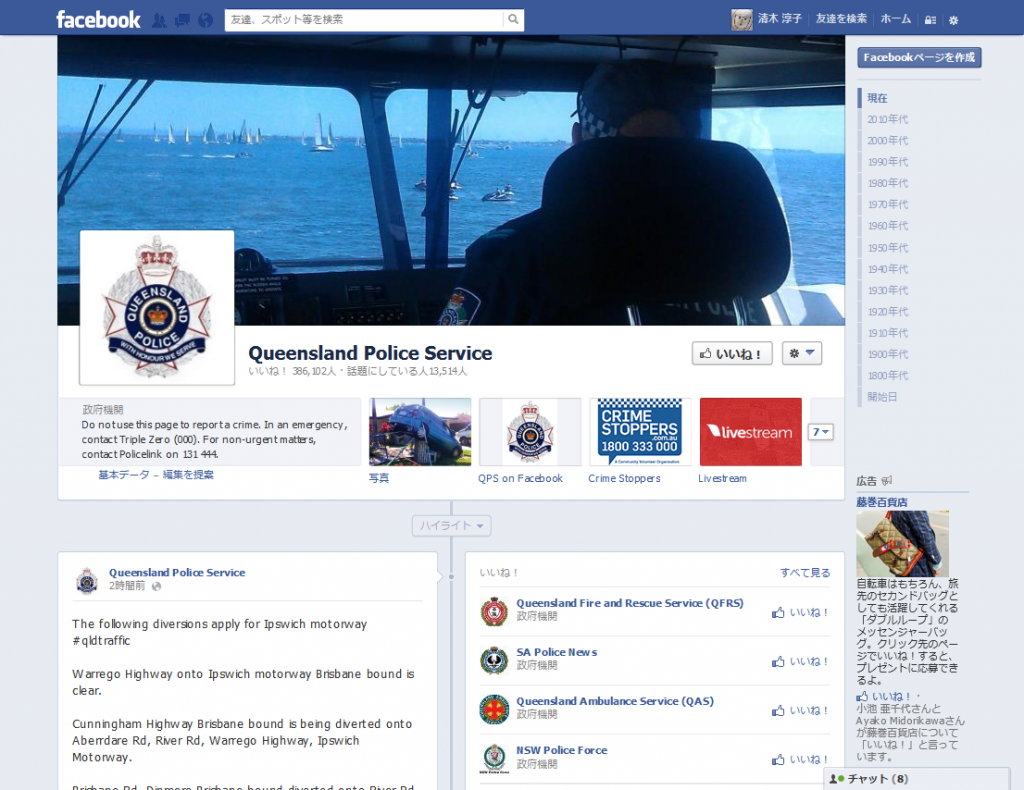
The State Police’s Facebook page served as a disaster information portal: Minimizing Casualties
Following continuous heavy rains in Queensland, northeastern Australia, starting in November 2010, massive flooding occurred across a wide area of the state in January of the following year. Furthermore, in February of that same year, the state was hit directly by the massive Cyclone Yasi, but casualties were kept to a minimum. It is believed that this was because, during the floods and the cyclone, the State Police promptly disseminated information from press conferences, safety precautions for residents and tourists, and evacuation status updates via their website and the State Police Facebook page—launched in 2010—allowing many residents and tourists to obtain accurate information.
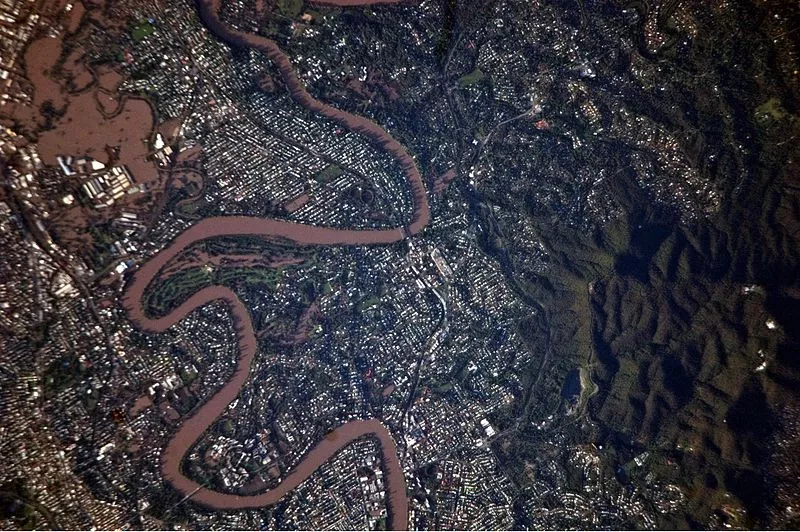
As the floodwaters spread, traffic to the State Police’s Facebook page surged, reaching 160 million followers. Consequently, Facebook became a one-stop portal for flood information, attracting people from around the world seeking updates on the Queensland floods.
Accurate disaster information was disseminated worldwide thanks to information provided by residents
Since Facebook is accessible via mobile devices such as smartphones, Queensland residents and travelers were able to post images and videos they had taken on the spot of damage in their neighborhoods. This allowed the current state of damage across the state—which government agencies alone could not fully cover—to be conveyed to the world. Official state announcements regarding Cyclone Yasi were translated into 24 languages by volunteers from various countries who accessed the Queensland Police Facebook page, and these translations were posted on Facebook. Without spending money or time, Queensland was able to provide the latest information on the cyclone in their native languages to people around the world, including tourists visiting the state, which greatly helped prevent human casualties caused by the disaster.
Practice Questions
How would you respond to a crisis?
Q: You are the manager of a large seaside inn with 150 guest rooms. It is the busy summer vacation season, and the inn is fully booked, mainly with families. At around 5:30 p.m. on a day when the inn is fully booked, while you are assisting guests with check-in at the front desk, a very strong earthquake suddenly strikes, accompanied by a rumbling sound. What should you do first?
A: Sample Answer
- Guide guests in the lobby area to a safe location and instruct them to crouch down and protect their heads.
- Instruct staff to guide and assist guests and unlock the emergency exits.
- Turn on the TV and radio to gather information regarding the earthquake and tsunami warnings.
- If a tsunami warning is issued, guide guests in the lobby and outdoors to the upper floors of the building.
- Announce the current situation and the actions guests should take to ensure their safety over the building’s public address system.
- Check the safety of the building (for fires, structural damage, etc.).
- Obtain the reservation ledger and the list of guests who have already checked in. If possible, print these out from the system in advance.
- Instruct staff to confirm the safety of guests and employees inside the facility.
- Establish a crisis management system and centralize information.
- Provide assistance to guests and employees who are injured or trapped.
- Contact the fire department, police, and other relevant authorities.
- Prepare to release information via the website (first update).
Q: One hour after the earthquake, the situation gradually became clearer. There was no major damage to the inn’s building or any fires caused by the earthquake. Although a tsunami warning was issued after the earthquake, no significant changes were observed in the sea in front of the inn even after the predicted arrival time had passed. None of the guests inside the building suffered serious injuries, but several sustained minor cuts from broken glass. Guests are currently waiting in the large hall on the second floor and the banquet hall on the third floor, where safety has been confirmed. Several foreign guests are sitting on the floor, looking anxious. Among the guests staying tonight is a group of 20 people with hearing impairments. All employees on duty are safe, but many are unable to contact their families. We have managed to contact some of the employees who were off duty that day and confirm their safety, but there are still employees we have not been able to reach. The entire area surrounding the inn is without power. The inn has started its emergency generator to provide minimal lighting, but the air conditioning is not working. Both landlines and cell phones have been completely out of service since a few minutes after the earthquake struck. It appears that outgoing calls are being restricted. Given this situation, what should you do?
A: Sample Answer
- Check on the condition of injured guests and provide first aid instructions to the best of your ability.
- Gather information about tsunamis and aftershocks using radios, televisions, mobile TV, smartphones, etc.
- Instruct guests strictly not to go down to the first floor in preparation for a second or third tsunami wave.
- Provide the latest information to guests inside the facility using bulletin boards and other means. Since some guests may have difficulty hearing, always follow up on verbal instructions with written notices or notes.
- Attempt to contact the outside world using all available means—public phones, satellite phones, radios, Twitter, Line, etc.—to convey the situation inside the building.
- Compile a list of guests who have taken shelter in the facility and cross-check it with the list of checked-in guests to confirm that no one is missing.
- For foreign guests, create a list containing their names and passport numbers so that we can immediately respond to inquiries from embassies and consulates regarding their safety (utilize passport copies taken at check-in).
- Continue to confirm the safety and whereabouts of employees who cannot be reached, and contact their families.
- Since evacuees may have to stay inside the facility for an extended period (several days), check the stock of water, beverages, and food available for distribution.
- Record the current situation in a memo, save it as a data file, and prepare to upload it to the hotel’s website as soon as an internet connection is restored.