Understanding Tourism Crisis Management Through the "4R" Framework (1)
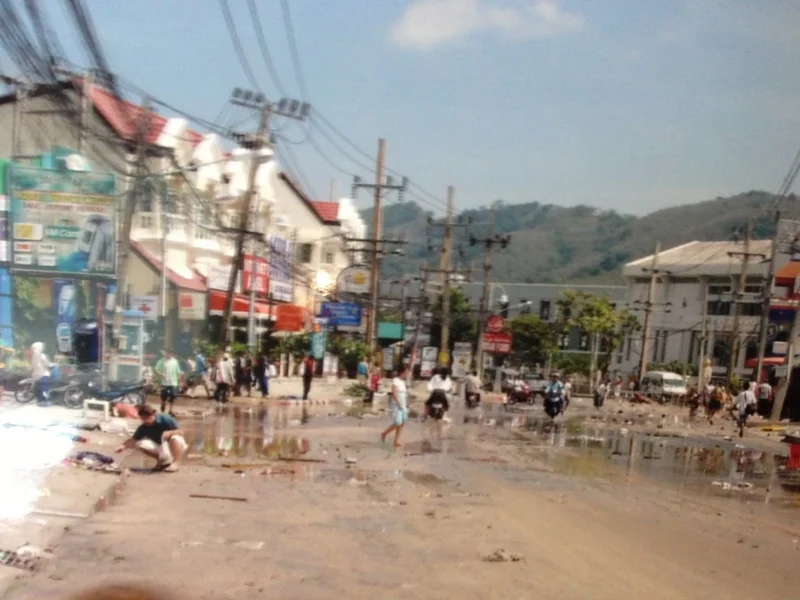
If a crisis occurs, tourists will likely change their travel plans, avoid that destination, and head elsewhere. When a crisis occurs, it is the responsibility of tourist destinations and tourism-related businesses to ensure the safety of tourists and travelers visiting the area, provide assistance to those affected, and help them return home safely.
If we can effectively manage the needs of tourists during disasters, we can enhance the brand image of Japan as a whole and of individual regions by establishing ourselves as a country and regions where people can feel safe even in times of crisis. Furthermore, promptly conveying accurate information about the situation in disaster-affected areas to stakeholders both domestically and internationally is the first step toward the recovery of the tourism industry. Compiling and implementing a tourism recovery plan as soon as possible after a crisis will accelerate the recovery of the entire region by expediting the revival of local tourism—even by a single day—and by protecting the jobs and livelihoods of local people engaged in tourism and tourism-related businesses.
A crisis has the potential to have both positive and negative effects. To ensure that the impact of a crisis works to the advantage of the future development of the organization or tourism region and to minimize negative consequences as much as possible, swift decision-making and the implementation of countermeasures are essential.
So, what specific actions should be taken? The first step in tourism crisis management is to proceed with planning based on the fundamental premise that “crises will inevitably occur.”
Tourism crisis management is said to consist of four “R’s”: Reduction (mitigation), Readiness (preparedness), Response (crisis management), and Recovery (post-crisis recovery).
The Four ‘R’s of Tourism Crisis Management
Disaster Mitigation (Reduction)

Anticipate crises and disasters that could negatively impact local tourism, as well as their associated risks, and implement measures to prevent crises from occurring or to minimize harm to tourists and tourism businesses when a crisis is imminent. (Examples) Creating evacuation maps, providing early information
on crises, and promoting preemptive evacuation and preparation.
Understanding Tourism Crisis Management through the “4Rs” (2): Reduction – Disaster Mitigation
Readiness

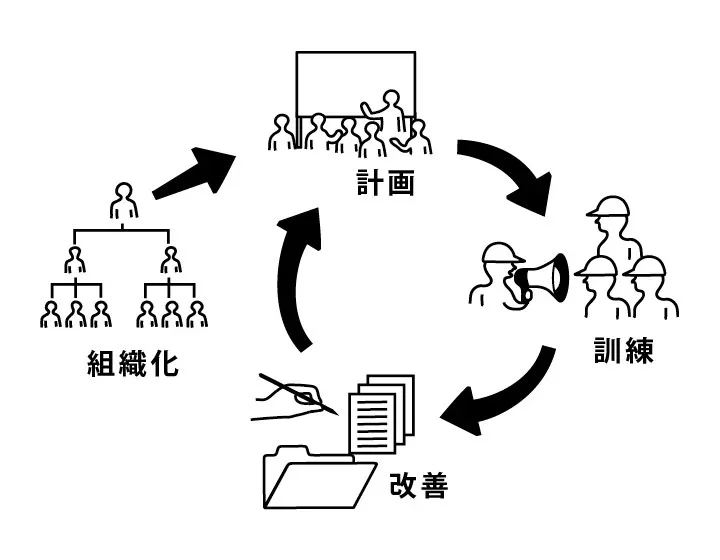
We formulate plans and specific action manuals in advance—including who will respond and how—and establish systems and conduct training to ensure these can be executed swiftly and appropriately when a crisis occurs.
(Examples) Assessing the current situation, analyzing challenges, formulating disaster prevention plans, and conducting crisis response drills.
Understanding Tourism Crisis Management through the "4R" Framework (3): Readiness - Preparing for Crises
Response

When a crisis occurs, we act systematically and without delay based on plans and manuals to ensure the safety of tourists. Additionally, gathering and disseminating information to minimize the impact of confusion and rumors is extremely important. Appropriate information dissemination helps accelerate the pace of recovery once the crisis has passed.
Understanding Tourism Crisis Management through the "4R" Framework (3): Readiness - Preparing for Crises
Recovery

To quickly restore a tourist destination after a crisis, we consider and plan in advance for the repair of tourism infrastructure and marketing efforts aimed at tourism recovery. This also serves as a business continuity plan (BCP) for the destination.
(Examples) Formulation of a recovery framework, emergency loans to tourism-related businesses, employment support for tourism industry workers, recovery promotions.
Understanding Tourism Crisis Management through the "4R" Framework (5): Recovery - Recovering from a Crisis