Understanding Tourism Crisis Management Through the "4Rs" (2): Reduction - Disaster Mitigation
Identifying potential crises and conducting risk analysis to contain and reduce them
Disaster risk reduction refers to activities aimed at preventing disasters, lowering the likelihood of disasters or crises occurring, and minimizing the damage caused by them.
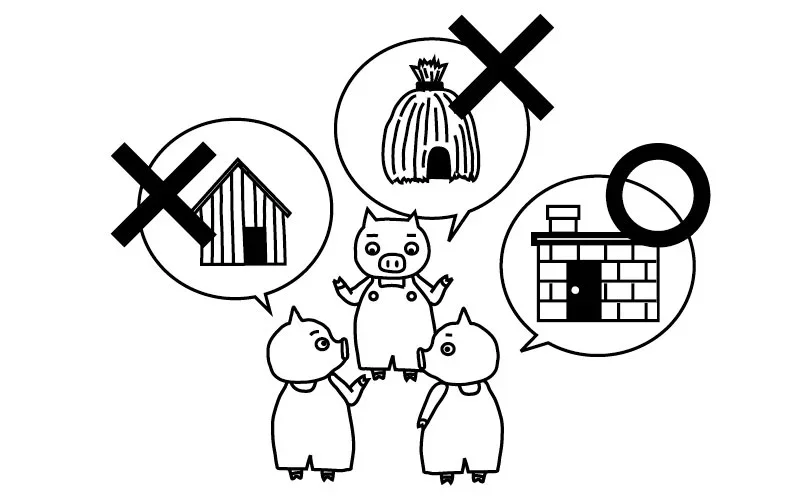
Disaster risk reduction activities include identifying potential crises in tourist destinations and conducting risk analyses, raising public and private sector awareness of crises, and reviewing policies, laws, and enforcement regulations related to disaster risk reduction. By considering response measures and formulating plans before a crisis occurs, it is possible to respond more effectively than by making hasty decisions while being overwhelmed by the crisis once it actually strikes.
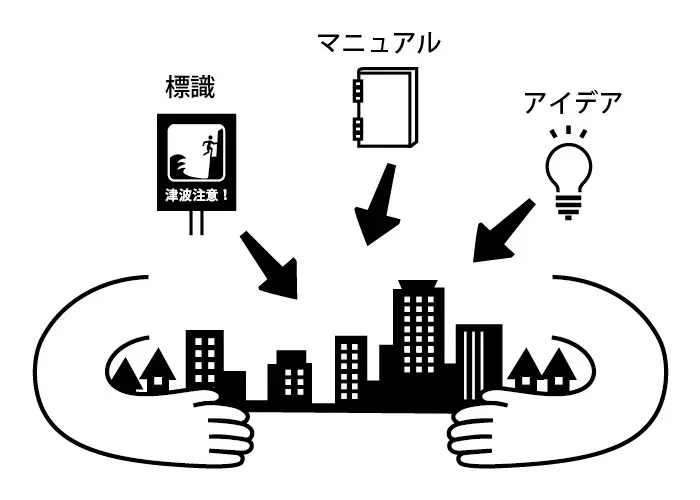
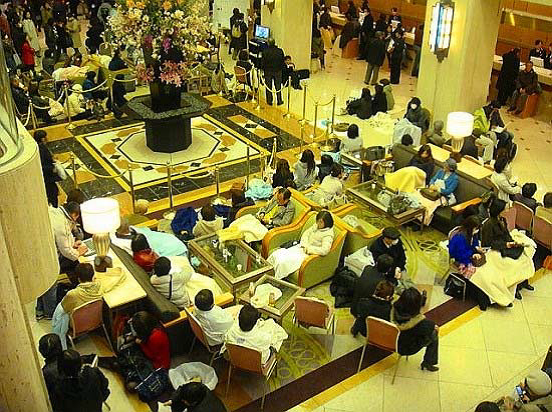
For example, when evacuating thousands of visitors from a large-scale tourist facility during a disaster, planning in advance how to regulate surrounding traffic and coordinating roles with relevant agencies such as the police allows for faster evacuation guidance and helps prevent secondary disasters, such as traffic accidents, during the evacuation.
Developing a crisis management plan based on anticipated scenarios not only reduces risk but also ensures that, when a crisis actually occurs, you can minimize damage by effectively utilizing limited human resources without wasting time.
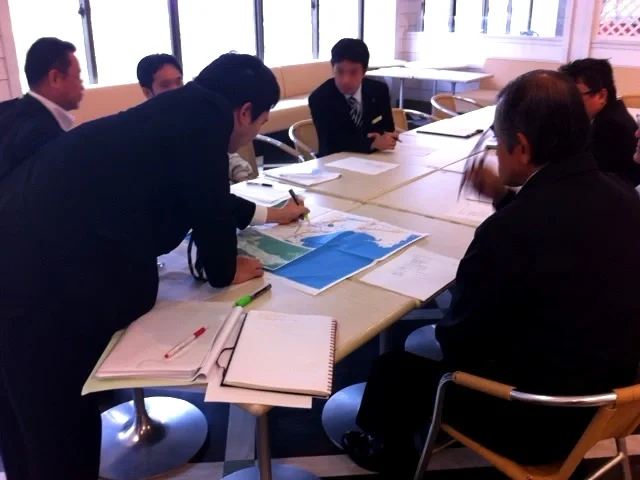
Considerations for Risk Analysis
When clarifying crises and conducting risk analysis, the following items are examined:
- Probability and frequency of various potential crises
- The likelihood of human casualties (deaths and injuries) if a crisis occurs
- Impact on the local community if a crisis occurs
- Negative impact on the tourism industry
- Impact on transportation
- Impact on lifelines, etc.
Examples of disaster mitigation policies
Policies designed to reduce crisis risks and support recovery from crises include the following.
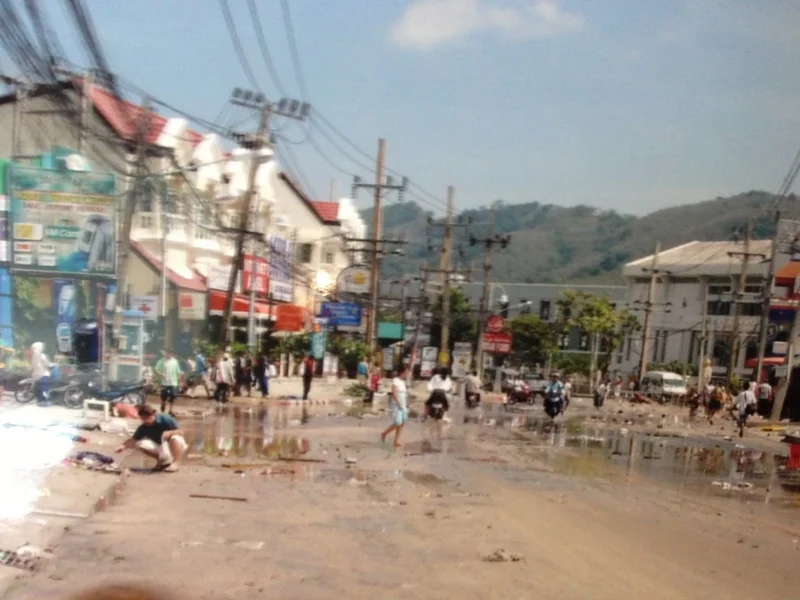
- Building codes incorporating tsunami countermeasures for hotels and tourist facilities located on the coast
- Tourism Revitalization Promotion Fund to restore tourism demand that has declined due to a crisis
- Advance determination of priority areas for post-disaster reconstruction projects
Learning from These Examples
Here are some specific examples of initiatives implemented by companies, the national government, and local governments.
Okinawa Tourism: Safety and Security Guide
Communicating potential "dangers" that may be encountered during travel in advance to mitigate risks
As a beach resort destination, Okinawa is one of Japan’s leading tourism-oriented prefectures. Located at the southernmost tip of Japan, it has a distinct climate and ecosystem, meaning there are many “things” and “situations” that tourists may not be accustomed to. “Dangers” for tourists—such as typhoons far more powerful than those on Honshu and venomous creatures—are ever-present.
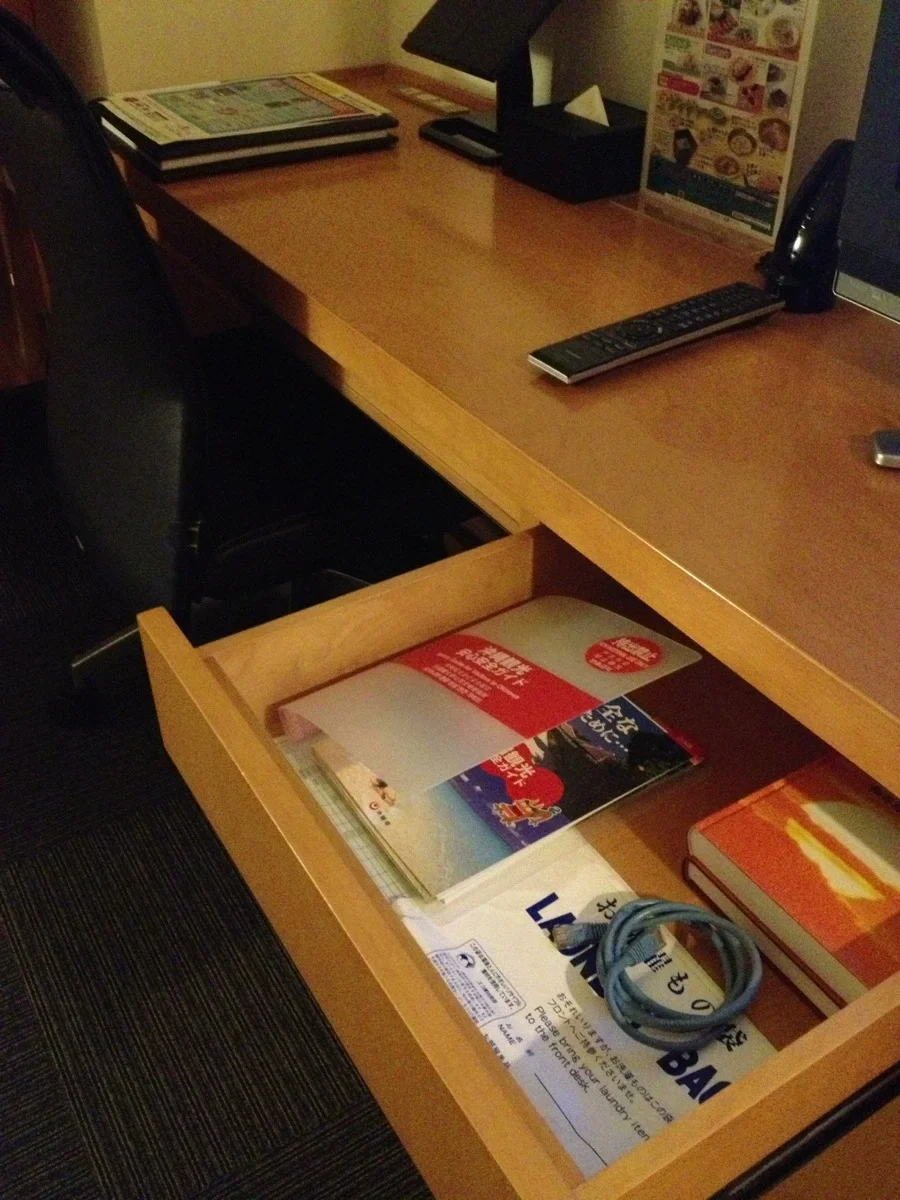
Okinawa Prefecture has created a leaflet in five languages—Japanese, English, Korean, Simplified Chinese, and Traditional Chinese—to raise awareness in advance about potential "dangers" tourists may encounter, striving to reduce the risk of tourists suffering unexpected accidents. It also includes information on how to respond to natural disasters such as typhoons and earthquakes, as well as what to do in case of injury or illness, along with emergency contact numbers, providing tourists with the information they need to respond promptly to crises. This leaflet is placed in every guest room at hotels throughout the prefecture to ensure it catches tourists’ attention, and a pocket-sized version is available at major information centers such as airports.
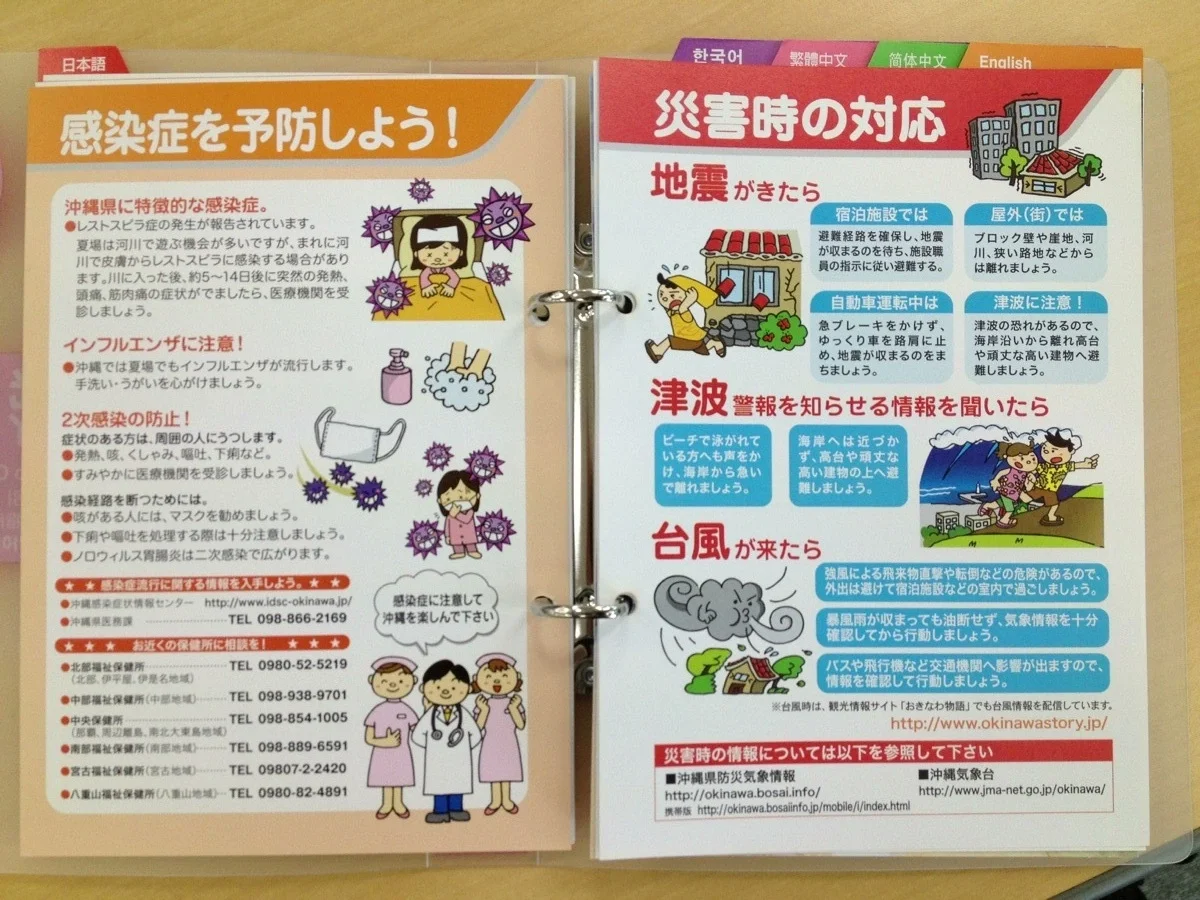
Okinawa Prefecture: Elevation Markings and Designated Tsunami Evacuation Buildings
Where should tourists go when they know a tsunami is coming?
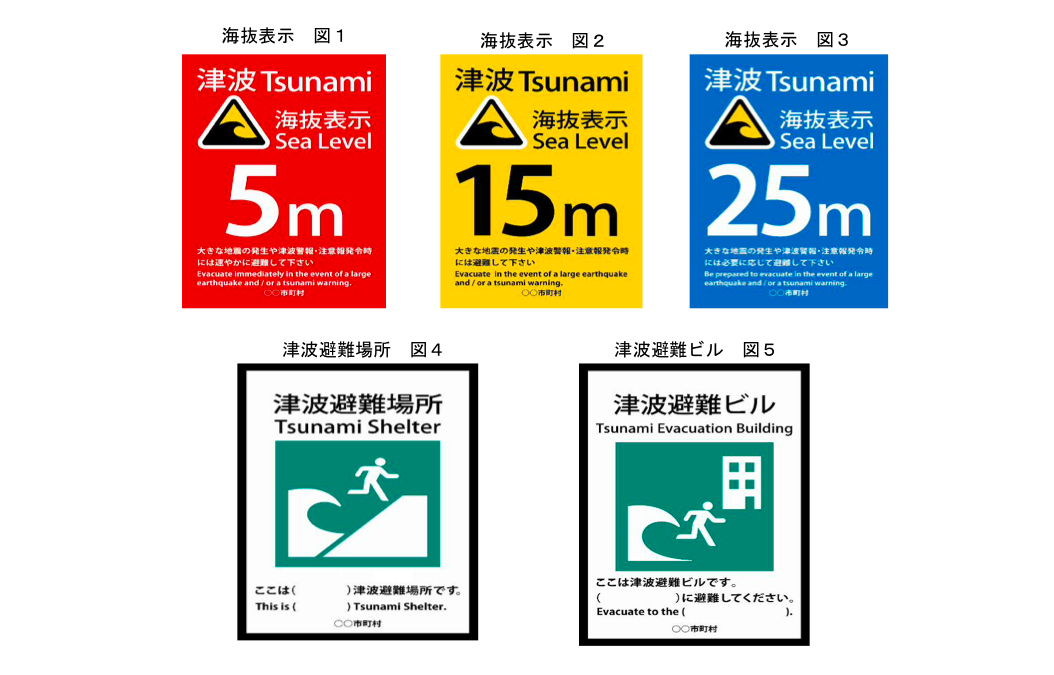
Since the Great East Japan Earthquake, local governments nationwide have been installing elevation markers—primarily near coastlines—and designating tsunami evacuation buildings. They are advancing initiatives aimed at “tsunami disaster mitigation” so that when a tsunami warning is issued, people can check the elevation of their current location and quickly evacuate to higher ground or a designated tsunami evacuation building.
Buildings designated as tsunami evacuation buildings include not only shelters specified in each municipality’s regional disaster prevention plan but also many private buildings, such as hotels and high-rise apartment complexes. Particularly in flat areas where the distance from the coast to higher ground is significant, it is crucial for reducing human casualties from tsunamis to have multiple designated tsunami evacuation buildings where people can immediately flee to upper floors upon hearing tsunami warnings, and to ensure these buildings are easily identifiable. In Okinawa Prefecture, some areas have installed elevation markers on the emergency staircases of tsunami evacuation buildings to make it clear to people entering from outside which floor they need to reach to be safe.
JR East’s Crisis Management
On that day, five local trains were swept away by the tsunami.
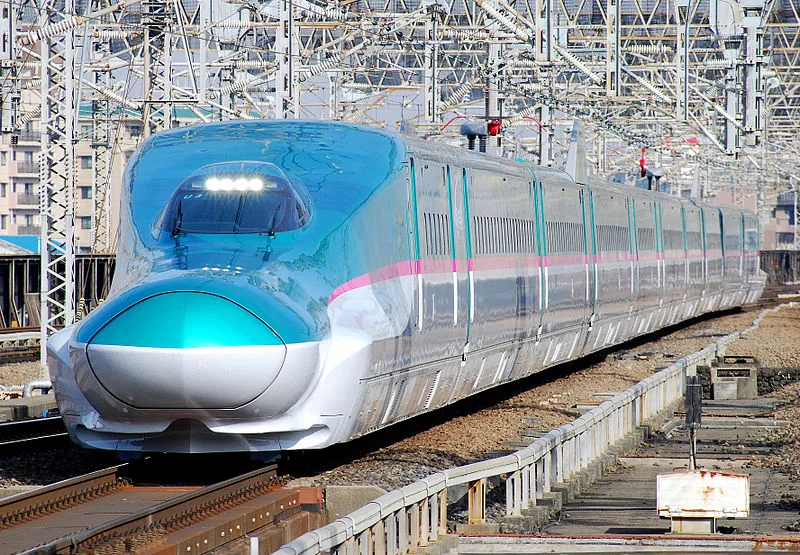
When the earthquake struck eastern Japan, 27 Shinkansen trains were traveling at a maximum speed of 300 km/h within the JR East network, carrying a total of 20,000 passengers. As soon as sensors detected the initial tremors, the earthquake warning system activated, and all trains automatically made an emergency stop. Not a single Shinkansen train in regular service derailed, and there were no casualties among passengers or crew members. Additionally, five local trains were swept away by the tsunami that followed the earthquake. However, all trains in operation had already come to an emergency stop. Following instructions from the operations control center, crew members immediately guided passengers off the trains and safely evacuated everyone to higher ground or evacuation centers. There were zero fatalities among the passengers and crew of these trains, and not a single person was injured.
What Made This “Miracle” Possible
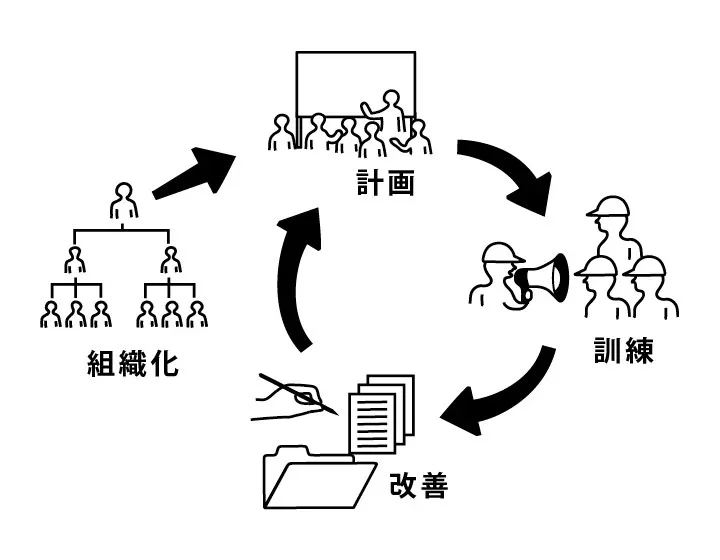
The fact that there were no casualties among passengers despite such extensive earthquake and tsunami damage is attributable to the company’s crisis management system functioning effectively. First, JR East’s earthquake emergency stop system is designed to activate one second faster than the Japan Meteorological Agency’s Early Earthquake Warning. For high-speed trains, applying brakes even one second earlier and reducing speed before major shaking occurs significantly lowers the risk of derailment. Second, when the crisis struck, train crews received instructions from the Transportation Control Center to “evacuate to higher ground following the issuance of a major tsunami warning,” and they successfully guided all passengers to safety. JR East conducts extremely rigorous safety training for its crews on a regular basis. It was precisely because they had internalized these repeated safety drills that they were able to put them into action when faced with an unprecedented crisis. The company’s crisis management can be described as a model case where meticulous planning is reliably reflected in both systems and human training.
Canceling Events During a Typhoon: What Is the Wise Decision?
"Canceling an event" is the greatest business risk. To ensure you can make wise decisions when the time comes
Typhoons are crises where the date and time of approach, as well as the intensity of wind and rain, can be predicted to a certain extent. Canceling events scheduled to coincide with a typhoon’s approach virtually eliminates the risk of attendees suffering typhoon-related damage, making it a highly effective “disaster mitigation” measure. However, for event organizers, canceling an event represents the greatest business risk. Consequently, organizers will likely persist in negotiations to hold the event at all costs.
For conference and exhibition facilities, clearly defining criteria in facility usage rules or contracts—specifying that scheduled or ongoing events must be canceled and attendees evacuated when certain typhoon forecasts, weather reports, earthquake early warnings, or tsunami alerts are issued—makes it easier to request cancellation from event organizers when the time comes.
Similarly, for hotel banquets and other events, establishing criteria for canceling events or banquets when a disaster is anticipated ultimately ensures the safety of guests.
Practice Question
How would you minimize the impact of a crisis?
Q: You are a local government employee. A very strong typhoon with wind speeds of 50 m/s in its storm surge zone is approaching, and weather forecasts indicate it will come closest to our city tomorrow afternoon. Tomorrow, Saturday, the city’s largest festival, the “Kikikanri Festival,” is scheduled to take place. The Kikikanri Festival typically attracts 100,000 visitors annually, 10,000 of whom stay at hotels in the city or at hot springs in the surrounding area to enjoy the festival. As a result, accommodations in the city and surrounding areas are nearly fully booked for tonight and tomorrow night. Given the approaching typhoon, what crises and associated risks to tourists and those involved in the tourism industry can you foresee?
A: Sample Answer
The following are examples of potential risks:
- Transportation: Airport closures, flight cancellations, railway service suspensions or significant delays, train service suspensions, road closures due to landslides, etc.
- Accommodations: Loss of revenue due to cancellations and no-shows; deterioration of cash flow due to reduced revenue; excess inventory of purchased food supplies; damage to facilities caused by storms; damage to landscaping and other outdoor features caused by strong winds; power outages
- Customers: Cancellation fees due to trip cancellations; being stranded at the destination or delayed return home; having to stay overnight locally due to transportation disruptions; long waits on trains due to rail service suspensions; traffic accidents caused by driving in storms
- Tourist Attractions & Festival Organizers: Damage to tourist facilities; damage to festival floats and other structures; reduced revenue due to festival cancellations; event operating losses; explanations and apologies to sponsors; lost promotional opportunities
Q: In such cases, what can and should the city’s tourism division and local tourism associations do to mitigate the impact?
A: Sample Answer
For example, the following “disaster mitigation measures” could be considered:
- Establishment of a crisis management headquarters and rapid information gathering and decision-making by the person in charge
- Providing the latest typhoon information and updates on whether the festival will proceed or be canceled as needed
- If the decision is made to cancel the festival, advising visitors to postpone their visit or return home early
- Providing information on accommodations and evacuation shelters for tourists unable to return home due to suspended public transportation
- Purchasing comprehensive event insurance, etc.