Can We Break the Cycle of “I Know I Should, But I Can’t Stop”? ~Considering the Use of Nudges in Tourism in the New Normal Era~

As we move toward the "new normal," "behavioral economics"—including the concept of "nudge," which won the Nobel Prize in Economics in 2017—is gaining attention as a way to guide people toward better behavior. In this column, we will explore what "nudge" is and consider how it can be applied to the future of tourism. (Hayano)
Human behavior is sometimes irrational
People do not always make rational judgments or act rationally. We’ve all had experiences where we’ve been swept up in the moment and acted irrationally—such as “knowing that overeating will make me gain weight, but eating anyway,” or “knowing that staying up late will affect me the next day, but staying up late anyway.” Similarly, consumers do not always purchase products they say they “like” in surveys.
Behavioral economics seeks to harness these subtle quirks in human thinking to steer such irrational behavior toward “rational choices.” Perhaps the most famous example of “nudging”—a key concept in behavioral economics—is the case of the men’s restrooms at Schiphol Airport in the Netherlands. By placing a picture of a small fly in the center of the urinals, users naturally began to aim for the fly, reducing splatter and leading to significant savings in cleaning costs. More recently, the city of Uji in Kyoto Prefecture made headlines when it placed yellow tape with arrows at the entrances and exits of city hall, guiding people to the hand sanitizer a few steps before they reached the door, which resulted in a higher rate of sanitizer use.
"All’s well that ends well." What are human "cognitive biases"?
Behavioral economics identifies various “thinking habits” in people. Representative examples include “people prefer what is easy to understand (availability bias),” “people cling to the status quo even when better options exist (status quo bias),” and “the strongest impression and the last impression obtained remain most strongly in the mind (the peak-end rule).” “Staying up late without meaning to” would likely fall under “status quo bias. ”Recently, more and more accommodations have been placing emphasis on “breakfast.” This is likely an attempt to leverage the peak-end rule, aiming to create a positive “all’s well that ends well” effect by leaving a favorable impression at the end of the experience.
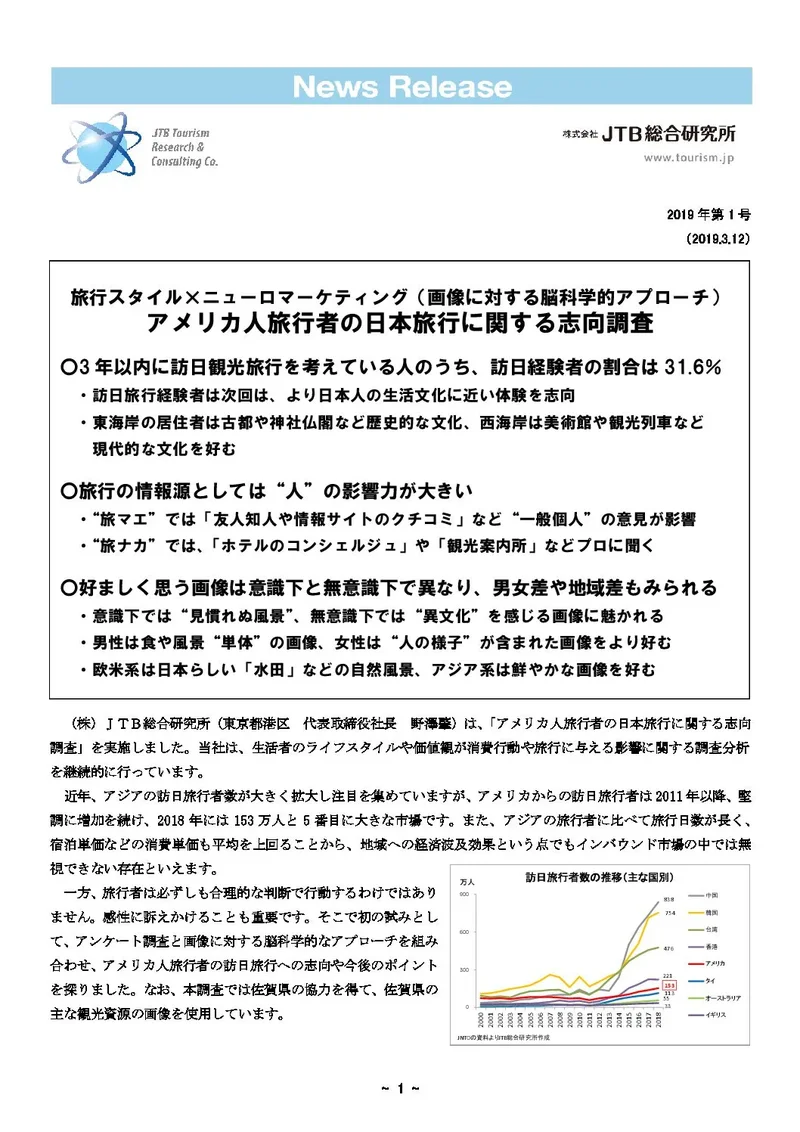
According to a past survey conducted by JTB Tourism Research & Consulting, even when shown images of the same travel destination, men tend to react with “likes” to images of natural scenery, while women tend to react to images showing people having fun. Such examples may also be seen as gender differences in “thinking patterns.”
Why is “nudge” gaining attention? How does it differ from marketing?
So why is “nudge” gaining attention within behavioral economics right now? What is the difference between it and marketing, which guides consumers toward purchasing behavior? Marketing refers to activities aimed at getting people to buy a company’s products or services. In contrast, the key difference between nudge and marketing is that nudge is based on the premise of “promoting the public interest.”
In recent years, interest in a “sustainable society” has been growing worldwide. In 2015, the United Nations adopted the “Sustainable Development Goals (SDGs),” and in early 2019, the Japanese government released the “SDGs Action Plan 2019 (1. Promotion of ‘Society 5.0’ in conjunction with the SDGs; 2.Regional revitalization driven by the SDGs, and the creation of resilient, environmentally friendly, and attractive communities; 3. Empowerment of the next generation and women as key actors in the SDGs). This has led to a renewed focus on the nature of sustainable economies and societies. Now, amid the spread of the novel coronavirus, “public interest” has become indispensable in corporate activities—including products and services—as companies strive more than ever to ensure business continuity (sustainability). This is considered one of the reasons behind the growing interest in “nudging.”
The Underlying Commitment to Social Contribution and Strategies for Achieving Sustainability
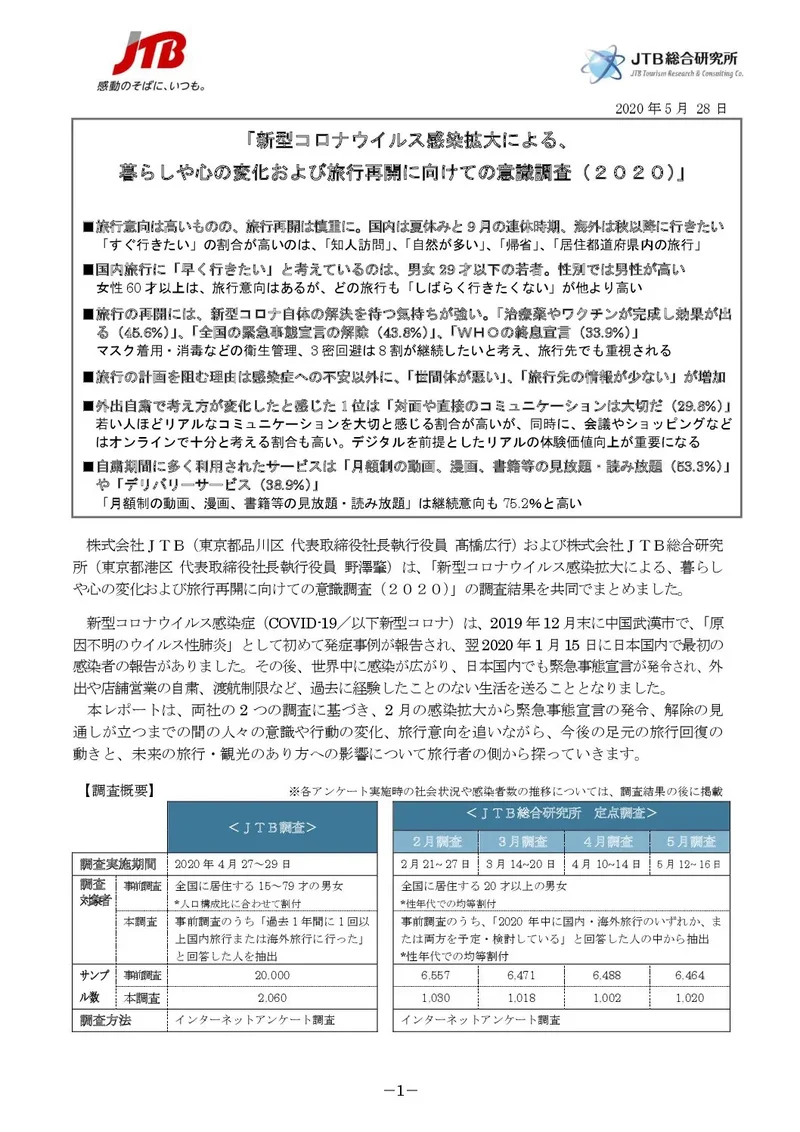
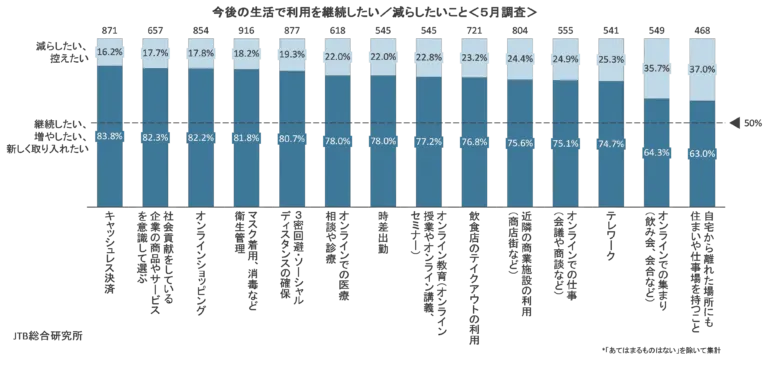
Looking at changes in traveler attitudes based on a survey conducted by JTB, “consciously choosing products and services from companies that contribute to society” ranked second at 82.3% among the top responses for “things I want to continue doing even after the COVID-19 pandemic subsides,” following “cashless payments” (83.3%).In the “new normal” era, the key factor in whether tourism-related companies are chosen by consumers will be how they contribute to society and whether they can effectively communicate this to consumers.
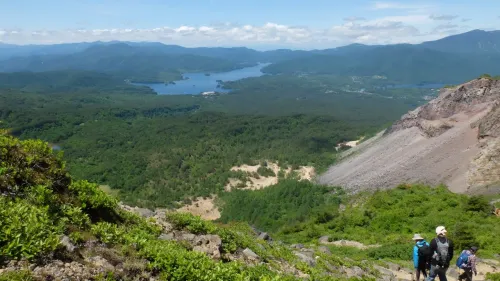
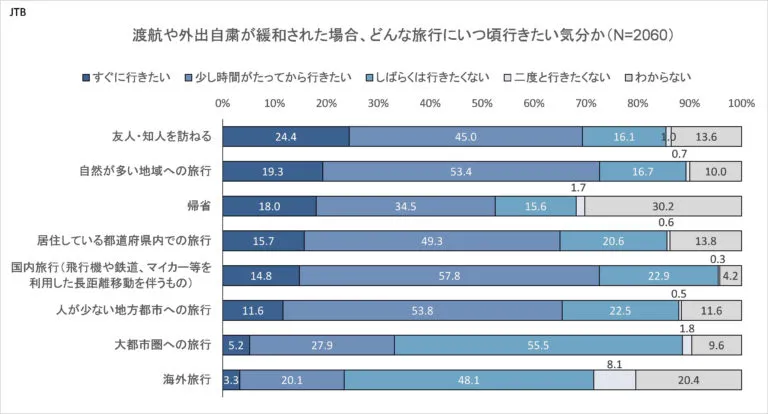
Furthermore, once the spread of COVID-19 subsides and travel and movement restrictions are eased, the most popular type of trip people want to take immediately—after “visiting family and friends”—was “traveling to areas rich in nature.”
At the national level, the “Tourism Vision Realization Program 2019” (formulated in June 2019) identified the utilization of Japan’s natural environment—including improving accommodation facilities in national parks, enhancing nature experience programs, and revitalizing snow resorts—as part of the development of new regional tourism content. In September 2019, the establishment of “condominium-style hotels” within national parks was approved. Considering both infrastructure development and traveler needs, interest in nature-based tourism and outdoor activities is expected to grow further in the future.
In a past survey conducted by JTB Tourism Research & Consulting, a common complaint among visitors to Japan regarding national parks was that “scenery is spoiled by fences and other structures.” To balance visitor satisfaction with nature conservation, measures that leverage “mental habits” may be effective, in addition to physical solutions. For example, signs in restrooms that appeal to people’s goodwill—such as “Thank you for keeping this clean”—are one example. Also, several years ago, when “walking while using a cell phone” became a problem among many people playing Pokémon Go, while many facilities posted “No” signs, I was struck by the following notice I saw at Ise Grand Shrine: “Since ancient times, the shrine grounds have been an area where one cannot capture or kill living creatures. Please do not catch the Pokémon in the forest; please leave them be.”
In the UK, there are examples of reducing littering by designing trash cans to look like voting boxes for quizzes.
In May 2020, the Ministry of the Environment began soliciting proposals for initiatives that utilize “nudges” to continuously realize a new lifestyle. Going forward, the tourism industry is also expected to employ “nudge” strategies—subtle prompts—to encourage voluntary actions toward sustainable tourism, rather than forcing visitors to comply.
著者